Woolworths Implements New Security Gates Amid Rising Retail Theft
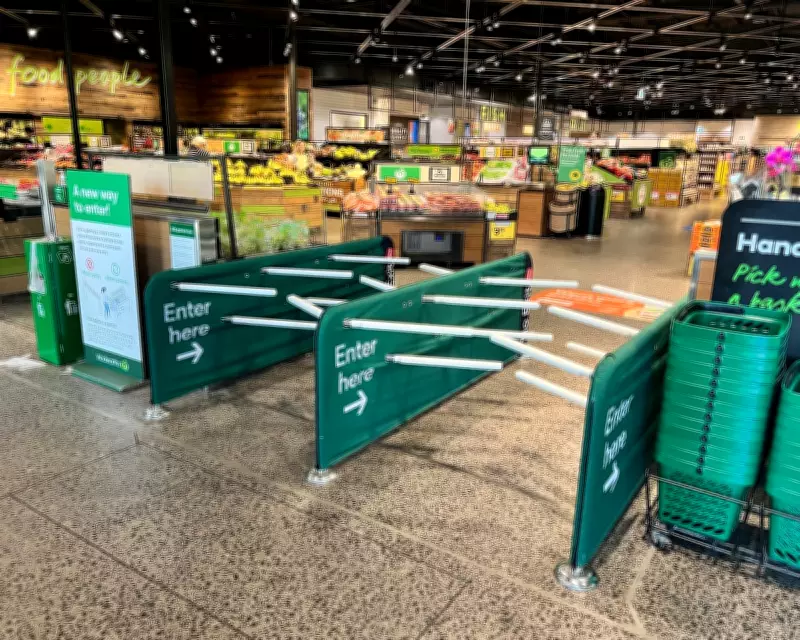
Woolworths, one of Australia's leading supermarket chains, has recently rolled out new security gates at the entrances and exits of several stores across the country. This move is part of a broader strategy to combat escalating retail theft, which has been a significant concern for the business sector. However, the installation has not been without controversy, as customers have voiced a range of concerns regarding privacy, convenience, and potential discriminatory practices.
Customer Reactions and Privacy Worries
Many shoppers have expressed unease about the new gates, which require them to pass through monitored checkpoints. Some customers report feeling like they are under constant surveillance, with fears that their personal data or shopping habits could be tracked without consent. Privacy advocates have highlighted that such systems could lead to increased data collection, raising questions about how Woolworths handles and secures this information. In response, Woolworths has assured that the gates are primarily for theft prevention and do not involve extensive data logging, but skepticism remains among the public.
Convenience and Accessibility Issues
Beyond privacy, there are practical concerns about how the gates affect the shopping experience. Customers with disabilities, parents with prams, and elderly shoppers have reported difficulties navigating the narrow passages, leading to delays and frustration. This has sparked debates about whether the security measures are proportionate to the theft risks, with some arguing that they create unnecessary barriers for law-abiding customers. Woolworths has stated that they are working to address these accessibility issues, but feedback suggests more adjustments may be needed to ensure a smooth experience for all patrons.

Potential for Discrimination and Social Impact
Another critical issue raised is the potential for the gates to exacerbate social inequalities. There are concerns that security personnel might disproportionately target certain groups based on appearance, leading to accusations of profiling. This ties into broader discussions in the retail industry about balancing security with inclusivity. Woolworths has emphasized training for staff to prevent discriminatory practices, but community groups are calling for transparent policies and regular audits to ensure fairness.
Business and Regulatory Context
The decision to install security gates comes at a time when retail theft is on the rise globally, driven by economic pressures and organized crime. Woolworths cites internal data showing significant losses from theft, justifying the investment in enhanced security. However, this move also intersects with business regulations and consumer protection laws. Regulators are monitoring the situation to ensure that Woolworths complies with privacy standards and does not infringe on customer rights. Industry analysts note that other retailers may follow suit if the gates prove effective, potentially setting a new norm in supermarket security.
Looking Ahead: Balancing Security and Customer Trust
As Woolworths continues to implement these security measures, the key challenge will be maintaining customer trust while addressing theft. The company plans to gather more feedback and make iterative improvements to the gate systems. Transparent communication and community engagement will be crucial in mitigating concerns. Ultimately, the success of this initiative may depend on how well Woolworths can balance operational security with a positive shopping environment, setting a precedent for the broader retail sector in Australia and beyond.