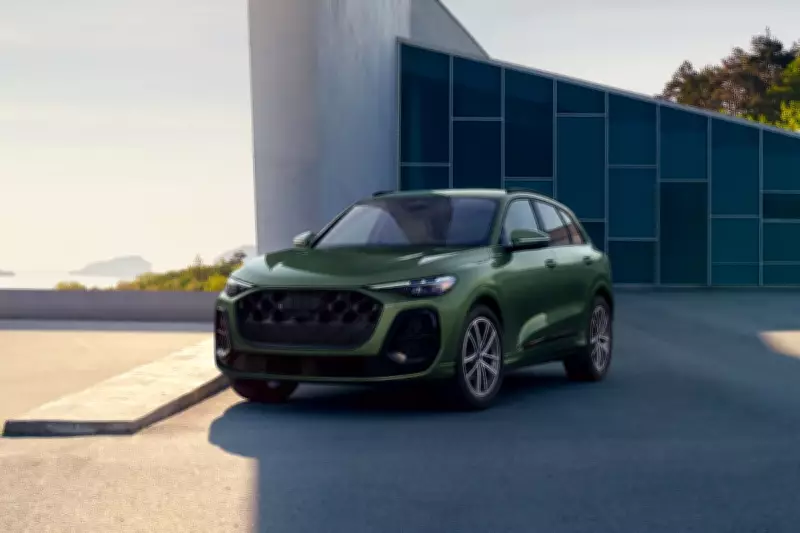
Audi Q5 vs BMW X3: An In-Depth Luxury SUV Comparison
The Audi Q5 and BMW X3 stand out as two of the most sought-after options for buyers in the market for a compact luxury SUV. Each model provides a practical size, an elegant interior, and a relatively accessible entry point into the world of premium-branded sport utility vehicles. Notably, both the Q5 and X3 underwent comprehensive redesigns in the previous year, bringing significant updates to their offerings.
The BMW X3 introduced a radically transformed design, both externally and internally, marking a bold departure from its predecessor. In contrast, the Audi Q5 retained much of its familiar exterior styling, but inside, it placed a renewed emphasis on advanced technology and digital integration. This sets the stage for a compelling rivalry between these two automotive heavyweights.
Performance and Fuel Economy Analysis
While both the X3 and Q5 offer high-performance variants for enthusiasts, this comparison focuses on the more commonly chosen standard engines. Each SUV comes equipped with a turbocharged 2.0-liter four-cylinder engine as standard. The Q5's unit generates a slightly higher output of 268 horsepower, compared to the X3's 255 horsepower. However, in real-world driving scenarios, the acceleration and responsiveness of both vehicles are remarkably similar, providing ample power for highway merging and overtaking maneuvers without hesitation.

When it comes to fuel efficiency, the BMW X3 holds a distinct advantage. According to EPA estimates, the X3 30 xDrive achieves an impressive 29 mpg in combined city and highway driving. The Audi Q5, on the other hand, is rated at 24 mpg combined. This clear difference gives the BMW a significant edge in terms of running costs and environmental footprint.
Advantage: BMW X3Comfort and Interior Space Evaluation
Both the Q5 and X3 deliver a comfortable ride quality, characterized by the typical German precision and firmness. It is worth noting that optional packages, such as the X3's M Sport setup, can enhance handling dynamics but may compromise ride smoothness. For those prioritizing a plush driving experience, the Audi Q5 Prestige trim is highly recommended, as it includes an air suspension system that also allows for adjustable ride height.
In terms of passenger space, the Audi Q5 offers superior rear-seat accommodations. It provides more legroom for back-seat passengers and features a reclining seatback, unlike the fixed design in the BMW X3. This makes the Q5 a more comfortable choice for those frequently transporting rear occupants. Edmunds experts praised both models for their front seats, which offer firm cushioning and extensive adjustability for optimal support.
Cargo capacity is another area where these SUVs compete closely. On paper, the BMW appears to have a slight advantage, but in practical testing by Edmunds editors, both vehicles accommodated similar amounts of luggage behind the rear seats. Additionally, the Q5's 60/40-split rear seat can slide forward to expand cargo space further, albeit at the expense of some rear legroom.
Advantage: Audi Q5Technology and Infotainment Systems
The interiors of both the Audi Q5 and BMW X3 are dominated by large touchscreen infotainment systems. A notable trend in both is the integration of climate controls into the screen interface, which requires more focus and steps to operate compared to traditional physical buttons. Despite this, Edmunds reviewers found both systems to be highly impressive, with similarly sized displays and excellent connectivity features.
Standard equipment includes a wireless phone charging pad, USB-C ports in each row, and seamless wireless integration for Apple CarPlay and Android Auto. Both SUVs also come with built-in navigation systems and digital instrument clusters, enhancing the modern driving experience.
In terms of driver assistance technologies, Audi and BMW offer comparable standard features, such as forward collision warning, automatic emergency braking, lane keeping assistance, and blind-spot monitoring. The Q5 includes adaptive cruise control as standard, which is an optional extra on the X3. However, the BMW offers a hands-free highway driving assistance function designed for traffic congestion, operable at speeds up to 40 mph—a feature not currently available on the Audi Q5.

Value and Pricing Considerations
The BMW X3 has a lower starting price at $52,650, including destination fees, compared to the Audi Q5's base price of $54,095. However, the Q5 comes with several features as standard that are optional or extra-cost items on the BMW. These include all-wheel drive, a panoramic sunroof, leather upholstery, adaptive cruise control, and a smartphone-as-key function.
While the Q5 can become more expensive than the X3 when fully loaded with options, and its styling may be less evocative for some buyers, the overall value proposition slightly favors the BMW. Edmunds experts conclude that the X3 offers a bit more for your money, making it a compelling choice for budget-conscious luxury SUV shoppers.
Advantage: BMW X3Edmunds' Final Verdict
This comparison reveals an incredibly close contest between the Audi Q5 and BMW X3, reflected in their nearly identical overall Edmunds Rating scores. The X3 ultimately achieves a slightly higher score, but the Q5 is recommended for buyers who prioritize comfort and rear-seat accommodations. Both SUVs excel in their own right, offering distinct strengths that cater to different preferences within the luxury segment.
This analysis was provided to The Associated Press by the automotive website Edmunds, with contributions from expert James Riswick.