

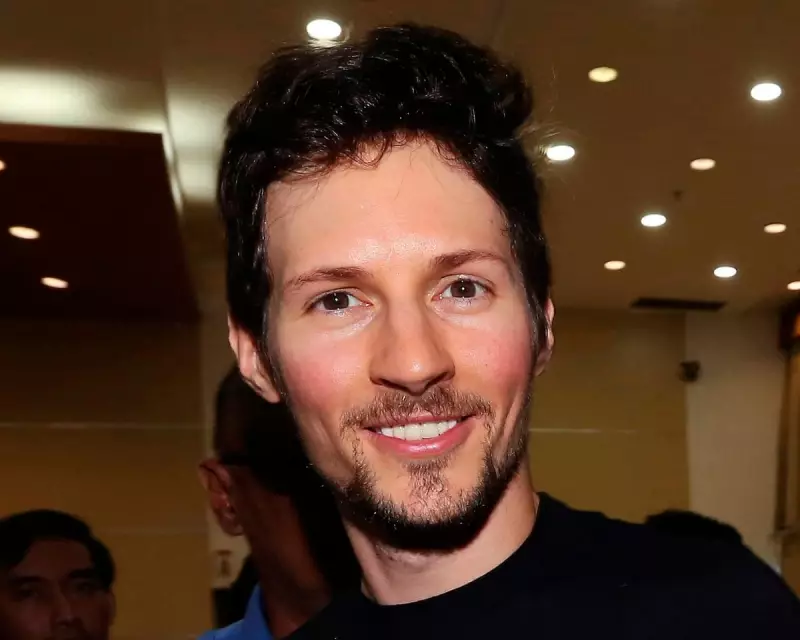
A new biography promises to lift the veil on one of the tech world's most enigmatic and influential figures: Pavel Durov, the Russian-born co-founder of the Telegram messaging app. The book, titled The Populist by independent writer Nikolay Kononov, charts Durov's journey from a schoolboy prodigy in St Petersburg to the leader of a platform used by over a billion people, all while amassing a multibillion-dollar fortune and clashing with authorities from Moscow to Paris.
The Making of a Digital Populist
Kononov's work, described as the culmination of a 14-year effort, draws on interviews with Durov himself, his colleagues, rivals, and critics. The author labels Durov as "one of the first digital populists," a founder who programmed his products—first the Russian social network VKontakte and later Telegram—with the ability to communicate his libertarian worldview directly to every user, bypassing traditional media and institutions.
This strategy has been central to promoting Telegram's brand of near-absolute free speech, a feature that has made it a vital tool for dissidents but also a haven for extremists, scammers, and propagandists. Yet, Kononov reveals a stark contradiction in Durov's approach. While his public persona champions freedom, his management style is intensely centralised. "He is essentially the only one making all the product decisions at Telegram," Kononov states, characterising the company's operations as a "one-man show."

Clashes with Power and a Shifting Worldview
The biography provides new details on Durov's fraught relationship with power. It recounts a previously private 2014 meeting with President Vladimir Putin, where the Russian leader reportedly reprimanded Durov over illegal content on VKontakte and suggested he leave the country. Durov subsequently sold his stake, left Russia, and eventually settled in Dubai to build Telegram.
However, Kononov suggests a more recent event left a deeper mark: Durov's detention in France in August last year. Held for three days in a harshly lit cell as part of an investigation into crimes linked to Telegram, including child abuse imagery and fraud, the experience profoundly rattled the tech mogul. Kononov notes this ordeal appears to have sharpened Durov's hostility towards the West, with the founder now framing Europe as sliding toward "total digital control" and increasingly embracing conspiratorial rhetoric online.
The Unchanging Visionary
What emerges from the biography is a portrait of a man whose core ultra-libertarian, anti-institutional beliefs have remained fixed. Kononov expresses surprise that Durov "hasn't changed or evolved" over the years of their acquaintance. The author places Durov within a new wave of tech moguls, like Elon Musk and Peter Thiel, who combine technological ambition with a grand personal mythology and suspicion of government.
This extends to Durov's personal habits: a teetotaler who dispenses spartan health advice, has an interest in longevity science, and has claimed to have fathered dozens of children via sperm donation. Kononov is adamant, however, that Durov's views should not be mistaken for formal political allegiance. He specifically addresses and dismisses the persistent claim that Durov is a covert agent for Russian security services, stating he found no evidence of such collaboration.
Ultimately, Kononov argues Durov has learned to compromise with both Russian and Western authorities when it serves Telegram's survival, guided by a starkly self-serving mindset. This very mindset, the author reveals, led to the end of their personal relationship after Kononov questioned the contradiction between Durov's authoritarian management and his love of free speech. Durov, realizing the biography would not be to his liking, simply stopped responding.






