Globetrotter With Unmatched Experience Declares British Island World's Best
A seasoned traveller who has accomplished the remarkable feat of visiting every single country on Earth has now revealed his ultimate island destination after exploring more than 400 islands across the globe. Henrik Jeppesen, a 37-year-old from Denmark, has dedicated years to crossing off over 2,000 locations from his extensive bucket list, giving him unparalleled authority when it comes to ranking the world's most spectacular places.
The Crown Jewel: South Georgia Island
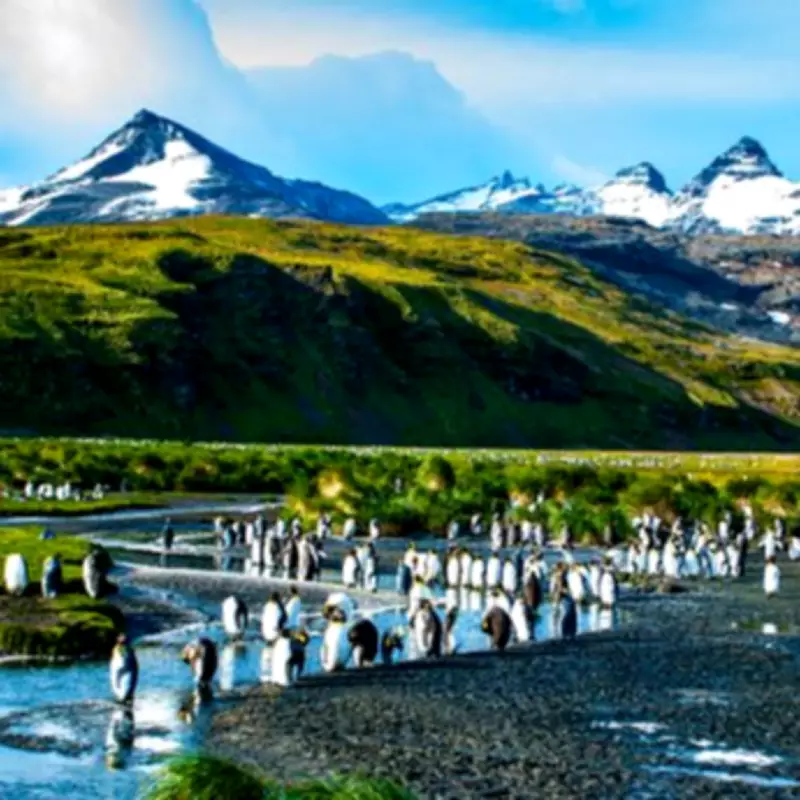
Among all his travels, one destination stands out as truly exceptional. South Georgia Island, a British Overseas Territory located deep in the South Atlantic Ocean within the sub-Antarctic region, has earned the title of "best island in the world" from this well-travelled expert. Jeppesen describes it as feeling like "one of the last truly wild places on Earth," where nature operates entirely on its own terms.
The island's dramatic landscape features towering snow-capped peaks, enormous glaciers, and profound fjords that create a breathtaking backdrop for what Jeppesen calls a "sensory experience that's both humbling and unforgettable." Its nickname, the 'Serengeti of the Southern Ocean,' comes from the incredible abundance of wildlife that calls this remote territory home.

A Wildlife Spectacle Unlike Any Other
South Georgia Island hosts an astonishing array of sub-Antarctic fauna that creates a living spectacle on a monumental scale. The island is home to:
- More than seven million penguins across various species
- Over 65,000 seals inhabiting its shores
- As many as 30 million nesting birds creating a constant avian presence
Jeppesen particularly highlights the enormous penguin colonies, among the largest in the world, where hundreds of thousands of birds gather on black-sand beaches beneath the dramatic mountain and glacier scenery. This natural abundance has attracted attention from renowned naturalists, including Sir David Attenborough, who has visited the isolated island on multiple occasions for documentary projects.
The Challenge of Reaching This Remote Paradise
Getting to South Georgia Island represents a significant logistical challenge that requires careful planning well in advance. As Jeppesen explains, "Getting there isn't easy. There are no flights. The only real way to visit is by expedition cruise, usually departing from South America."
The traveller undertook a three-week voyage through some of the most remote seas on Earth to reach this destination, noting that even with substantial investment in an expedition cruise, landings at such remote destinations are never guaranteed due to weather conditions and other factors. During his same trip, planned landings at Tristan da Cunha, another famously remote island, had to be cancelled entirely due to unsuitable conditions.
Despite these challenges, Jeppesen insists that experiencing South Georgia Island alone makes the arduous journey more than worthwhile for those seeking truly authentic wilderness encounters.
Environmental Concerns and Conservation Significance
While celebrating the island's extraordinary beauty, experts have also highlighted the environmental pressures facing this unique ecosystem. Sir David Attenborough has observed that South Georgia represents "a global rarity - an ecosystem in recovery," but one that faces significant threats from climate change.
Scientific measurements reveal that air temperatures in the region have risen by 2.5°C over the past 70 years, making the Antarctic one of the fastest-warming regions on the planet. This warming has caused noticeable glacial retreat on South Georgia Island, with some glaciers shrinking by as much as 500 metres since Attenborough's first visit in 1981.
Professor Dame Jane Francis, Director of the British Antarctic Survey, has emphasised the island's significance as a conservation showcase, noting that "South Georgia shows us how much better our planet can be if we learn to live in balance with nature." The stunning wildlife and pristine landscapes serve as a powerful reminder of what can be preserved through careful environmental stewardship.

What Makes an Island Truly Exceptional?
After visiting hundreds of islands worldwide, Jeppesen has developed a clear perspective on what separates truly remarkable destinations from merely beautiful ones. He notes that the finest islands "aren't about luxury or popularity, but defined by impact - how profoundly they stay with you long after the journey ends."
South Georgia Island exemplifies this principle through its ability to create lasting memories and emotional connections with visitors. As Jeppesen reflects, the island "reminds you that nature still rules the wild world" in an era when truly untouched wilderness becomes increasingly rare.
Other Notable Island Destinations
While South Georgia Island tops his list, Jeppesen has identified several other exceptional island destinations during his global travels:
- New Zealand's South Island - Praised for its "blend of epic scenery with safety and warmth," combining breathtaking natural landscapes with welcoming communities, excellent food, and consistently high safety rankings that create a rare travel experience.
- Suðuroy - Valued for its tranquillity and authenticity, offering visitors a genuine sense of place away from tourist crowds.
- Greenland - Appreciated for its "culture, scale, and deep personality" that creates a distinctive Arctic experience.
- Easter Island - Recognised for how "isolation, history and beauty combine into something unforgettable" through its mysterious moai statues and remote Pacific location.
Each of these destinations offers something unique, but according to this extensively travelled expert, none quite matches the raw, overwhelming impact of South Georgia Island - a British territory that represents one of the last truly wild places accessible to intrepid travellers willing to undertake the challenging journey to experience its wonders firsthand.