Abu Dhabi's Major Attractions Maintain Normal Operations Despite Regional Tensions
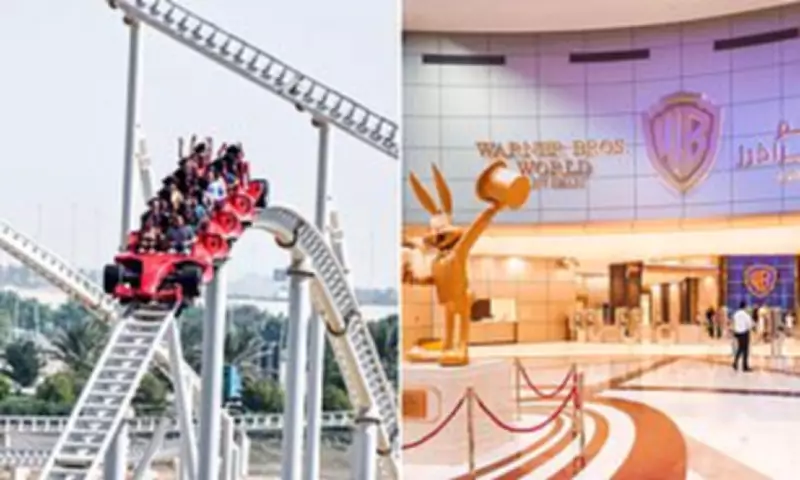
While similar entertainment venues in neighboring Dubai have temporarily closed their doors, Abu Dhabi's premier tourist destinations continue welcoming visitors amid the ongoing Middle East conflict. Three major theme parks—Warner Bros. World, SeaWorld, and Ferrari World—are all operating this week with their signature high-speed thrill rides and rollercoasters functioning largely as normal, albeit with significantly reduced crowds compared to typical visitor numbers.
Cultural Institutions Follow Suit with Regular Schedules
The city's most prominent cultural institution, Louvre Abu Dhabi, has also maintained its standard opening hours. Located on Saadiyat Island and serving as a sister museum to the original Paris institution, the gallery continues offering its usual exhibitions and programming to visitors who venture to the capital of the United Arab Emirates.
British tourist Beth Middleton, who visited the massive 153,000-square-meter Warner Bros. World indoor attraction yesterday, reported the facility was nearly empty. The park recently announced plans to construct the world's largest Harry Potter-themed land, but current operations continue despite regional security concerns.

Visitor Experiences Reflect Unusual Quiet Atmosphere
Posting on the Abu Dhabi Expats Facebook group today, Middleton responded to inquiries about whether the city's theme parks remained operational, writing: 'Yes they are open 10-5 and very quiet! I was at Warner Bros yesterday and had a great day.'
Another expatriate resident, Joanne Mcmullan, described similar conditions at the motor-racing themed Ferrari World, noting: 'I just walked past Ferrari and people are riding the rollercoasters.' The park's official website confirms operating hours of 10am to 5pm until March 19th, when extended evening hours until 8pm will commence.
Dubai's Contrasting Approach to Attraction Closures
The situation presents a stark contrast to neighboring Dubai, where numerous major attractions in the UAE's most popular tourist destination remain temporarily closed. Wild Wadi Waterpark has announced closure until Friday, March 6th, advising potential visitors to consult its official website before planning trips.
Dubai Global Village, an expansive outdoor celebration featuring 3,500 shops representing world cultures, hasn't opened since Saturday. Legoland Dubai has similarly closed until Friday, citing 'precautionary measures following official guidance' as the reason for its temporary shutdown.
Regional Conflict Background and Travel Disruptions
The current situation follows coordinated attacks launched by the United States and Israel against Iran on March 1st, which resulted in the death of Iran's supreme leader. Iran has responded with missile strikes targeting Israel and US-allied Gulf states including the United Arab Emirates, Qatar, Bahrain, Jordan, and Kuwait, creating widespread regional instability.
British tourist Hollie Hill from Lincoln described how her family's dream holiday in Abu Dhabi was disrupted when Iranian missiles began firing on Saturday. She told BBC Radio Humberside that her family—including her husband, three children, mother, and mother-in-law—had been 'having the time of our lives' until the conflict escalated, with loud bangs creating 'absolutely terrifying' experiences and mobile phone alerts warning of missile threats in Abu Dhabi.
Aviation Industry Grapples with Widespread Disruptions
The regional conflict has created significant travel chaos across the Middle East, leaving many British travelers both at home and stranded in the region uncertain about flight resumptions. While some airlines including British Airways have begun operating flights from locations like Oman, aviation analytics firm Cirium anticipates cancellations will continue for at least another week, with specific impacts varying by country and airline.
Many carriers have reportedly ruled out scheduled flights until at least Thursday, according to Guardian reports. The Trip Group, a travel risk management community, indicates Syrian airspace will remain closed until at least March 8th, while Iraq has extended its nationwide airspace closure until March 7th.

Gulf states including the UAE, Saudi Arabia, Qatar, and Kuwait have implemented partial or complete airspace closures. Aviation expert Anton Radchenko, founder of AirAdvisor, told the Daily Mail: 'If there's no further escalation, I would expect a meaningful ramp-up over the next several days on key Gulf routes.'
Radchenko cautioned that 'a full return to normal like reliable daily frequencies, minimal rerouting, normal connection banks through major hubs, typically takes longer because airlines need to reposition aircraft and crews, clear backlogs, and rebuild missed rotations.' He further noted that 'even after the first flights restart, disruption can echo globally for a week as networks re-balance.'