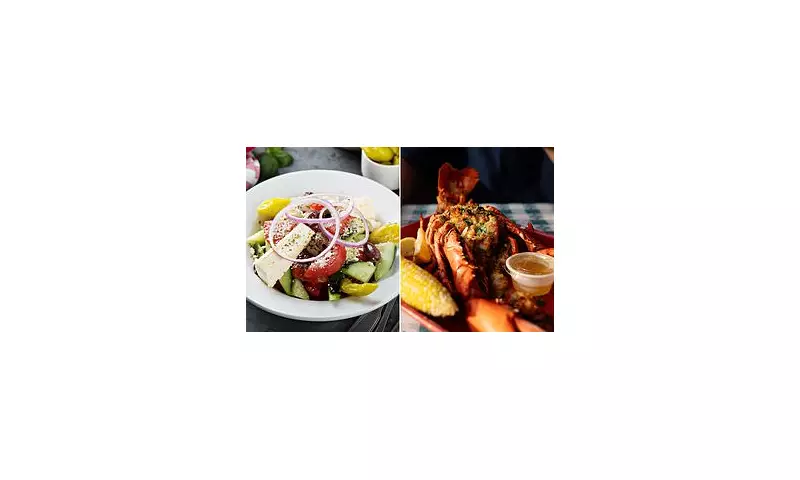
The prestigious travel publication Condé Nast Traveller has ignited a fiery debate among gastronomy enthusiasts with its recently released 'Best Places to Go' guide for 2026. The list, which highlights ten global cities deemed the ultimate destinations for culinary exploration, has faced significant backlash, primarily due to its unexpected number one pick.
The Controversial Culinary Ranking
Last week, Condé Nast Traveller unveiled its selection of the ten best food destinations for 2026. Topping the list was Boston, Massachusetts, a choice that left many readers scratching their heads. The publication praised Boston for its 'global flavours, waterfront dining, and more neighbourhood action than ever,' citing its famous seafood like lobster rolls and clam chowder, alongside a burgeoning and innovative restaurant scene.
The full ranking placed Crete, Greece, in second, followed by Fès in Morocco, Hong Kong, and Medellín in Colombia. Rounding out the top ten were Minas Gerais in Brazil, Parramatta in Australia, Patan in Nepal, Prince Edward County in Canada, and Seville in Spain. Notably absent were perennial favourites like New York City and London, which failed to make the cut this year.

A Storm of Social Media Discontent
The reaction from food fans was swift and largely critical, with many taking to social media platform X to voice their disbelief. The decision to crown Boston as the world's premier food destination proved particularly contentious, even among its own residents.
'Boston is in fact underrated, but as a Bostonian, that's complete bulls**t,' one user stated bluntly. Another agreed, commenting, 'Boston isn’t even top 10 in America.' The criticism extended beyond US borders, with one person joking, 'Boston number one? Guess the judges got lost in a nor'easter and mistook chowder for haute cuisine. Italy's pasta is rolling in its grave!'
Other comments questioned the list's credibility entirely. 'Who in the world is doing these reports? Boston? Really? Not even San Francisco, New York City, Houston, etc,' lamented another user. Some pointed to omissions, with one person stating, 'Not having India in the list surely raises concerns about your taste buds... get them tested.' A more conspiratorial view came from a user who suggested, 'I think that a Bostonian must have hacked this list as a joke.'
Context and Precedent
This year's controversial list marks a significant shift from the previous year's rankings. In 2025, Condé Nast Traveller's number one food destination was Clare Valley in Australia, followed by Dubai in the United Arab Emirates and Genoa, Italy. The dramatic change in focus, moving away from established gastronomic capitals to highlight what it sees as emerging or underrated scenes, appears to be at the heart of the current controversy.
While the publication stands by its selection, emphasising Boston's evolution into a diverse foodie hub, the court of public opinion has delivered a very different verdict. The debate underscores the highly subjective nature of culinary excellence and what makes a destination truly worthy of a dedicated food pilgrimage.