Canadian tourists are increasingly boycotting ski slopes and border communities across the United States, with new data revealing a sustained twelve-month decline in visits throughout 2025. This significant downturn is widely attributed to growing political friction and economic pressures between the two nations.
A Political Chill on the Slopes
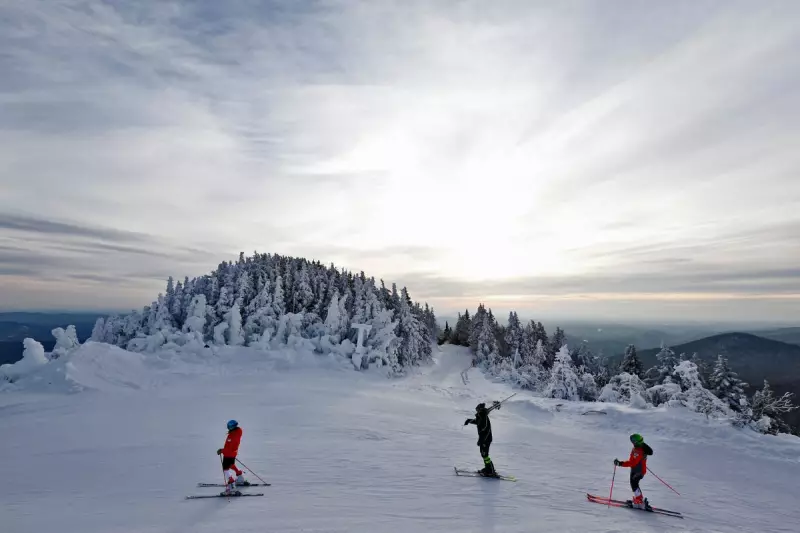
Major ski resorts in Vermont are reporting a sharp drop in Canadian visitors this season, a trend industry leaders directly link to the contentious rhetoric from the Trump administration. Steve Wright, President and General Manager of Jay Peak Resort, informed members of Congress that his team anticipated substantial declines after noticing fewer Canadian households were renewing their season passes.
"After I called nearly 100 Canadian households... they cite the present administration’s flagrant disrespect of Canadian independence as not only a challenge to Canadian sovereignty but to their own identity and they feel the need to respond," Wright stated. By December, bookings from Canadian nationals had fallen by an estimated 10 to 15 percent.

Widespread Anger and Social Pressure
The sentiment extends beyond Vermont. Josh Reed, Communications Manager at Killington Resorts, noted a palpable sense of anger among Canadians towards the United States. He revealed that some visitors from Canada have even faced social ostracisation from friends for choosing to vacation south of the border.
This boycott is not confined to winter sports destinations. Border towns in states like Montana, which traditionally rely on a high volume of Canadian tourism, have experienced a severe slump over the past year.
Border Towns Feel the Economic Freeze
Kalispell, Montana, a popular destination located roughly fifty miles from the border, saw tourism dip so dramatically during the summer that local authorities launched a special Kalispell Canadian Welcome Pass initiative. This programme offered discounts on shopping and dining in a bid to attract visitors back.
"It's disappointing and sad," said Diane Medler, Executive Director of Discover Kalispell, discussing the downturn with CBC News. She estimated a staggering 39 percent decline in Canadian credit card spending within the region.
The impact is felt acutely by small businesses. Elizabeth Guerin, owner of Fiddleheads store in Colebrook, New Hampshire—just eight miles from the border—told Congress she could "count the number of Canadian visitors on one hand," a drastic change from the typical 15 to 25 percent share they represented. "I’m just trying to plug along and keep my nose above the waterline," Guerin added.
A Twelve-Month Downward Trend
The economic strain on these communities reflects a broader national pattern. Overall trips by Canadians to the United States fell by at least 30 percent in December 2025 compared to the same month in 2024. This marked the twelfth consecutive month of year-on-year declines, a trend that began after President Trump took office and repeatedly taunted Canada with suggestions of making it the "51st state" and threatened imposing steep tariffs.
Additional Factors Influencing the Slowdown
While political tensions are a primary driver, analysts point to other contributing factors:
- Economic Cost: The weakening Canadian dollar has made travelling to and spending in the United States more expensive for tourists.
- Environmental Conditions: Some western ski resorts are concurrently facing a challenging winter with poorer snow conditions than usual, which may also be deterring visitors.
The confluence of political discord, economic pressures, and environmental factors presents a complex challenge for US tourism businesses that have long depended on their northern neighbours.