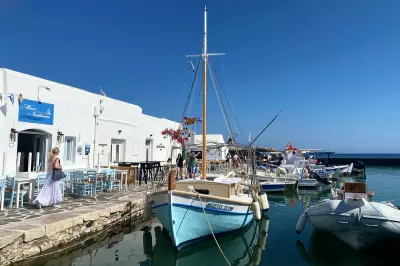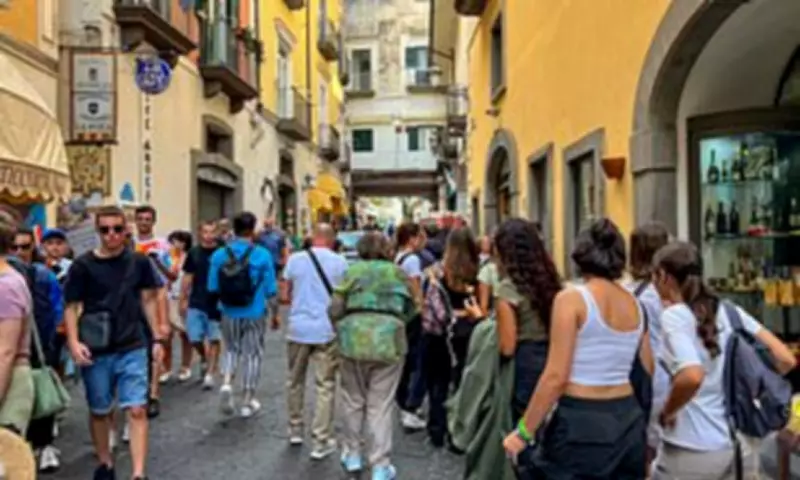
The picturesque Italian island of Capri, renowned for its sun-drenched shores, breathtaking coastal vistas, and natural splendour, attracts throngs of tourists annually. However, the upcoming summer season promises a markedly different experience for many holidaymakers, as local authorities implement stringent measures to curb overtourism and enhance the island's ambiance.
New Regulations Target Intrusive Solicitation
Traditionally, visitors to Capri have been greeted by a common scene: restaurant workers eagerly proffering menus and special deals on the streets, while tour operators aggressively peddle tickets for excursions. This practice, however, has now been officially banned under a newly updated ordinance. The regulation explicitly prohibits commercial operators, tourist service agencies, and their employees from engaging in customer procurement activities through intrusive and insistent methods on public land or areas used by the public.
According to reports from Euro News, the ordinance aims to manage the tourist experience more effectively, preventing visitors from being repeatedly approached. This includes a ban on distributing brochures, leaflets, and maps on public roads to promote services. Capri's mayor, Paolo Falco, highlighted the detrimental impact such behaviours have had on the island's perception, noting that tourists often face multiple solicitations from the moment they disembark.

Fines and Further Measures to Preserve Island Charm
Businesses found violating these new rules face substantial penalties, with fines ranging from €25 (approximately £21.80) to €500 (around £435.70). Mayor Falco emphasised that businesses must promote their services with the grace and elegance befitting Capri, rather than through aggressive street tactics. This crackdown is part of a broader strategy to address the challenges posed by overtourism, which sees up to 50,000 daily visitors during the peak summer months.
Additional measures have been introduced to manage the influx, including a ban on loudspeakers and tour guides using umbrellas for identification. Guides with groups exceeding 20 people are now required to use wireless earpieces instead of amplifying devices. Furthermore, tour groups have been limited to 40 people to alleviate congestion on the island's chic beaches and in its often fully-booked restaurants. Falco remarked to The Times that large groups resemble herds of sheep, detracting from the island's beauty, stating, We need to save beauty, we don’t have any other choice.
Broader Context of Overtourism in Italy
The influx of tourists in Capri has led to significant queues and chaos at popular sites, such as the Gardens of Augustus, prompting considerations for further regulatory measures. Collaboration with other Italian towns and regions is underway to develop cohesive strategies. Capri is not alone in grappling with the pressures of mass tourism; other Italian destinations have implemented similar controls.
For instance, the mountain hamlet of Funes in South Tyrol installed barriers from mid-May to November to reduce selfie-hunting visitors after locals expressed frustration over littering, trespassing, and traffic jams. Only tourists with hotel bookings are permitted access during this period. Similarly, Rome has introduced a fee for entry to the Trevi Fountain, with separate entrances for locals and tourists, the latter required to purchase a €2 (about £1.74) ticket since January.
These collective efforts underscore a growing trend across Italy to balance tourism's economic benefits with the preservation of local culture, environment, and quality of life for residents. As Capri enforces its new regulations, visitors can anticipate a more serene and respectful atmosphere, allowing them to fully immerse in the island's legendary charm without the constant interruption of street solicitation.