Reform UK Unveils Plan to Deport 400,000 Migrants with £1,000 Payouts
Reform UK's Plan to Deport 400,000 Migrants with £1,000 Payouts

Reform UK Proposes Mass Deportation Plan with Financial Incentives

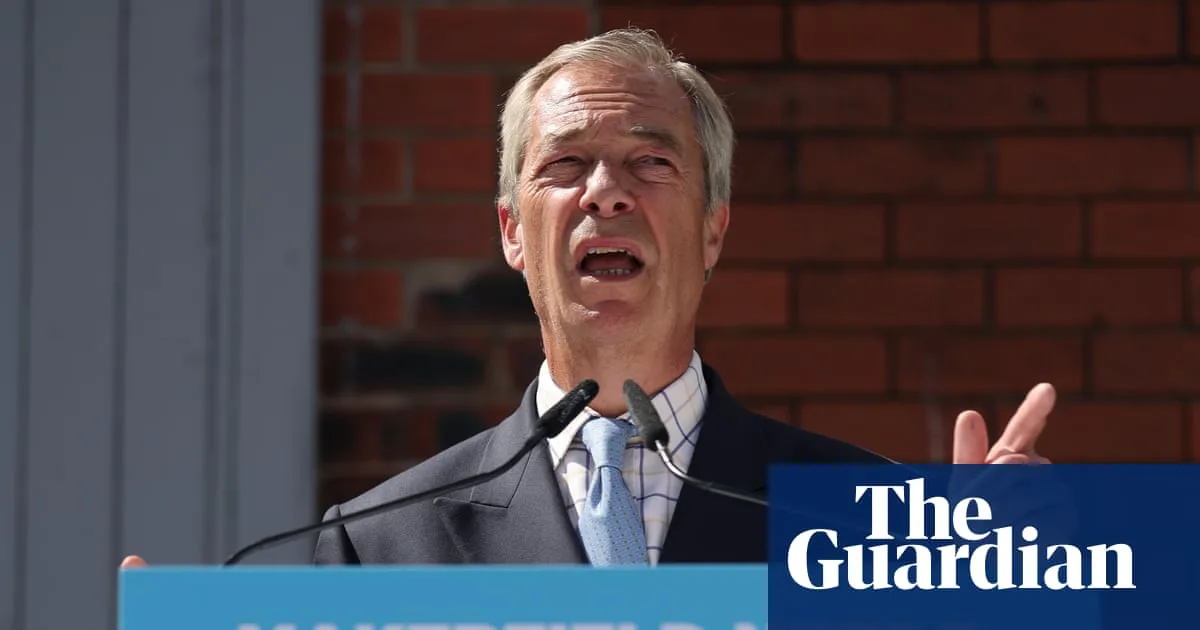
Nigel Farage has today revealed Reform UK's controversial strategy to potentially deport up to 400,000 migrants if the party secures power in the 2029 election. The plan includes offering individuals up to £1,000 to voluntarily leave Britain, a move estimated to cost taxpayers approximately £400 million, excluding flight expenses. However, Reform claims the initiative would yield savings of £14.3 billion over the next parliamentary term by reducing long-term costs associated with migration.

Comprehensive Asylum Review and Deportation Framework

During a press conference alongside Zia Yusuf, Farage outlined that Reform would conduct a thorough review of all successful asylum claims processed over the previous five years. This review would target individuals who entered the UK illegally via small boats or other means, overstayed their visas and subsequently claimed asylum, or originated from countries now classified as safe. Those deemed ineligible would have their asylum status revoked and face deportation.

The proposed UK Deportation Command would oversee removals, with migrants given a brief period to depart voluntarily before enforcement actions commence. Farage emphasised that the plan draws inspiration from both Barack Obama's and Donald Trump's migration policies, aiming for a balanced yet firm approach. He also hinted at preliminary discussions with the Taliban regime to facilitate returns to Afghanistan, though details remain unspecified.

Wide Pickt banner — collaborative shopping lists app for Telegram, phone mockup with grocery list

Political and Legal Hurdles Ahead

Farage cautioned that implementing this agenda would first require overturning the Human Rights Act, necessitating a stable majority in the Commons. A recent superpoll by More in Common suggests Reform might fall short by a single seat, potentially forcing reliance on Conservative or other support to advance legislation. This political uncertainty adds complexity to the proposal's feasibility.

The announcement follows a significant surge in Channel crossings, with 602 people arriving on small boats this past Saturday—the second busiest day of 2026—bringing the yearly total to over 6,000 arrivals. This context underscores the urgency Reform attributes to its deportation strategy.

Opposition and Criticism from Rival Parties

Shadow Home Secretary Chris Philp responded by asserting that a Conservative government would deport illegal migrants within a week of arrival, citing an existing borders plan to withdraw from the European Convention on Human Rights and ban asylum claims by illegal immigrants. Philp criticised Reform's proposal as lacking the detailed framework needed for effective implementation, despite acknowledging similarities with Conservative ideas.

Liberal Democrat immigration spokesman Will Forster condemned the plan as "hostile, headline-grabbing" and ineffective in addressing the asylum system's failures. He argued that reviewing five years of asylum grants would exacerbate existing backlogs, advocating instead for Nightingale processing centres to clear cases within six months, allowing legitimate claimants to integrate and others to be swiftly returned.

As the debate intensifies, Reform's deportation scheme highlights deepening divisions over immigration policy in the UK, with economic, legal, and humanitarian implications at the forefront of political discourse.

Pickt after-article banner — collaborative shopping lists app with family illustration