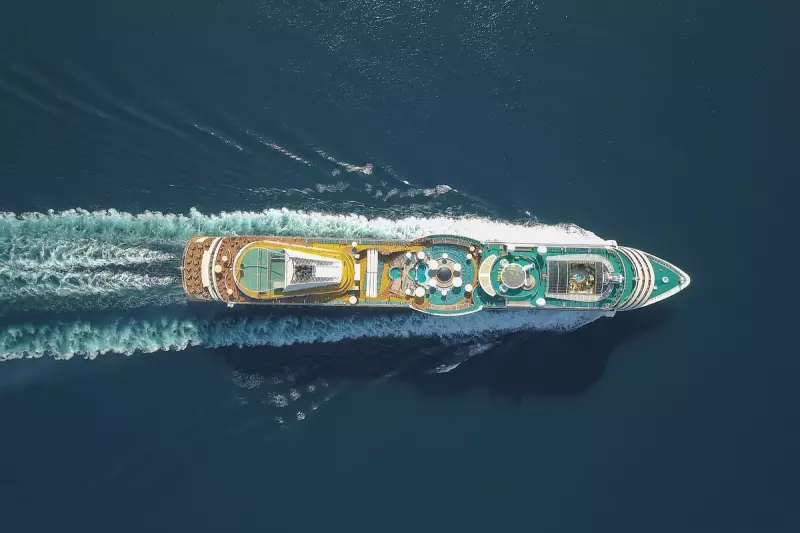
Cruise holidays represent the quintessential summer getaway for many British travellers, offering luxurious amenities and exotic destinations. However, these floating resorts, accommodating hundreds or even thousands of passengers in relatively confined spaces, can unfortunately become breeding grounds for infectious germs and viruses.
The Gastrointestinal Threat on Modern Cruises
Particularly notorious among cruise ship health concerns are outbreaks of gastroenteritis, commonly referred to as gastro. A comprehensive Australian study examining nearly two thousand cruise arrivals in Sydney revealed that approximately five percent of vessels reported experiencing gastro outbreaks during their voyages. This statistic highlights the importance of proactive health measures for anyone planning a maritime holiday.
Understanding Norovirus: The Primary Culprit
Viruses stand as the leading cause of acute gastroenteritis cases, with norovirus emerging as the predominant offender. This resilient pathogen accounts for an estimated 2.2 million gastro infections annually. The virus typically spreads through the faecal-oral transmission route, where microscopic particles from an infected person's stool inadvertently get ingested by another individual.

Remarkably, norovirus demonstrates considerable hardiness, surviving acidic gut conditions and moderate temperatures encountered during routine laundry or food reheating processes. Many conventional cleaning agents and alcohol-based hand sanitisers prove ineffective against this persistent virus, making proper hygiene practices absolutely crucial.
Cruise Ship Outbreak Protocols and Statistics
Maritime health authorities generally declare an official "gastro outbreak" when gastrointestinal illness affects between two and three percent of passengers or crew members. On a typical vessel carrying two thousand travellers, this threshold translates to forty to sixty individuals reporting symptoms. The previously mentioned Australian research, covering cruise arrivals between 2007 and 2016, identified ninety-eight reported outbreaks from 1,967 ships, with norovirus responsible for ninety-three percent of cases where the cause was determined.
Transmission Pathways in Confined Maritime Environments
Norovirus presents particular challenges on cruise ships due to its ability to spread before symptoms manifest and after they subside, meaning infected individuals might board vessels completely unaware of their condition. The primary transmission occurs through direct person-to-person contact, exacerbated by the social nature of cruise activities that encourage mixing in enclosed spaces.
Traditional handshakes, while socially customary, represent potentially unsanitary greetings. Recent scientific investigations suggest promoting alternative greetings like the "fist-bump" or a modified "cruise-tap" involving only knuckle contact to reduce germ transmission.
Surface Contamination Risks
Secondary transmission occurs through contact with contaminated surfaces. Infected individuals who neglect proper handwashing after toilet use can deposit invisible norovirus particles onto handrails, elevator buttons, buffet utensils, and other frequently touched surfaces. Subsequent contact by other passengers, followed by hand-to-mouth transfer, completes the infection cycle.
While airborne transmission remains uncommon, it can occur when infected individuals vomit nearby. Although cruise operators maintain stringent food handling protocols to prevent norovirus contamination, occasional foodborne transmission incidents still occur despite these precautions.
Practical Prevention Strategies for Cruise Travellers
While eliminating all infection risk proves impossible, implementing these six practical measures can significantly minimise your chances of contracting norovirus during your maritime holiday:

- Thorough and Frequent Handwashing: Wash hands meticulously with soap and water, especially before eating or handling food.
- Supplement, Don't Replace: Use hand sanitisers as supplementary protection only, never as substitutes for proper handwashing.
- Avoid Sharing: Refrain from sharing food, beverages, or eating utensils with fellow passengers.
- Minimise Hand-to-Food Contact: Use serving utensils rather than hands when selecting buffet items.
- Reduce Surface Contact: Limit unnecessary touching of communal surfaces like railings and door handles.
- Maintain Distance: Immediately vacate areas where someone has vomited to avoid potential airborne transmission.
Responsible Behaviour If Symptoms Develop
Should gastrointestinal symptoms emerge during your cruise, promptly notify medical personnel and strictly follow their instructions. You may be requested to remain in your cabin temporarily to prevent spreading infection to others – the same precaution you would want fellow passengers to take if roles were reversed.
Early reporting enables crew members to initiate enhanced cleaning protocols and implement additional preventive measures to contain potential outbreaks. Medical staff can also provide appropriate medications and arrange for suitable food delivery to your accommodation during isolation periods.
Ultimately, comprehensive and regular handwashing with soap and water represents your most effective defence against cruise ship gastrointestinal illnesses. By combining this fundamental practice with the additional precautions outlined above, you can dramatically improve your chances of enjoying a healthy, gastro-free holiday experience at sea.