Italy's allure is timeless, woven from ancient architecture, stunning landscapes, and culinary delights. Yet beyond the well-trodden paths lies a destination that is as haunting as it is beautiful: the ancient Roman city of Herculaneum. Frozen in a moment of catastrophic history, it offers a uniquely intimate and mind-blowing glimpse into the past.
A Gateway to the Past: Arriving at Herculaneum
For travellers based in the picturesque Sorrento, a short train journey towards Naples leads to the modern town of Ercolano. This is the gateway to Herculaneum, a site forever linked to the brooding presence of Mount Vesuvius. Towering over the region, this volcano's eruption in 79 AD buried the prosperous seaside city under a torrent of fast-flowing lava and ash, preserving it for centuries.
The volcano's threat is not merely historical. Its last eruption occurred on March 17, 1944, claiming 26 lives, which adds a palpable, eerie tension to the area even as tourists hike its slopes today. Choosing to explore below the volcano reveals a story of both profound tragedy and incredible preservation.

A City Suspended in Time
Walking the uncovered streets of Herculaneum is a powerful experience. The very volcanic material that caused such devastation also acted as a remarkable preservative. Unlike its more famous neighbour Pompeii, Herculaneum was engulfed by pyroclastic flows, which carbonised and sealed structures in astonishing detail.
Visitors can witness:
- Intricate mosaics and vibrant murals that reveal an ancient society which took immense pride in its surroundings.
- Original wooden beams, doors, and even furniture, a rarity for archaeological sites of this age.
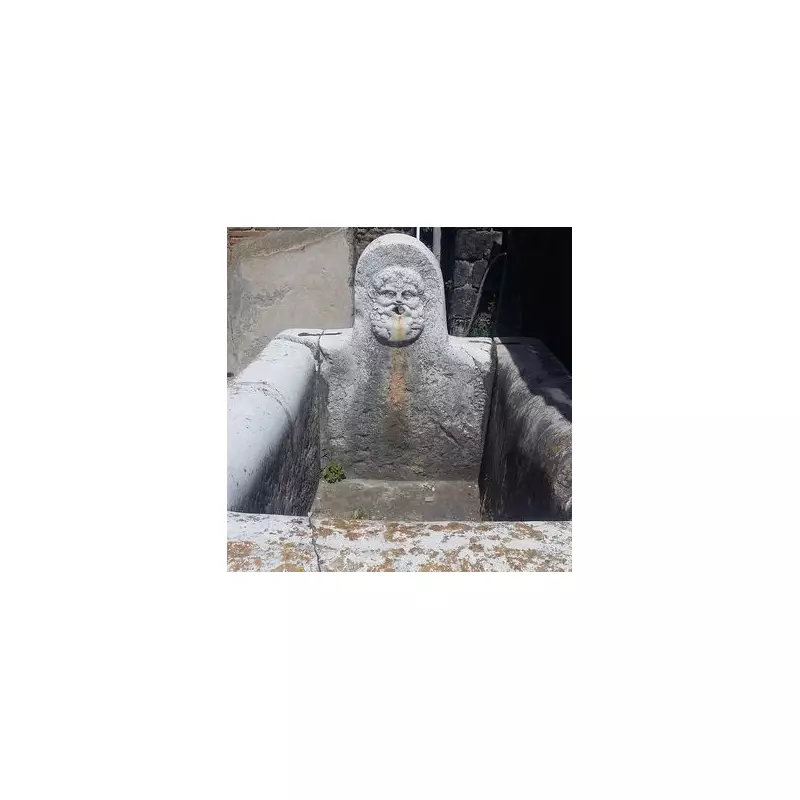
- Everyday items like bread left in stone ovens and drinking troughs, creating a poignant connection to the people who lived here.
Recent archaeological work has uncovered more of the city, including skeletal remains. As one recent visitor noted on Google Reviews, seeing these remains is deeply moving and offers a distressing, visceral connection to the terror of that day, far removed from the disconnect of pictures online.
Why Herculaneum Stands Apart
Many reviewers highlight that Herculaneum, while smaller, is in many ways more impressive than Pompeii due to its exceptional state of preservation. The site is more compact and less crowded, allowing for a more contemplative exploration. As another reviewer praised, it feels as if "the eruption happened yesterday".
Guided tours, particularly with archaeologists, help bring the city to life, explaining its function as a seaside resort and the scientific reasons for its preservation. The recovered ancient boat and countless personal effects on display make the human story heartbreakingly tangible.
Herculaneum is not just a historical site; it is an emotional journey. It stands as a stark reminder of nature's power and a breathtaking testament to Roman life. For any traveller seeking a profound, quiet, and unforgettable encounter with history, this ghostly Italian town is an absolute must-visit.