Rio's Favelas Transform into Thriving Cultural Tourism Hubs
As unprecedented numbers of visitors descend upon Rio de Janeiro, a significant shift is occurring in tourist behaviour. Rather than focusing solely on iconic landmarks like Copacabana Beach or Christ the Redeemer, growing numbers are actively seeking immersive local tours within the city's vibrant favela communities. This trend represents a profound move towards authentic cultural experiences in areas once heavily stigmatised, now recognised as beacons of urban creativity and resilience.
Resident Guides Lead the Charge Towards Economic Empowerment
The remarkable influx of curious international visitors has inspired enterprising residents to develop tourism initiatives that generate crucial income. Among them is Vitor Oliveira, a former motorcycle taxi driver in Rocinha—Rio's most populous favela—who transitioned to guiding after noticing increasing numbers of foreign tourists. Tourism has now become his primary livelihood, reflecting a broader economic transformation within these communities.
Official statistics from Rio City Hall reveal the scale of this tourism boom. Rio welcomed 12.5 million tourists during 2025, including 2.1 million international visitors—representing a striking 44.8% increase from the previous year. This surge generated approximately 7.8 billion reais (equivalent to $1.5 billion) for the local economy, demonstrating the substantial financial impact of this evolving tourism sector.

Beyond Superficial Sightseeing: The Quest for Authenticity
On a bustling weekday in late January, Rocinha was alive with visitors from diverse nations including Chile and France. Amid the crowds, guide Vitor Oliveira escorted Paraguayan tourist Oscar Jara and his nephew José Martínez through the favela's characteristic narrow streets. Oliveira articulated a perspective shared by many residents: "To visit Rio and only see Copacabana, Christ the Redeemer and Sugar Loaf Mountain is to experience a polished, expensive version of the city. The true essence of Rio originates from its favelas."
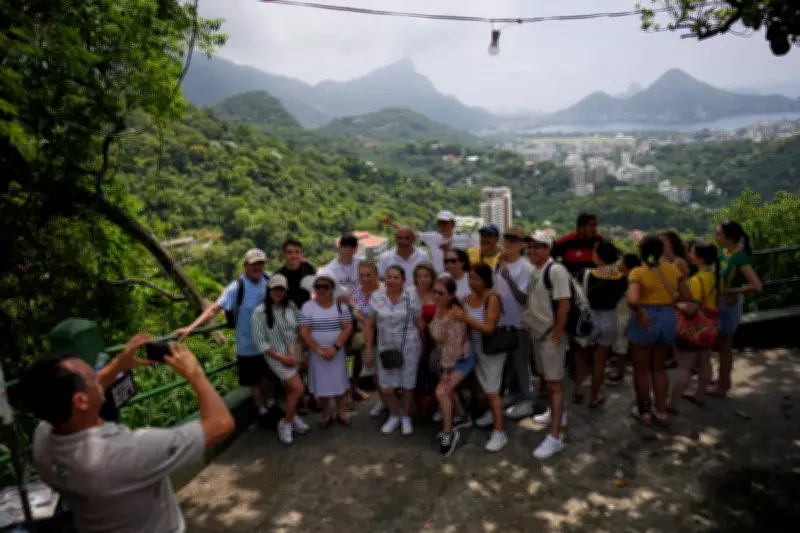
Rocinha's dramatic hillside location overlooking Rio's major landmarks provides a unique vantage point. Oliveira's tours typically begin with these panoramic views before progressing to cultural highlights such as:
- Dynamic capoeira martial arts demonstrations
- Visits to local artists' galleries and studios
- Optional conclusions featuring traditional Brazilian barbecue on his personal balcony
Caroline Martins de Melo Bottino, a tourism professor at Rio de Janeiro State University, confirms this trend: "Tourists increasingly seek genuine experiences that reveal what it truly means to be from Rio. People recognise that the city's favelas fulfil these expectations exceptionally well."
Social Media Amplification and Infrastructure Adaptation
As visitor numbers swell, the physical landscape of favelas is adapting. New establishments featuring panoramic balconies and houses with open rooftop slabs now cater specifically to tourists seeking memorable selfies. Some even offer professional drone video recording services to capture sweeping vistas.
Social media content has become a powerful driver of this tourism growth. Viral videos created by influencers have introduced global audiences to favela life, demystifying these communities. Oliveira experienced this directly when hundreds of tourists approached him after he appeared in a widely-viewed YouTube video by a Spanish visitor.
Tourist Oscar Jara noted that such content provides reassurance: "Those viral videos give people confidence to visit without apprehension. This represents very authentic tourism—not sanitised for visitors or arranged to present superficial impressions." Jara specifically sought Oliveira's guidance after viewing his online content.
Celebrity Endorsements and Evolving Tour Philosophies
The appeal extends beyond everyday tourists. Global music superstar Rosalía spent the concluding days of 2025 in Rio, including a documented visit to Rocinha where footage shows her learning the celebrated passinho dance step—further validating these communities as cultural destinations.

Tour guide Cosme Felippsen, who operates in both Morro da Providencia and Rocinha, emphasises that contemporary guiding philosophy transcends basic experiences like drinking caipirinhas in favela settings. "We aim to bring people here to foster awareness, to narrate the history of these territories through the perspective of the main protagonists—the residents themselves."
This represents a maturation of favela tourism, moving from voyeuristic day-tripping towards respectful cultural exchange that benefits local economies while challenging longstanding stereotypes about these vibrant urban communities.