Russian authorities in occupied eastern Ukraine are launching a controversial initiative to promote tourism in regions utterly devastated by the ongoing war. Officials in Kremlin-controlled Donetsk are pushing what they term "war tourism," aiming to attract visitors to sites of heavy fighting to stimulate the local economy.
‘Military Glory’ Tours Amidst the Ruins
Kirill Makarov, the deputy prime minister of the self-proclaimed Donetsk People's Republic (DPR), stated that tours would showcase "key points of military glory." The plan is part of Russia's broader national "tourism and hospitality" project, set for launch next year. Makarov claimed an investment of 1 billion roubles (approximately £9.7 million) would be allocated to restore hotels and infrastructure in the Donetsk region.
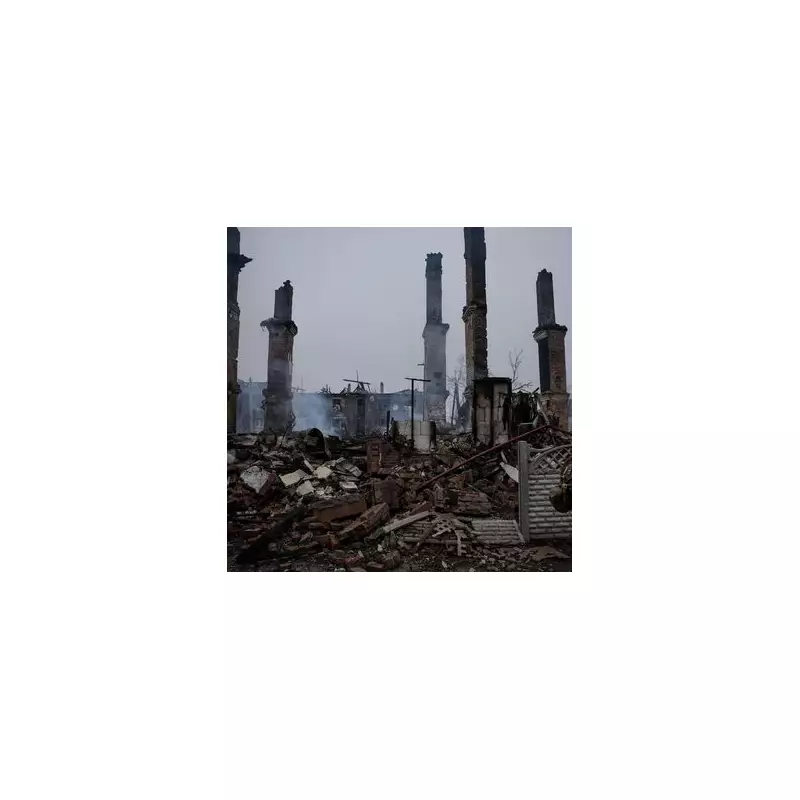
The area has been the scene of some of the conflict's most brutal battles. This includes the prolonged fight for Bakhmut, where tens of thousands of Russian troops are believed to have died before Moscow captured the destroyed town in May 2023. The region is also home to Mariupol, the port city famously levelled by Russian bombardment in 2022.
Condemnation and Humanitarian Crisis
The initiative has been met with fierce criticism. Mariupol's exiled city council, now based in Dnipro, accused Russia of seeking to monetise tragedy. "The invaders plan to turn the city's tragedy, its ruins, the mass graves, into attractions and a platform for Russian propaganda," a statement read. "All with one purpose, to earn as much money as possible."
This push for tourism unfolds against a backdrop of severe humanitarian need. The region's infrastructure remains shattered. In a poignant online appeal, a group of children recently begged President Vladimir Putin for help. One girl wrote, "Uncle president, help us! Every morning I hope water is coming from the tap, but there is none." A resident described travelling to Rostov-on-Don in Russia, 100 miles away, just to take a proper shower. "We book a hotel room, I take a really long shower. I just stand under the water, feeling human, like normal life is returning," she said.
Political Ambitions and Stalled Peace
Despite the devastation, Russian President Vladimir Putin has described the industrial Donbas—encompassing Donetsk and Luhansk—as "fertile ground for tourism development" and encouraged business investment. Mariupol's installed mayor, Oleg Morgun, has expressed hopes for one million tourists by 2030, while conceding that nearly all buildings have been damaged. Ukrainian President Volodymyr Zelensky states at least 20,000 people died during Mariupol's siege.
This tourism drive occurs as peace talks remain deadlocked. Russia has shown no sign of withdrawing from seized territories and has insisted Ukraine relinquish the remaining Donbas land it still holds—an ultimatum Kyiv has flatly rejected. Moscow currently controls most of Luhansk and about 70% of Donetsk. While Ukraine has indicated a willingness to discuss troop withdrawals from some eastern areas, it demands high-level talks over the control of the land.
The concept of "war tourism" in an active conflict zone presents profound ethical questions, blending economic ambition with raw propaganda amidst ongoing suffering and geopolitical stalemate.