

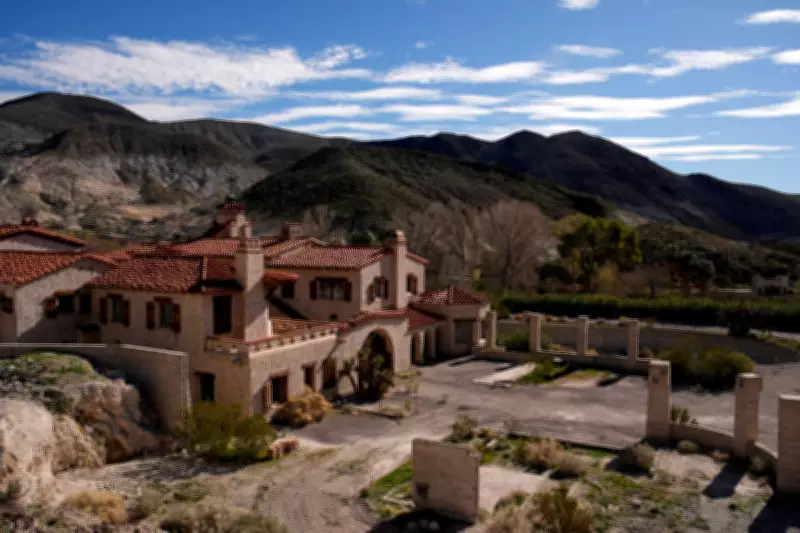
After a decade-long closure caused by devastating flash flood damage, the iconic Scotty's Castle in Death Valley National Park is finally reopening its doors to visitors through a series of limited tours. This remarkable 1920s desert landmark, which once attracted approximately 100,000 annual visitors as one of the park's premier attractions, has undergone extensive restoration work costing around $90 million.
A Desert Oasis with a Colourful History
Nestled within the arid landscape of Death Valley, Scotty's Castle represents one of California's most fascinating architectural and historical treasures. Originally constructed as a vacation retreat for millionaire couple Albert and Bessie Johnson between 1922 and 1931, the property became forever associated with Walter "Death Valley Scotty" Scott, a charismatic con man and former Buffalo Bill Wild West Show performer who lived on the grounds until his death.
The Unlikely Friendship Behind the Castle
The castle's origin story reads like a classic Wild West tale, complete with gold prospecting schemes, staged gunfights, and an improbable friendship that defied expectations. Scott initially convinced Albert Johnson to invest in a fictional gold mine in Death Valley, believing his wealthy investor would never venture to such a remote location. When Johnson unexpectedly arrived to inspect his investment, Scott attempted to scare him away by orchestrating a dramatic shootout with supposed bandits.

"The story of how it came to be in this extremely unlikely place is what makes it so special," explained Abby Wines, acting deputy superintendent of Death Valley National Park. "I think what most people connect to when they come out here is the story of the friendship between the rich couple, Albert and Bessie Johnson, and Death Valley Scotty."
Remarkably, Johnson discovered the gold mine was fraudulent but didn't mind the deception. He found the desert climate beneficial for his health and enjoyed the adventure, eventually bringing his wife Bessie to join what became a genuine friendship with Scott.
Architectural Marvel in the Desert
The castle itself represents a remarkable architectural achievement in such an extreme environment. Inspired by the sandstone buildings and red tile roofs of Stanford University, where Bessie Johnson studied, the property features:
- Stucco walls and elaborate decorative woodwork
- Hand-painted tiles throughout the interior
- A magnificent music room with player pipe organ
- Arched ceilings and stained-glass windows
- External features including a weather vane depicting Scott and a clock tower overlooking the valley
An incomplete swimming pool stands as testament to the point when Johnson's business fortunes declined, preventing further construction on the property.
From Flood Damage to Restoration
The castle's closure resulted from significant flash flood damage that necessitated comprehensive repairs. The restoration process has faced multiple challenges over the past decade, including a fire in 2021 and historic rainfall events that complicated utility work and structural repairs.
"Repairs, which involved a lot of utility work, have taken longer than expected because of multiple setbacks," noted park officials regarding the extended restoration timeline.
Limited Tours and Future Plans
The National Park Service has initiated carefully managed flood-recovery tours as the first phase of the castle's reopening. These $35 special access tours, scheduled through March, have already sold out completely, demonstrating the enduring public fascination with this unique historical site.
Proceeds from these limited tours will contribute toward completing the full restoration, with a comprehensive reopening anticipated within the next few years. When fully operational, visitors can expect to experience guided tours featuring period-costumed interpreters showcasing the castle's original furnishings and sharing the property's colourful history.

Death Valley National Park itself continues to attract approximately 1.4 million visitors annually, drawn to its extreme landscapes as North America's hottest, driest, and lowest point at 282 feet below sea level. Scotty's Castle represents a human-scale counterpoint to these vast natural wonders—a testament to ambition, friendship, and storytelling in one of the planet's most challenging environments.





