The Independent's journalism is supported by our readers. When you purchase through links on our site, we may earn commission.
The Six Warmest Holiday Destinations in Spain for Winter Sun
Britain might be experiencing chilly conditions, but you can still enjoy remarkably balmy weather on the Iberian peninsula this winter. Spain, a summer magnet for millions of tourists, is often surprisingly overlooked as a prime winter holiday destination. While far-flung locales in the Caribbean or Asia typically capture the spotlight for winter sun, the Mediterranean nation presents a compelling and convenient short-haul alternative. Its agreeable climate and the notable absence of peak-season crowds make it a discerning choice for savvy travellers seeking warmth without the long-haul flight.
Why Spain Shines in Winter
Throughout the winter months, Spain’s southern provinces frequently experience delightful temperatures hovering comfortably around 20 degrees Celsius. Perennial favourites like Seville remain gloriously sun-drenched from December right through to March. The milder conditions offer perfect opportunities for cultural exploration and leisurely strolls, completely unhindered by the intense, sweltering heat that characterises the region's summer months.

Even on the eastern coasts, destinations including vibrant Valencia offer splendid opportunities for refreshing walks on the beach from Christmas Eve until spring. The Canary Islands, justly famed for their reliably balmy winter temperatures, may be Spain’s most revered winter sun destination. However, the mainland holds its own with several spectacular options, as detailed in the full selection below.
Tenerife: The Canary Island Gem
The Canary Islands consistently offer the very best of Spanish winter sun, and Tenerife stands out as the most popular choice. As well as being a key summer destination, this captivating island receives an impressive six hours of sunshine per day between December and February. Temperature averages in these months stand at a pleasant 18C, with average highs reaching around 22C. Remarkably, Tenerife has even seen temperatures as high as 30C in December.
By stark contrast, some parts of the UK manage only an hour-and-a-half of sunshine per day in December. In London, that amount drops to a mere 1 hour 15 minutes, according to analysis by data analytics firm Statista. Many of Tenerife’s highlights are its breathtaking natural sites. It is home to the highest peak in Spain, Mount Teide, an active volcano that majestically towers over the national park of the same name. While a cable car can whisk you to the top, there are plenty of rewarding hiking routes among the striking red rock and rugged terrain. If exploring doesn’t appeal, the weather is still more than good enough to spend a relaxing day on the beach, whether you’re seeking water sports in the coastal resorts of the Costa Adeje or cultural exploration in the capital, Santa Cruz.
Valencia: A City of Winter Vibrancy
Though slightly cooler than other destinations on this list, Valencia offers pleasantly mild temperatures and plentiful sunshine during the winter months. It is not uncommon to see locals enjoying the beach from December to February, though many wisely stay away from the water despite air temperatures hovering around a comfortable 17C. This is a city that genuinely thrives in winter, as many of its best sights and most popular activities suit the slightly lower temperatures perfectly.
A cycle along the five-or-so miles of the beautiful Turia Park is practically a rite of passage for visitors. At the end of this scenic route lies the awe-inspiring City of Arts and Sciences, one of Spain’s modern marvels and the site of avant-garde buildings, verdant gardens and Europe’s largest aquarium. Whether you’re strolling around the trendy districts of Ruzafa and Carmen or enjoying some alfresco New Year’s Eve drinks, the temperature is never too hot and rarely too cold. Beach areas may be more suited to invigorating promenade strolls rather than afternoon swims, but there’s something extremely satisfying about having lunch on the sands while friends in the UK are clearing snow from their driveways.

Seville: The Warmest Continental City
The Andalusian capital is rightly famed for its year-round high temperatures. While average summer highs of 36C are enough to deter some would-be visitors, welcoming winter highs of between 16 and 18C present a far more appealing prospect. A city break in Seville offers an impressively deep range of culture, history and iconic landmarks, from captivating evening flamenco shows to serene cruises along the Guadalquivir River.
Several of the city's major highlights – including the enchanting Old Town, the magnificent cathedral, La Giralda Tower, the Moorish Alcazar and Casa de Pilatos – are all within an easy walking distance of each other. On a separate day, make your way to the expansive Maria Luisa Park and the stunning Plaza de Espana. Here, you can enjoy a relaxed stroll and a short, picturesque rowboat trip on the canal before admiring the national pavilions that remain from the 1929 Ibero-American Expo.
Nerja: A Charming Coastal Alternative
A smaller and often more charming alternative to Malaga, Nerja lies around 30 miles to the east, perched beautifully on a section of cliffs that overlook the Alboran Sea. The town begins on the shores of Salon and Calahonda beaches, rising steadily up through a sea of picturesque, white-washed, low-lying buildings and palm-tree-filled gardens. Within the narrow, cobbled streets, a delightful plethora of independent shops, restaurants and plazas await discovery.
Just above the beach sits the famous Balcon de Europa, an impressive viewpoint that gives sweeping, panoramic sea views. One of the town’s most visited and fascinating sites is its extensive network of caves, which stretches for over three miles and is adorned with ancient paintings thought to date back an astonishing 40,000 years.
Lanzarote: A Landscape of Natural Wonder
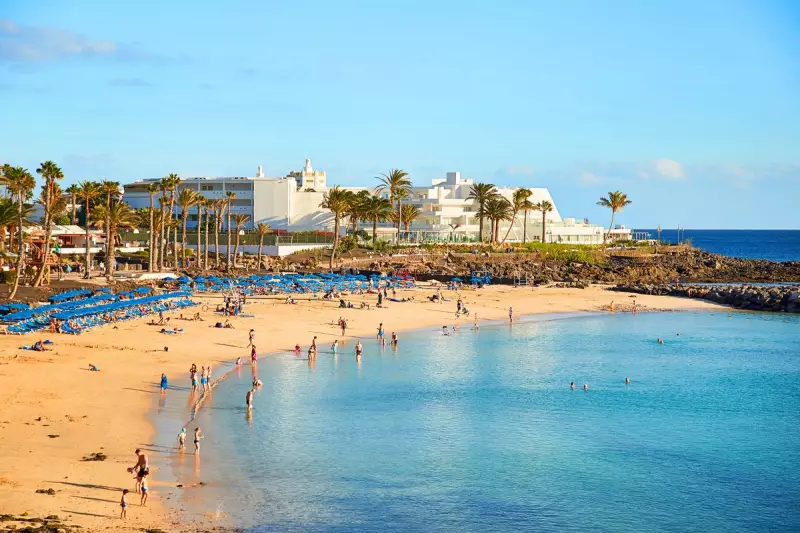
When competing for a spot as the second Canary Island recommendation on this list, Lanzarote comes out on top due to its utterly unique natural sites and charming capital. Average highs are around a very pleasant 21C during the winter months. The main city of Arrecife may be smaller than Las Palmas on Gran Canaria, but its city-side beaches, striking colonial architecture and lively nightlife make it a worthy competitor.
At the extraordinary Timanfaya National Park, the sea of red rock and volcanic soil appears almost extra-terrestrial; guided hikes or bus tours are the only ways to explore this remarkable landscape. Alongside the beautiful beaches and the dramatic Hervideros cliffs, the Jameos del Agua – an oasis-like landscape containing a cave network and cultural centre – stands as another absolute must-see.
Malaga: Andalusia's Seaside Hub
Andalusia’s primary seaside destination is another excellent alternative to Seville for a solid dose of winter sun. Average highs hit a very agreeable 18C. Though the sea may be too brisk for most swimmers, both the bustling port and the long stretch of city beach, which includes Malagueta and Caleta, are fantastic places to walk, cycle or simply enjoy a laid-back afternoon meal with a view.
The historic centre demands at least an afternoon spent wandering its wide boulevards, narrow alleys and authentic churro cafes. Meanwhile, La Concepción Historical Botanical Garden and the imposing Gibralfaro Castle offer some of the best views in the city. Art lovers will be enthralled by the Thyssen Carmen Museum, which showcases a superb host of 19th-century Spanish art. The birthplace of Picasso also houses a fantastic museum containing over 200 of his works, part of which lies within the house where the famed artist was born. The Alcazaba, Malaga’s magnificent answer to Granada’s Alhambra, is the undeniable architectural highlight, where majestic stone palaces with classic horseshoe arches contain serene gardens and courtyards lined with fragrant orange and stately palm trees.
This piece was first published in November 2024 and has been comprehensively revised and updated for 2026.