A significant majority of potential tourists are reconsidering travel plans to the United States in the wake of a controversial killing by Immigration and Customs Enforcement (ICE) agents and recent comments from former President Donald Trump, according to a new online poll.
Poll Reveals Widespread Travel Reluctance
An extensive survey conducted on the social media platform X, formerly known as Twitter, has uncovered deep-seated concerns among international travellers. The poll, which garnered responses from 12,000 participants, found that a striking 80 per cent would now avoid travelling to the United States.
Triggering Events: ICE Incident and Political Remarks
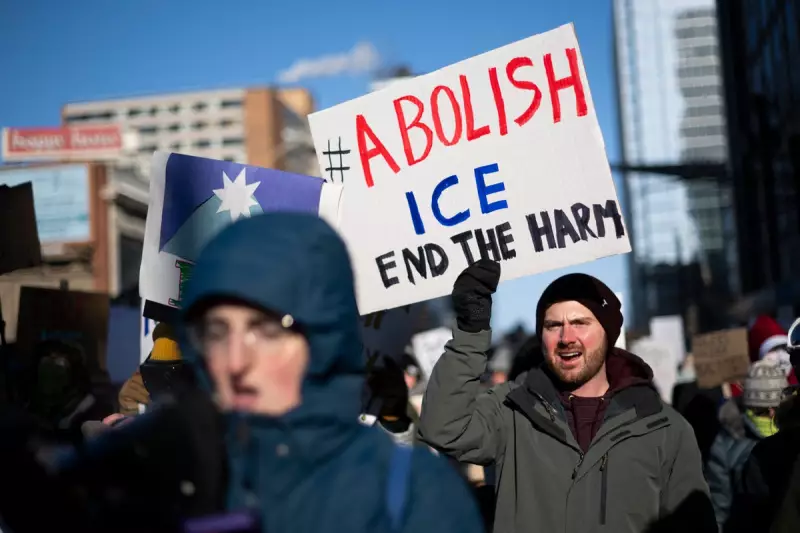
The survey was prompted by two key events that have sparked global attention. Firstly, a fatal incident involving ICE agents in Minneapolis, where an individual was killed, has raised serious questions about law enforcement practices and safety for visitors. Secondly, remarks from Donald Trump regarding foreign troops staying "a little off the front lines" have added to the political tension, influencing perceptions of the US as a destination.

Reasons Behind the Travel Hesitation
Over half of the respondents who indicated they would not travel cited recent political events as their primary reason. Others expressed specific concerns about personal safety, potential social media checks at borders, or a general lack of interest in visiting the country under current circumstances.
Some individuals with pre-booked, non-refundable flights are now facing a dilemma, actively considering cancelling their trips despite financial implications due to their growing reluctance to visit.
A Minority Remain Undeterred
Conversely, the poll revealed that 11 per cent of respondents remain undeterred, indicating they would still be happy to travel to the United States. This minority suggests that while the events have significantly impacted travel sentiment, they have not universally deterred all potential visitors.
The findings highlight how international incidents and political rhetoric can swiftly alter tourism patterns, with potential economic implications for the US travel industry if these sentiments persist among global travellers.