Diet Coke Shortage Grips India as Aluminium Supply Crisis Fuels Panic Buying
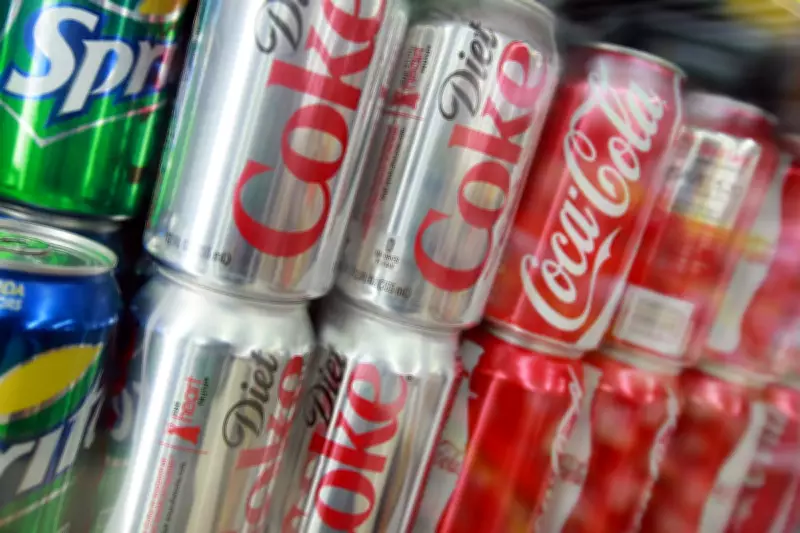
A severe shortage of Diet Coke has emerged across India, driven by a global aluminium supply crunch exacerbated by geopolitical tensions in the Middle East. The disruption has led to empty shelves in retail stores and limited availability on delivery platforms, triggering widespread panic buying among consumers.
Supply Chain Disruption Hits Major Cities
Retailers and consumers in key Indian cities, including Mumbai, Bengaluru, Pune, Ahmedabad, and Gurugram, have reported significant stock-outs of Diet Coke. The product is particularly vulnerable because it is sold almost exclusively in aluminium cans in India, unlike other fizzy drinks such as regular Coke, Thums Up, and Pepsi, which are also available in PET plastic and returnable glass bottles.
One grocery retailer in the Delhi National Capital Region told the Economic Times newspaper: “We are facing acute Diet Coke stock-outs since the weekend; if supplies do come, they are being immediately picked by consumers.” A leading bottling partner added that while can shortages are impacting all soft drinks, Diet Coke is especially affected due to its rapid growth as the fastest-growing diet drink in the country.

Geopolitical Tensions and Aluminium Production
The supply strain stems from a combination of global and local disruptions, including shipping bottlenecks and packaging adjustments under Indian compliance rules. The Gulf region accounts for approximately 9 percent of global aluminium production, which has been severely impacted since late February by Iran's de facto blockade of the Strait of Hormuz.
Industry executives revealed that major beverage can manufacturers, such as Ball Beverage Packaging and Canpack, lack sufficient capacity to meet current demands, with new production lines potentially taking 10 to 12 months to become operational. The closure of the Strait of Hormuz has restricted aluminium shipments to export markets in the United States and Europe, contributing to a surge in prices.
Market Impact and Price Surges
Following Iranian airstrikes on two major Middle East aluminium producers in late March, aluminium prices soared to a four-year high. Benchmark aluminium on the London Metal Exchange reached $3,672 per ton on April 16. This spike echoes the record high of $4,073.50 per ton in March 2022 after Russia's invasion of Ukraine.
Aluminium Bahrain, which operates the world's largest single-site smelter, reported injuries to two employees and damage to its facilities after an attack in late March. Emirates Global Aluminium also sustained significant damage, leading to the shutdown of smelting lines representing 19 percent of its capacity.
Social Media Frenzy and Consumer Reactions
The shortage has sparked a meme frenzy online, with consumers expressing frustration and humour over the scarcity. Actor Yajat Dhingra appealed: “Please don’t leave Diet Coke lovers alone during these hard times of shortage.” Digital content creators like Tarun Singh and Viraj Ghelani shared videos highlighting the shortage, with one user joking: “All cylindrical objects are in short supply. Diet Coke in the new LPG.”
Broader Industry Implications
The pressure extends beyond soft drinks, affecting beer makers and other beverage producers facing similar packaging shortages. According to an ET report, Diet Coke has become a leader in Coca-Cola's zero and low-sugar beverage market, driven by increased health awareness, GenZ preferences, and accessible pricing. This portfolio now accounts for an average of 30 percent of overall sales in 2025, up from about 5 percent in 2020.
Expert Warnings and Future Outlook
Nick Snowdon, head of metals and mining research at Mercuria, described the situation as a “black swan” event, noting that the scale of the supply shock is likely the largest in the base metals market since 2000. He stated: “We are already in a 'black swan' event. No one could have foreseen something on this scale.” Mercuria estimates a deficit of roughly two million tons in the aluminium market by year-end.

Stocks of aluminium in LME-approved warehouses have plummeted by more than 60 percent since last May, dropping to 418,675 tons. The Middle East, with around seven million metric tons of aluminium smelting capacity, contributes about 9 percent of global production, with 75 percent of its output exported. Disruptions in major shipping routes like the Strait of Hormuz are creating uncertainty in global trade flows and supply chains for essential raw materials like alumina.
The Independent has reached out to Coca-Cola for comment on the ongoing shortage and its impact on the Indian market.