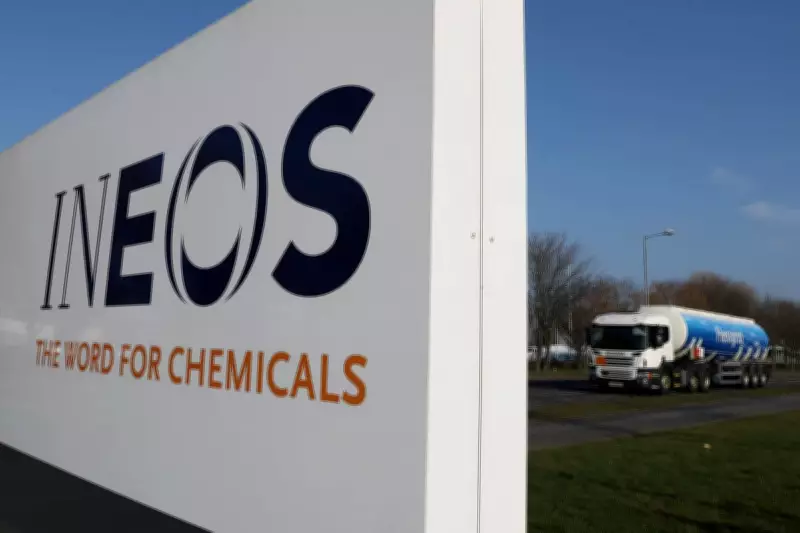
Ineos has joined forces with Shell to drill for new oil and gas in the US as boss Sir Jim Ratcliffe said he was prioritising investment across the pond rather than in Europe.
Deal Details
Ineos Energy, the energy division of the chemicals giant, said it had acquired a 21% interest in a portfolio of assets owned by a subsidiary of Shell. The two companies will jointly invest in exploration and production opportunities for oil and gas in the Gulf of Mexico, the body of water which US President Donald Trump has renamed as the Gulf of America. This will include developing Shell’s Fort Sumter oil and gas discovery, drilling into the Sisco exploration well, and looking for another exploration well by the end of 2030. The price of the deal was not disclosed.
Shift to US Investment
Ineos said the deal marked the latest step in its deliberate shift of investment to the US, where it has committed more than three billion dollars (£2.2 billion) of investment. Chairman and founder Sir Jim, a British billionaire businessman, criticised the UK’s energy policy which he said has been inconsistent compared with a more stable landscape in the US. He said: “Europe is all over the place. From an investment point of view, you always go to the stable rather than the unstable. I would have a lot more confidence in investments in America in the energy sector than I would in Europe.”

Industry Context
Sir Jim, who also co-owns Manchester United, has previously issued a warning that chemical production is plunging across Europe and urged taxation and policy change to “save” the industry. David Bucknall, the chief executive of Ineos Energy, said its deal with Shell was supporting “energy security”. He said: “Partnering with Shell on these opportunities is a natural step. We are focusing on areas close to existing infrastructure where we can move quickly, control costs and unlock new production. This is disciplined growth targeting exploration, shared risk, and returns. These opportunities strengthen our portfolio and support long-term energy security.”