Iran Ignites Tankers in Iraqi Waters as US-Israeli War Intensifies
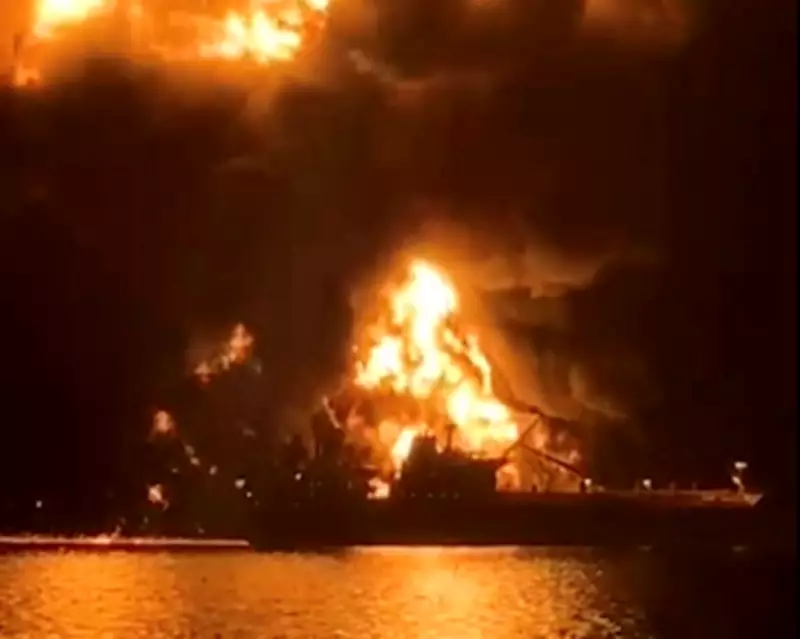
Iran set two tankers ablaze in Iraqi waters early on Thursday, marking a significant escalation in attacks on oil and transport facilities across the Middle East. This aggressive move comes as Iran warns the world to prepare for oil prices reaching $200 a barrel, directly challenging President Donald Trump's assertion that the United States has already secured victory in the ongoing conflict.
Global Energy Markets in Turmoil
The war, initiated nearly two weeks ago with joint US and Israeli air strikes on Iran, has resulted in approximately 2,000 fatalities and plunged global energy markets and transport networks into chaos. Oil prices, which surged to nearly $120 a barrel earlier in the week before stabilizing around $90, experienced another spike on Wednesday and continued to climb during Asian trading on Thursday due to renewed concerns over supply disruptions.
In response to the soaring prices, US Energy Secretary Chris Wright announced the release of 172 million barrels of oil from the Strategic Petroleum Reserve. This action is part of a broader agreement by the 32-country International Energy Agency to release a total of 400 million barrels, aimed at mitigating the supply shocks caused by the war.

Military and Humanitarian Developments
Despite the intense conflict, US intelligence reports, as cited by Reuters from three anonymous sources, indicate that Iran's leadership remains largely intact and is not at immediate risk of collapse. The sources emphasized that the regime retains control over the Iranian public, based on consistent analysis from multiple intelligence reports.
In a tragic incident, two foreign tankers carrying Iraqi fuel oil were attacked by Iranian boats laden with explosives, resulting in the death of one crew member, according to Iraqi port security officials. Meanwhile, the Israeli military launched large-scale strikes on Beirut's densely populated suburbs after Hezbollah fired dozens of rockets. Lebanese authorities report that Israel's bombing campaign and ground invasion have killed over 570 people, including at least 83 children, and displaced approximately 750,000 individuals, creating a severe humanitarian crisis.
Political Statements and Demands
President Donald Trump, speaking at a campaign-style rally in Kentucky, claimed the US had won the war but stressed the need to "finish the job." He boasted that the US has struck Iran "harder than virtually any country in history" and reiterated that the conflict is not over. The Trump administration has stated that Trump will decide when to end the war, demanding Tehran's "unconditional surrender."
Iran's President Masoud Pezeshkian has called for reparations and security guarantees to be included in any peace agreement. Additionally, Iran's UN Ambassador Amir Saeid Iravani condemned a UN Security Council resolution targeting Iran, describing it as an injustice and asserting that Iran is the main victim of aggression. He reported over 1,348 civilian deaths and 17,000 injuries since the joint attack began on February 28, with extensive damage to civilian sites including homes, medical facilities, and schools.
Regional Security and Investigations
Oman's civil defence is working to contain a fire at fuel tanks in Salalah port after drone strikes, while Qatar, Kuwait, and the UAE reported successfully intercepting Iranian drones and missiles. In a controversial development, Trump evaded questions about the bombing of an Iranian girls' school that killed at least 175 people, mostly children, with a preliminary investigation by the New York Times suggesting US responsibility.
The Israeli military has expressed readiness to continue the war for "as long as necessary," echoing sentiments from Defence Minister Israel Katz about an open-ended campaign. As tensions mount, the international community faces growing challenges in addressing the escalating violence and its widespread impacts on global stability and energy security.