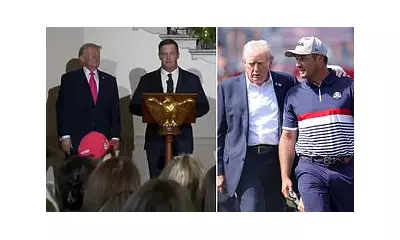
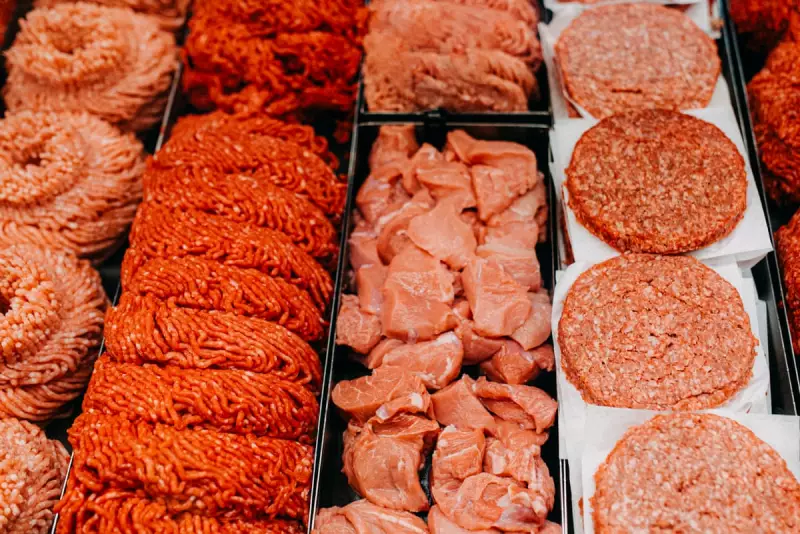
The Trump administration is facing a congressional investigation following allegations it attempted to manipulate beef prices during its time in office. The probe centres on claims that senior officials pressured major meatpacking companies to keep prices artificially low ahead of key political events.
Congressional Scrutiny Intensifies Over Market Interference Claims
Democratic lawmakers have launched a formal inquiry into whether Trump administration officials, including former Agriculture Secretary Sonny Perdue, improperly intervened in beef pricing mechanisms. The investigation follows whistleblower accounts suggesting direct pressure was applied to four major meatpacking corporations - JBS USA, Tyson Foods, Cargill, and National Beef - to suppress wholesale beef costs.
According to documents obtained by investigators, the alleged manipulation occurred during critical periods in 2020, including ahead of the presidential election. The House Committee on Oversight and Reform is examining whether these actions constituted an abuse of power for political gain, potentially violating federal regulations governing fair market competition.
Whistleblower Revelations and Industry Impact
The investigation gained momentum after multiple whistleblowers came forward with detailed accounts of administration officials threatening regulatory consequences if companies failed to comply with informal pricing requests. One former USDA official testified that there was clear communication about keeping beef prices "affordable" during election season, creating an atmosphere of coercion within the industry.
Market analysts suggest that such interference, if proven, could have distorted normal supply and demand dynamics, potentially harming both cattle producers through suppressed prices and consumers through longer-term market instability. The North American Meat Institute, representing the companies involved, has stated they complied with all applicable laws while acknowledging discussions with government officials about market conditions.
Legal and Political Consequences Unfold
The congressional investigation represents the latest in a series of probes into Trump administration practices, with potential implications for future governance standards. Legal experts note that while presidents have historically used informal influence on economic matters, systematic efforts to control specific commodity prices could raise legal concerns under antitrust and fair competition statutes.
The probe is expected to continue through early 2026, with preliminary findings potentially affecting ongoing policy debates about agricultural regulation and executive power limitations. Meanwhile, beef industry representatives have expressed concern about the allegations' impact on international market confidence in US agricultural exports.