Trump's Naval Blockade Threat in Strait of Hormuz Escalates Global Tensions
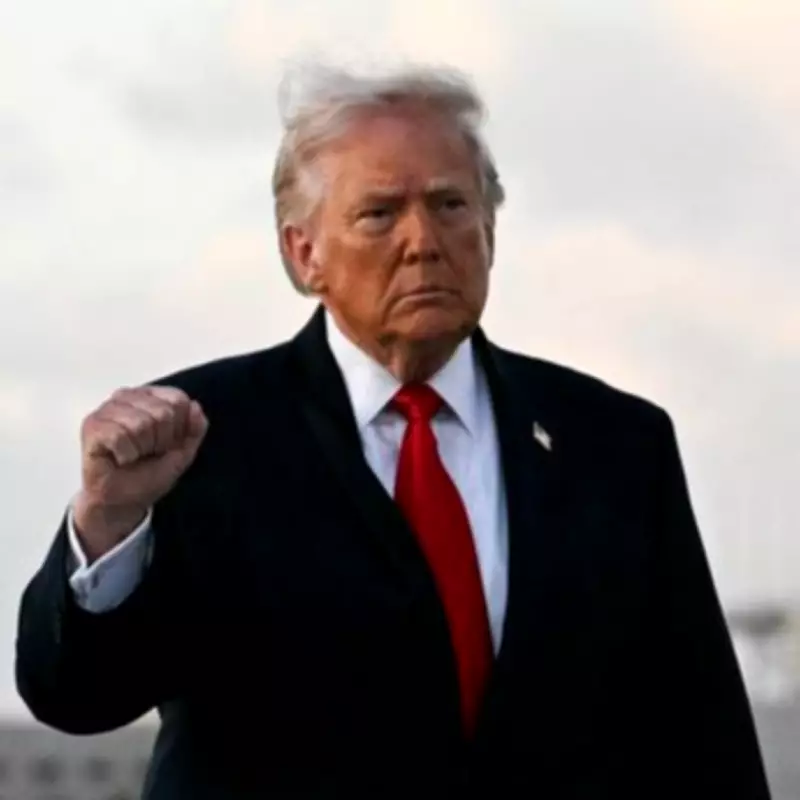
In a dramatic escalation of Middle East hostilities, former US President Donald Trump has declared that the US Navy will initiate a blockade of the strategically vital Strait of Hormuz. This announcement comes after peace negotiations between the United States and Iran collapsed, marking a significant deterioration in regional stability.
Blockade Announcement Follows Failed Peace Talks
The blockade threat was issued via Trump's Truth Social platform, where he stated, "I have instructed our navy to seek and interdict every vessel in international waters that has paid a toll to Iran." He further warned that any Iranian forces firing at US or peaceful vessels would be "BLOWN TO HELL!" This aggressive posture follows Tehran's effective closure of the strait after US and Israeli bombing campaigns against Iran commenced on February 28.
Earlier this week, a fragile two-week ceasefire between Washington and Tehran was agreed upon, but it quickly broke down as Israel continued attacks on Iran-aligned Hezbollah in Lebanon. Vice President JD Vance traveled to Islamabad, Pakistan, for peace talks with Iranian negotiators, but returned empty-handed, stating that Iran "have chosen not to accept our terms." Iran countered that the US "ultimately failed to gain the trust of the Iranian delegation."

Economic Implications for Global Markets
The Strait of Hormuz is a critical maritime chokepoint, with approximately one-fifth of the world's oil supply passing through it daily. The ongoing conflict has already caused significant disruption, with oil prices soaring from around $70 per barrel before the conflict to a peak of $120 during the worst of the hostilities. Following the brief ceasefire announcement, prices dropped to $92 per barrel, but Trump's blockade threat threatens to reverse this trend.
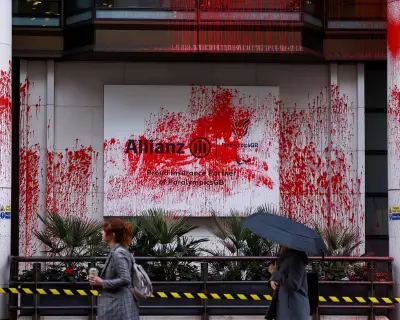
Mohamed El-Erian, an adviser to insurer Allianz and former president of Queens' College, University of Cambridge, highlighted the potential impact on the UK. He told The Guardian, "Absent a swift resumption of negotiations, the immediate reaction of financial markets when they open for the trading week will be to push oil prices higher and borrowing costs higher." El-Erian added that this translates into "another hit to the cost of living and less flexibility for both fiscal and monetary policy responses."
The RAC has reported that a tank of petrol in the UK now costs £86.92, which is £13.86 more expensive than at the beginning of the Middle East conflict. The UN Trade & Development agency warned that military escalation in the waterway has led to ripple effects extending far beyond the region, affecting energy markets, maritime transport, and global supply chains. They noted that higher energy, fertilizer, and transport costs could increase food prices and intensify cost-of-living pressures, particularly for vulnerable populations.
Expert Opinions on the Blockade's Effectiveness
Despite the alarming rhetoric, some experts downplay the immediate impact of Trump's proposed blockade. Shipping analyst Lars Jensen told the BBC that the blockade "will halt a very tiny trickle of vessels." He explained, "In the greater scheme of things, it doesn't really change anything. First of all, there's very few ships that pass. There's even fewer of those that pay, and those that pay will already be subject to American sanctions."
However, the psychological and market effects of such a blockade could be substantial, even if the physical disruption is limited. The threat alone contributes to uncertainty in global oil markets, potentially driving prices higher and exacerbating economic instability.
Broader Geopolitical Context
The situation in the Strait of Hormuz is part of a broader pattern of escalating tensions between the US and Iran, with Israel's involvement adding another layer of complexity. The collapse of peace talks and the subsequent blockade threat underscore the fragility of diplomatic efforts in the region. As vessels continue to line up in the strait, the world watches anxiously, aware that any further escalation could have profound consequences for global energy security and economic stability.