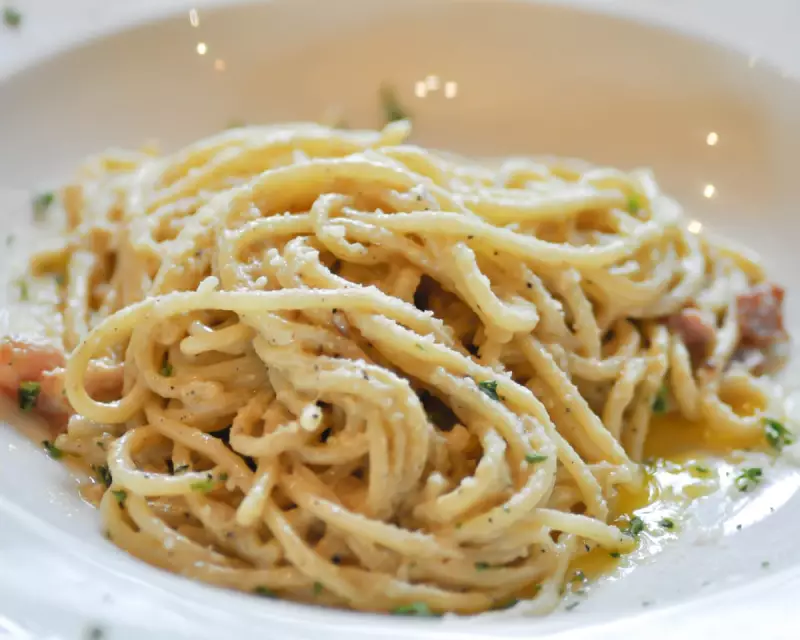
In a significant development for transatlantic trade, the United States government has drastically reduced proposed punitive tariffs on Italian pasta, averting a move that would have nearly doubled costs for American consumers.
A Reprieve for Producers
The US Department of Commerce (DoC) has reviewed initial plans and slashed the threatened duties to a range of between 2% and 14%. This marks a stark retreat from the tariffs as high as 92% that were previously threatened by the Trump administration.
The investigation targeted 13 major Italian pasta companies, including household names Barilla, La Molisana, and Pastificio Lucio Garofalo. The US had accused them of "selling their products at unfairly low prices," a practice known as dumping.

Financial Stakes and Industry Relief
The stakes are high for the Italian industry, which is estimated to be responsible for $770m-worth (approximately £570m) of annual pasta sales to the US market. The targeted firms account for roughly 16% of all pasta imported from Italy to America.
Italy's agribusiness association, Coldiretti, had previously warned that the original tariff plan would deal a "fatal blow" to the sector. The European Commission had also stated it was prepared to intervene if necessary.
According to a preliminary review, the new duty rates would see La Molisana face a tariff of 2.26%, Garofalo around 14%, and the remaining 11 producers a rate of 9.09%.
Final Decision Pending and Wider Trade Context
It is crucial to note that the DoC has not yet made a final decision. The definitive results of its analysis and the final import duty levels will be announced on 12 March. The Department stated that Italian producers had "addressed many of [its] questions" during the process.
Italy's foreign ministry welcomed the shift, saying the recalculation "is a sign that US authorities recognise our companies' constructive willingness to co-operate."
Any additional duties imposed will be on top of the existing 15% tariff that President Trump has placed on most goods imported from the European Union into the US. The move on pasta came a day after the US delayed tariff increases on items like furniture and kitchen cabinets, with the White House citing ongoing "productive negotiations with trade partners."