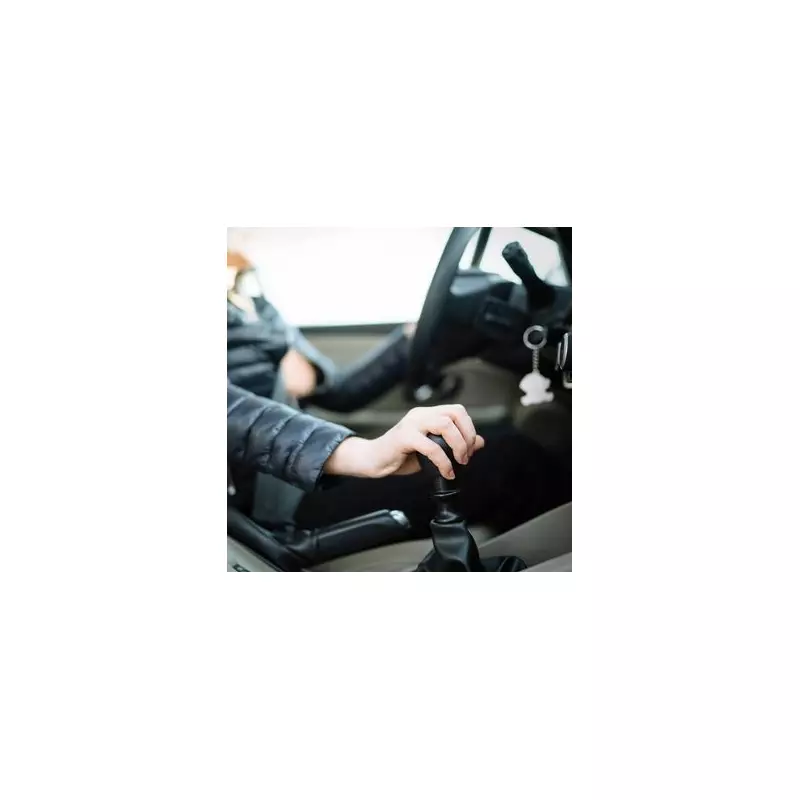
Mastering the art of gear changes remains a persistent challenge for drivers across the spectrum, from novices fresh from their test to seasoned motorists with years of experience. The decision of when to shift up or down can often feel ambiguous, leaving many uncertain in specific driving scenarios. Even those who change gears instinctively may find it difficult to articulate the precise reasoning behind their choices. Fortunately, a straightforward principle underpins this essential skill, and one expert has distilled it into an easy-to-remember seven-word rule.
The Core Principle of Gear Selection
The fundamental concept to understand is that your selected gear should correspond directly with your vehicle's speed. As velocity increases, so too should your gear. For example, second gear is typically appropriate for speeds up to 20 miles per hour, while fifth gear is designed for higher velocity ranges between 40 and 70 mph, commonly used on dual carriageways and motorways. However, as highlighted by driving professionals, there are critical exceptions where opting for a lower gear than usual becomes necessary, and recognising these situations is vital for safe and efficient driving.
The Expert's Seven-Word Mantra
Annie Winterburn, an experienced driving instructor and theory specialist, has shared a concise phrase to demystify gear usage. In a recent social media video, she emphasised that the key to understanding lower gears is their ability to deliver increased power to the wheels while offering reduced speeds. The seven-word mantra she advocates for drivers to memorise is: "Lower gears give power and engine braking."

Winterburn elaborated on this principle, explaining, "The lower gears in your car send more power to your wheels. You need more power when you're going up a steep hill, or if you want to speed up quickly. So lower gears give more power." She further noted, "Lower gears also give you more engine braking. You need engine braking when you're going down a steep hill." This simple phrase encapsulates the dual benefits of selecting a lower gear, aiding both acceleration and controlled deceleration.
The Important Exception for Icy Conditions
Winterburn also pointed out a crucial exception to this general rule, specifically concerning driving in slippery weather conditions. On icy roads, choosing a higher gear than you would normally use for your current speed can be beneficial. This approach helps prevent your wheels from spinning on the ice and can provide superior vehicle control compared to using a lower gear.
She clarified, "You need a lower gear for going up a steep hill, a lower gear for going down a steep hill, and a lower gear to speed up quickly. But you would use a higher gear than normal when you're driving on ice to prevent your wheels from spinning." This advice underscores the importance of adapting gear selection to specific road and weather conditions for optimal safety.
Standard Guidelines for Gear Changes
The timing of gear shifts can vary depending on your car's engine power and specific model. However, according to established driving schools, the basic principle remains that gears should change in alignment with your vehicle's speed. A standard guideline provides a helpful reference point for learners and experienced drivers alike:
- First Gear: 0-10 mph – Primarily for starting the car and moving off. It is generally not used for continuous driving, and you should shift to second gear almost immediately after beginning to move.
- Second Gear: 10-20 mph
- Third Gear: 20-30 mph
- Fourth Gear: 30-40 mph
- Fifth Gear: 40-70 mph
Experts also advise drivers to remain attentive to their vehicle's auditory cues. If your car is revving excessively and producing high-pitched noises, it is often an indication that you need to shift up a gear. Listening to your car can be as important as following numerical guidelines, ensuring smoother operation and better fuel efficiency.

By internalising the seven-word mantra and understanding both the standard speed guidelines and the exception for icy conditions, drivers can approach gear changes with greater confidence and clarity. This knowledge not only enhances driving skill but also contributes to safer journeys on the road.