Australian Airlines Implement Major Flight Cuts in Response to Soaring Fuel Prices
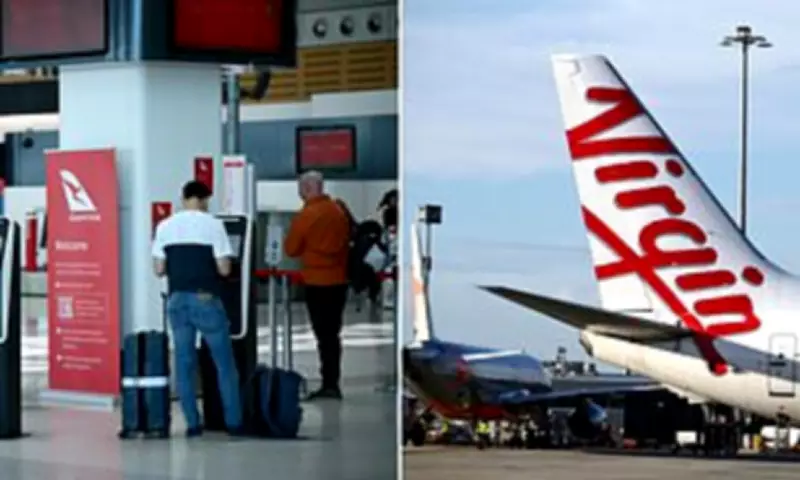
In a significant move impacting air travel across Australia, major carriers Virgin Australia and Qantas have announced the cancellation of hundreds of flights. The decision, driven by escalating fuel prices exacerbated by global geopolitical tensions, particularly the conflict in Iran, aims to manage operational costs. Regional Australia is expected to bear the brunt of these cutbacks, with services suspended indefinitely or reduced on key routes.
Virgin Australia's Route Adjustments and Suspensions
Virgin Australia has confirmed the indefinite suspension of two critical services. The Adelaide to Cairns route will cease operations from August 1, while the Alice Springs to Brisbane service will be halted from July 14. Affected customers will be re-accommodated on alternative flights to minimise disruption.
Additionally, Virgin will implement seasonal restrictions on flights between Darwin and Sydney from June 22 to October 25. The Uluru to Melbourne service will also see a reduction from three to two flights per week, effective from August 20. These measures are part of a broader strategy to mitigate the financial strain caused by volatile fuel markets.

Qantas and Jetstar's Capacity Reductions
Qantas has outlined plans to cut 88 flights from its Melbourne to Sydney service, 50 flights from Sydney to Brisbane, and 31 flights from Brisbane to Melbourne between May 18 and June 30. Further reductions include scaling back Perth to Sydney flights from 334 to 307, Melbourne to Adelaide from 384 to 361, and Brisbane to Adelaide from 246 to 234.
Temporary suspensions will affect routes such as Melbourne to Coffs Harbour, Melbourne to Hamilton Island, and Qantas's Adelaide to Mt Gambier service. Qantas's low-fares partner, Jetstar, will also put the Sydney to Busselton service on hold and suspend the Darwin to Gold Coast flight. The airline has indicated that these cuts may coincide with increased airfares, adding to passenger concerns.
Financial Implications and Industry Outlook
In a statement released on Tuesday, Qantas cited continued volatility in fuel prices and global economic conditions as reasons for reducing domestic capacity by approximately 5 percentage points in the fourth quarter of the 2026 financial year. Although around 90 percent of its crude oil supply is hedged, surging jet refining margins have led to significant cost pressures.
Qantas estimates that it could pay between $3.1 billion and $3.3 billion for fuel in the six months up to June 30, representing the second half of this financial year. This is projected to increase the airline's fuel bill by an additional $600 million to $800 million during this period. The group is working closely with the government and jet fuel suppliers to ensure supply confidence through April and into May, but acknowledges ongoing uncertainty in global fuel supply chains.
Expert Analysis and Future Projections
Aviation industry consultant Tony Webber, a former chief economist for Qantas, warned in March that the airline's earnings could plummet to $544 million if the Middle East conflict persists. He projected that capacity cuts would likely target longer sectors where fuel costs constitute a higher percentage of total expenses and where reducing capacity elicits a stronger fare response, typically on routes with more business travellers and fewer leisure passengers.
This development underscores the broader challenges facing the aviation sector as it navigates economic headwinds and geopolitical instability. Passengers are advised to stay informed about schedule changes and explore alternative travel options as airlines adjust to these turbulent conditions.