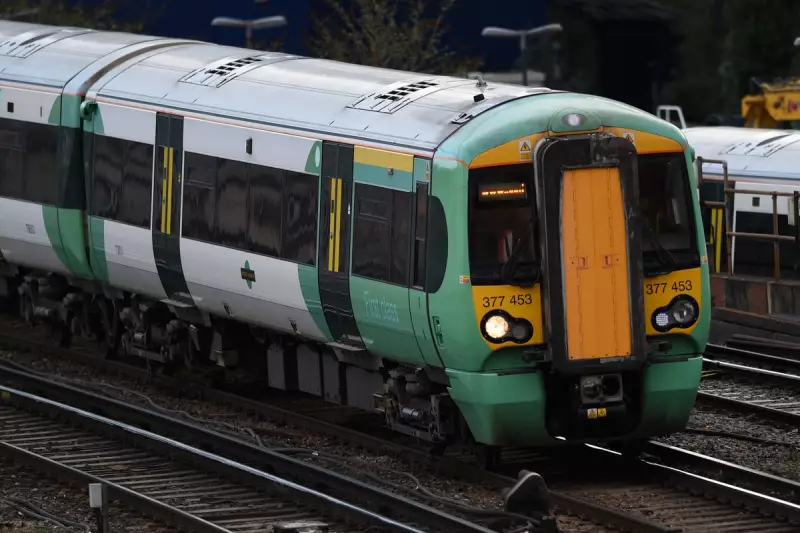
Rail passengers across south-east England are confronting significant fare increases following a major overhaul of ticketing rules for contactless payments. The changes, which came into effect recently, have expanded peak-time pricing, meaning many journeys that were previously cheaper now require more expensive tickets.
What's Behind the Fare Rises?
The core of the issue lies in the harmonisation of paper ticket time restrictions with the contactless payment system used by Transport for London (TfL). This alignment means that services which were available with off-peak paper tickets now fall under peak fare periods when paying with contactless cards or devices. The shift was implemented by Govia Thameslink Railway (GTR), one of the UK's largest rail franchises.
Rebecca Paul, the Conservative MP for Reigate, has voiced strong criticism of the move. She warned that the changes risk "pricing passengers out of rail altogether," arguing that the increased financial burden could deter people from using train services.

Passengers Could Pay Double
Analysis conducted by the independent lobby group Railfuture reveals the stark financial impact for many travellers. Their research indicates that passengers using contactless payment could end up paying up to twice as much for the same journey compared to those using traditional paper tickets.
A key driver of this disparity is the current limitation of the contactless system. Valuable discounts, such as those from railcards or child fares, are not applicable to contactless payments, putting regular commuters and families at a particular disadvantage.
Industry Defence and Passenger Backlash
In response to the criticism, both Govia Thameslink Railway and the Department for Transport have defended the expansion of contactless payment. They argue that the system makes travel "simpler and easier," and contend that many passengers are still expected to save money overall due to the convenience and fare capping benefits of contactless technology.
However, for those whose travel patterns now fall within the newly defined peak hours, the immediate reality is one of sharply increased costs. The situation highlights the growing pains associated with modernising the UK's complex rail ticketing system, where the push for technological convenience can sometimes come with an unexpected price tag for the passenger.