Police Data Exposes Widespread Speed Limit Breaches by Two-Wheeled Riders
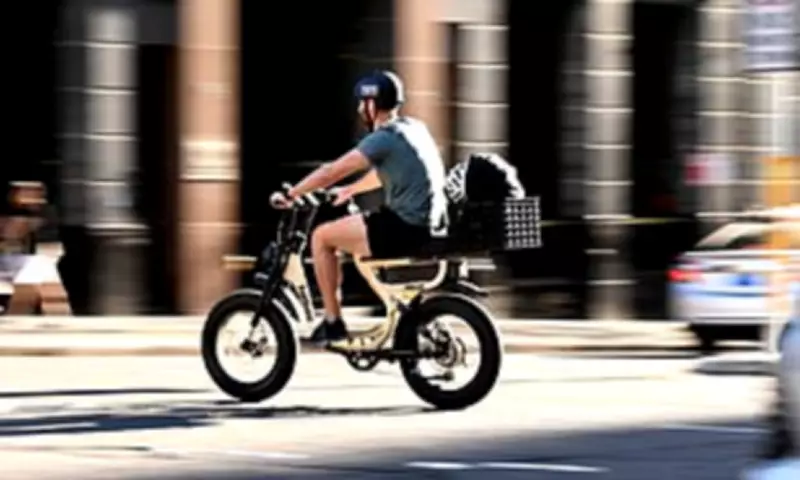
Hundreds of cyclists, e-bike riders, and e-scooter users are breaking speed limits across Britain without facing any punishment, according to alarming police figures. The data, obtained through Freedom of Information requests, reveals that speed cameras have been triggered nearly 1,200 times by these riders since 2023, yet no enforcement action has been taken against any of them.
Untraceable Offenders and Enforcement Challenges
Police forces across England and Wales report being powerless to pursue these cases because bicycles, e-bikes, and e-scooters lack identifiable markings such as registration plates. This makes it impossible to track riders after they trigger speed cameras. The situation has sparked renewed calls for a comprehensive review of whether these vehicles should require registration plates or other identifiable markings, especially as their numbers surge on roads and speeds increase.
Key figures from responding police forces include:

- Lancashire Constabulary recorded 227 cyclists activating speed cameras in 30mph zones between 2023 and 2025.
- Devon and Cornwall Police reported 668 e-bikes and e-scooters clocked speeding, with some potentially being bicycles.
- Leicestershire Police noted 287 incidents where speed cameras identified offences by bicycles, e-bikes, or e-scooters.
- Police Scotland detected one cyclist speeding in a 30mph zone but took no action due to tracing difficulties.
- Nottinghamshire Police confirmed safety cameras triggered by electric bikes and e-scooters, with riders remaining untraceable.
Legal Loopholes and Rising Dangers
Currently, breaking a speed limit on a standard bicycle is not technically a criminal offence because bicycles are not classified as motor-propelled vehicles. However, riding a modified e-bike or e-scooter at excessive speeds does constitute an offence. Campaigners argue this legal distinction creates dangerous inconsistencies on roads.
The disclosure comes amid a significant increase in pedestrian injuries caused by cyclists. In 2024, police recorded 603 incidents where pedestrians were injured in collisions with cyclists, marking an 18.9% rise from 507 incidents in 2023. This trend has intensified demands for regulatory changes to ensure all road users face equal accountability.
Calls for Registration and Equal Standards
Celebrity roads lawyer Nick Freeman, known as Mr Loophole, emphasised the urgent need for registration systems. "The huge increase in usage dictates that they must become subject to the same law that applies to motorists, motorcycles and mopeds," he stated. "Any law that doesn’t include a registration system is useless because most riders don’t stop when involved in an accident."
Conservative shadow transport minister Greg Smith echoed these concerns, saying: "It is infuriating to see cyclists jump red lights without punishment and news that so many are exceeding the speed limit is deeply concerning. There must be equality for road users."
Howard Cox of the pro-motorist FairFuelUK campaign group added: "Two-wheeled terrors not only ignore traffic lights and regularly exceed the speed limit but also risk collisions with other vehicles and, increasingly, illegally use pavements." He noted that opinion polls consistently show support for taxing cyclists as road users and requiring insurance, road testing, and registration.
Specific Incidents Highlight Systemic Issues
In September 2023, Devon and Cornwall Police pulled over four cyclists clocked travelling at 39mph in a 30mph zone in Dartmoor. The incident generated public outrage when police only issued "words of advice" rather than penalties. Similarly, cyclists have been recorded exceeding 30mph in London's Regent's Park, where advisory limits are set at 20mph.
The rollout of more 20mph zones in residential areas has contributed to increased speed camera triggers, as performance bicycles and modified e-vehicles can easily surpass these limits. While rented e-scooters must display unique ID numbers, approximately one million privately-owned e-scooters on roads have no such requirements.

Government Response and Future Considerations
A Department for Transport spokesman clarified: "While we are not considering a registration scheme for bikes, rental e‑scooters must display a unique ID number and follow strict speed and safety rules. We are also working on new laws for e-scooters, which may include a registration scheme." The spokesman added that police have powers to act against dangerous cycling and illegal e-scooters, with potential penalties including fines up to £2,500, driving licence points, and criminal prosecution.
Former Transport Secretary Grant Shapps proposed a review in August 2022 into potential measures for cyclists, including mandatory registration plates or identifiable markings and compulsory insurance. This followed a spate of incidents involving reckless riding that resulted in injuries and fatalities.
With only five of 43 police forces providing complete data, the true scale of speed limit breaches by two-wheeled riders is likely much higher than current figures suggest. The ongoing debate highlights growing tensions between different road user groups and the pressing need for updated regulations that reflect modern transportation realities.