For millions across the United Kingdom, the daily journey to work has undergone a radical transformation. What was once universally seen as a frustrating, time-consuming chore is now, for a significant portion of the population, an integral part of their fitness routine and personal wellbeing. However, a stark divide remains, with many still trapped in lengthy, stressful trips that erode their daily happiness.
The Rise of the Active Commuter
Recent studies and surveys throughout 2025 have painted a clear picture of this shift. The traditional model of cramming onto a train or sitting in traffic is being actively rejected by a growing cohort. Instead, they are embracing cycling, walking, or running as their primary mode of transport. For these individuals, the commute is no longer lost time but repurposed time—a scheduled opportunity for exercise that eliminates the need for a separate gym session.
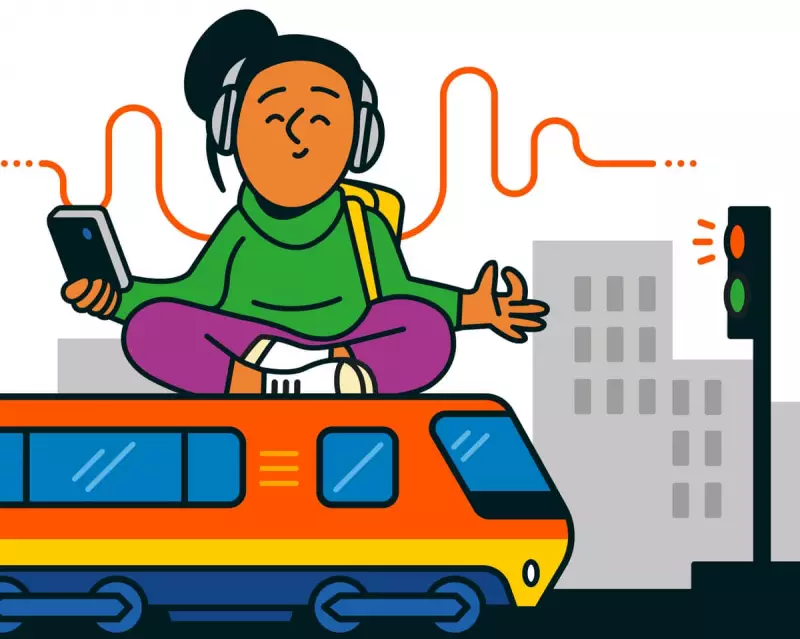
This trend is particularly pronounced in cities with improved cycling infrastructure and low-traffic neighbourhoods. Commuters report starting the day energised and arriving at work with a clearer mind, having used the journey to process the day ahead or listen to podcasts. The mental health benefits are frequently cited as being as valuable as the physical ones, turning the trip into a form of moving meditation.

The Persistent Pain of the Problematic Journey
Yet, this positive experience is far from universal. For many others, especially those reliant on overcrowded trains, unreliable buses, or long-distance car travel, the commute remains a significant source of daily stress. Delays, cancellations, and the sheer cost of travel continue to dominate headlines and frustrate passengers.
The disparity often falls along geographical and socio-economic lines. Those living further from city centres, where housing may be more affordable, frequently face the longest and most arduous journeys. The dream of a productive or healthy commute is shattered by the reality of standing on a packed carriage for an hour or navigating congested motorways. This group still overwhelmingly views their travel time as wasted and aggravating, a tax on their time and wellbeing that they feel powerless to change.
Technology, Hybrid Work, and the Future of Travel
The widespread adoption of hybrid working models, solidified in the years following the pandemic, has fundamentally altered the calculus of the daily commute. With many professionals now required to be in the office only two or three days a week, the burden of a long commute has become more tolerable for some. It has also allowed people to live further afield, trading a gruelling daily trip for a longer, less frequent one.
Technology is also reshaping the experience. The use of journey-planning apps to avoid disruptions, the proliferation of podcasts and audiobooks to make time pass more enjoyably, and the growth of micro-mobility options like e-scooters and e-bikes are providing more choice. Urban planners and policymakers are now faced with a complex challenge: catering to the needs of both the burgeoning active travel community and those still dependent on mass transit systems that require substantial investment and improvement.
The UK's commute in 2025 is a tale of two journeys. It highlights a society in transition, where the definition of travel time is being rewritten by some as a period for self-improvement, while for others it remains the most draining part of their day. The future of urban mobility will depend on how cities bridge this gap, making healthy, reliable, and efficient travel a realistic option for everyone, not just a fortunate few.