LaGuardia Crash Investigation Focuses on Controller's Emergency Phone Access
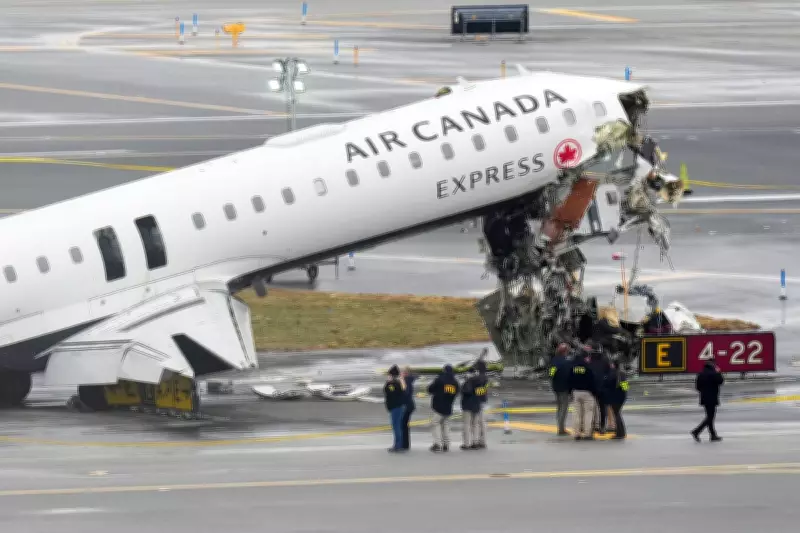
Federal authorities are intensively investigating whether an air traffic controller at New York's LaGuardia Airport was compelled to abandon their active workstation to reach an emergency landline in the critical moments preceding a deadly collision. The fatal incident involved an Air Canada Express jet striking a Port Authority fire truck during landing on March 22, resulting in the tragic deaths of two pilots. This marks the first fatal accident at the Queens airport in over three decades, prompting a thorough National Transportation Safety Board (NTSB) inquiry.
Scrutiny of Tower Layout and Controller Actions
According to reports from The New York Times, investigators are examining whether the physical configuration of the control tower forced the controller to leave their console to access a dedicated "crash phone." This emergency landline is often situated at a distance from active workstations, potentially impacting the controller's ability to monitor runway activity during a crucial window. The staffing of the tower remains a central focus, with Federal Aviation Administration regulations mandating a minimum of two controllers for the overnight "mid" shift. The NTSB has confirmed two controllers were present in the control room at the time of the crash, with third and fourth controllers also on-site in other building areas, though their specific roles during the emergency remain unclear.
Multiple Investigative Angles Under Review
The NTSB is currently analyzing data from the aircraft's cockpit voice recorder and the fire truck's electronic data recorder to reconstruct events. Investigators are also probing the possibility of communication interference, specifically whether a blocked radio transmission—caused by two parties transmitting simultaneously—muted the controller's last-second instruction for the truck to halt. Beyond radio issues, the physical environment is under scrutiny, including whether the driver's line of sight was compromised by the taxiway's awkward angle or light pollution from the terminal. Additionally, the board is assessing how weather-related delays pushed high traffic volume into the late-night shift, potentially straining a crew accustomed to lower activity levels.

Context of the Emergency Response
The collision occurred while six fire trucks were responding to a United Airlines flight reporting a strange odor. What began as a routine request for assistance at the gate escalated into a full emergency less than six minutes before the crash, when United pilots grew concerned that passengers might need to evacuate on the taxiway. Radio recordings indicate the controller was managing half a dozen other aircraft in the minute preceding the collision. Shortly after granting the fire convoy permission to cross the runway, the controller appeared to recognize the conflict and issued a stop command, but the lead vehicle and the landing Air Canada jet collided seconds later.
Expert Insights and Investigation Timeline
David Riley, a former air traffic controller, emphasized to The NYT that managing multiple roles simultaneously can compromise a controller's situational awareness, stating, "There's no such thing as multitasking." Fortunately, no passengers on the aircraft or firefighters in the convoy sustained fatal injuries. The NTSB's final report, which will determine the probable cause of the crash, is not expected for another 12 to 18 months, as investigators continue to piece together the complex sequence of events leading to this tragic incident.