In the annals of Victorian Britain, few tales are as eerie and fascinating as that of the London Necropolis Railway, a dedicated funeral train service that once carried thousands of Londoners on their final journeys to a sprawling cemetery in Surrey. This macabre yet practical solution to a grim urban crisis offers a window into the era's unique attitudes toward death and mortality.
The Grim Necessity: London's Burial Crisis
During the early reign of Queen Victoria, London faced a horrific and pressing problem. The city's population had ballooned to approximately 2.5 million, largely due to the Industrial Revolution, but this rapid growth came with dire consequences. Many residents lived in overcrowded, unsanitary conditions, which led to frequent outbreaks of deadly diseases like cholera.
London, then the world's largest city, suffered from inadequate sewage systems and poor water quality, contributing to widespread illness and premature death. Shockingly, a Londoner born in the 1840s had an average life expectancy of just 36.7 years. As mortality rates soared, the city's church graveyards quickly reached capacity, forcing the gruesome practice of exhuming recently buried bodies to make room for new interments.

A Macabre Solution: The Birth of the Necropolis Railway
To address this crisis, authorities planned a massive new cemetery in Brookwood, Surrey. However, transporting bodies from central London to this distant site via horse-drawn carriages was impractical and time-consuming. Thus, the innovative concept of the London Necropolis Railway was born.
A dedicated railway station was constructed adjacent to Waterloo, featuring an ornate Victorian façade. From here, the deceased of all ages and social classes embarked on their final 23-mile journey to the peaceful, leafy surroundings of Brookwood Cemetery—a stark contrast to London's grimy, congested streets.
Class Distinctions in the Afterlife
The railway operated with a strict class system, mirroring the social hierarchies of Victorian society. Coffins were issued one-way tickets, while mourning relatives received return tickets for their journey back to the city after the funeral service.
Upon arrival in Brookwood, trains made two stops: one for the Anglican section of the cemetery and another for the Nonconformist area, depending on the religion of the deceased.
First and Second Class Funerals
Wealthier Victorians could afford first-class funerals, which included a choice of burial plots and the privilege of erecting permanent memorials. Second-class funerals allowed for the installation of a gravestone or other marker at an additional cost; failure to pay this fee risked the grave being reused in the future.
First and second-class passengers enjoyed separate waiting areas at the station, and their loved ones' names were ceremonially announced as coffins were loaded onto the train—a dignified touch not extended to those in third class.
Third Class and Pauper Burials
The majority of funerals—approximately 80%—were third class, catering to paupers whose services were funded by their local parish. While these individuals did not receive personalised gravestones, they were granted separate graves, which represented a significant improvement over the horrific, overcrowded burial practices prevalent in London's churchyards at the time.
The London Necropolis Company (LNC) managed all burials, ensuring that even the poorest citizens received a more respectful farewell than what was available in the city's overwhelmed graveyards.
Expansion and Relocation Efforts
As London continued to expand, the development of the London Underground, modern sewage systems, and overground railways necessitated the clearance of numerous churchyards. The Necropolis Railway undertook a massive project, relocating remains from 21 churchyards across the city to Brookwood Cemetery, further cementing its role in the capital's funerary infrastructure.
Daily Operations and Peak Times
Trains ran daily, with Sundays being particularly busy for funerals. This scheduling allowed working-class families to attend services without taking additional time off work, as Sunday was typically the only day of rest for many labourers.

The Demise of the Death Railway
The London Necropolis Railway operated until 1941, when a German bomb during World War Two destroyed the London station and sections of track. By this time, motorised hearses were becoming increasingly common, and in the post-war reconstruction effort, reviving the specialised funeral train service was not considered a priority.
Legacy and Remnants
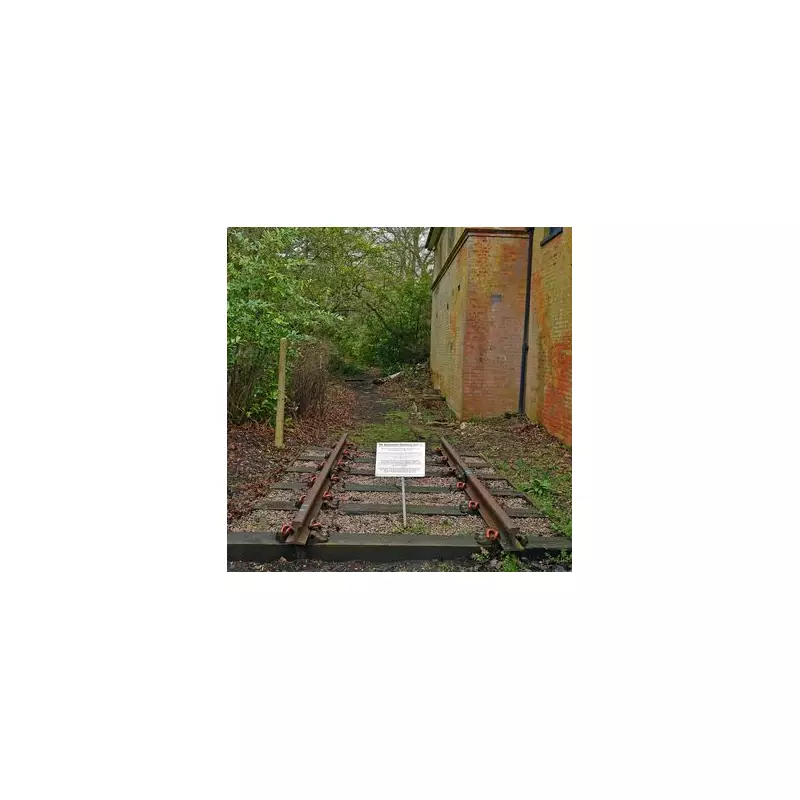
Today, fragments of this unusual chapter in history endure. At Westminster Bridge House, parts of the original station façade remain visible, though the old sign is now boarded up. In Brookwood Cemetery, sections of the track are still on display, and plaques commemorate the roughly 200,000 individuals whose final journey was aboard this unique railway.
The London Necropolis Railway stands as a testament to Victorian ingenuity in the face of urban crisis, offering a poignant, if unsettling, glimpse into how a society grappled with death, class, and the practicalities of mortality.