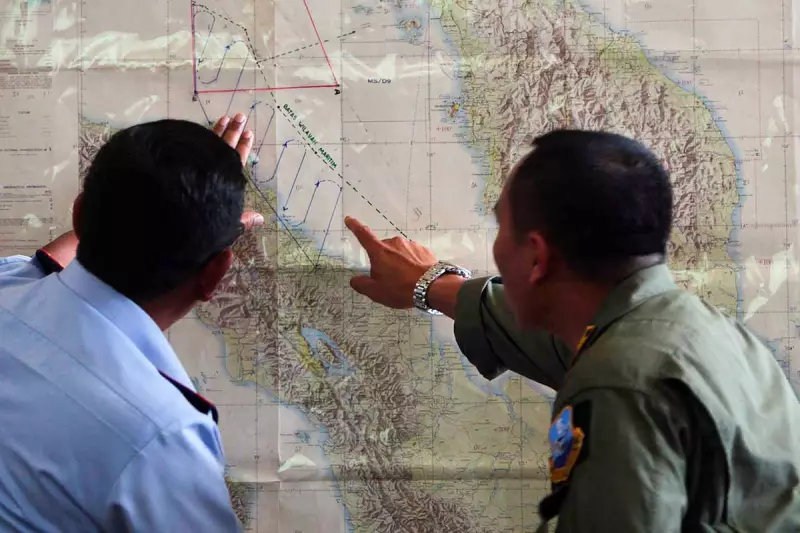
In a significant development for one of aviation's greatest unsolved mysteries, the search for Malaysia Airlines Flight MH370 is scheduled to recommence later this month. The Malaysian government has confirmed that a fresh underwater mission will begin on 30 December 2025, more than eleven years after the aircraft vanished.
New Search Details and Financial Incentive
The operation will be conducted by the private exploration firm Ocean Infinity. Their mission involves scouring a targeted area of the southern Indian Ocean for 55 intermittent days. The company stands to receive a substantial financial reward of $70 million from the Malaysian government, but only if it successfully locates significant wreckage within a defined 15,000 square kilometre zone.
This renewed effort follows years of fruitless searches and mounting frustration from the families of the 239 people on board. The Boeing 777, carrying 227 passengers and 12 crew members, disappeared on 8 March 2014 during a routine flight from Kuala Lumpur to Beijing.

The Enduring Mystery and Critical Need for Evidence
The fate of MH370 has remained one of the world's most perplexing aviation puzzles. A pivotal 2018 safety investigation report concluded that the aircraft's flight controls were likely deliberately manipulated, suggesting human intervention led it off its planned course. However, investigators were unable to determine who was responsible or what their motives were.
This lack of concrete evidence has fuelled countless theories but provided no closure. Aviation experts and officials have consistently stressed that finding the main wreckage site is the only way to retrieve the aircraft's flight data recorders, or 'black boxes'. These devices are crucial for understanding the final moments of the flight and could finally provide definitive answers about what caused the tragedy.
What This New Search Means
The decision to restart the search underscores a continued, albeit cautious, commitment to solving the mystery. The partnership with Ocean Infinity, which utilises advanced underwater robotic technology, represents a targeted, incentive-driven approach. While hopes are tempered by previous disappointments, this new mission offers a tangible, if slim, chance of a breakthrough that could bring long-awaited answers to grieving families and the global aviation community.
The world will once again watch the southern Indian Ocean, waiting to see if this chapter of one of history's most profound aviation mysteries can finally be closed.