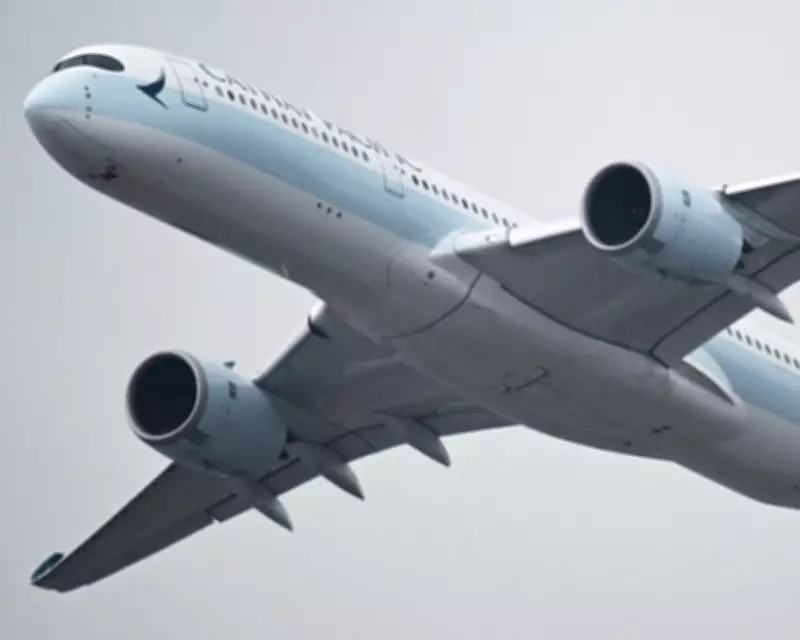
Global airlines are implementing significant price increases and operational changes in response to the escalating conflict between Iran and Israel, which has disrupted air travel across the Middle East. The situation has led to a sharp rise in airfares as carriers adjust routes to avoid conflict zones, citing safety concerns and heightened operational costs.
Impact on Flight Operations and Pricing
The conflict has forced airlines to reroute flights away from Iranian and Israeli airspace, resulting in longer journey times and increased fuel consumption. This operational shift, combined with a surge in global oil prices due to geopolitical tensions, has driven up costs for carriers. Consequently, passengers are facing higher ticket prices, with some routes experiencing increases of up to 20% or more in recent days.
Safety Measures and Route Adjustments
Airlines are prioritizing passenger safety by avoiding areas of active conflict. Major carriers have suspended or altered flights to and from the region, leading to cancellations and delays. The rerouting efforts are aimed at minimizing risks, but they add complexity and expense to flight operations, contributing to the overall hike in airfares.

Economic Factors and Oil Price Volatility
The conflict has exacerbated volatility in oil markets, with prices climbing as tensions escalate. Higher fuel costs are a direct burden on airlines, which often pass these expenses onto consumers through increased fares. This economic pressure is compounded by reduced demand in some markets, as travelers reconsider plans due to safety worries and higher costs.
Global Travel Implications
The airfare hikes are affecting not only routes directly involving the Middle East but also connecting flights worldwide. Travelers may experience broader price increases as airlines adjust to the new geopolitical landscape. Industry analysts warn that if the conflict persists, further disruptions and cost escalations could impact global travel patterns well into the future.
In summary, the Iran-Israel conflict is reshaping air travel dynamics, with airlines raising prices and modifying routes to navigate safety and economic challenges. Passengers should anticipate continued volatility in airfares as the situation evolves.