New York City's subway system is closing a major chapter in its history. The iconic MetroCard, which revolutionised fare payment in 1994 by replacing brass tokens, will cease sales and refills on 31 December 2025. The Metropolitan Transportation Authority (MTA) is completing its full transition to the OMNY contactless payment system, marking the end of an era for the gold-hued card with its famously temperamental magnetic strip.
From Tokens to Taps: A Transport Payment Evolution
The MetroCard's retirement concludes a 31-year run that itself replaced an older system. Before 1994, New Yorkers used tokens, brass-coloured coins introduced in 1953. The subway's original 1904 paper tickets cost just a nickel, equivalent to about $1.82 today. "There was a resistance to change from tokens to something else because tokens work," noted Jodi Shapiro, curator at the New York Transit Museum in Brooklyn. "MetroCards introduced a whole other level of thinking for New Yorkers."
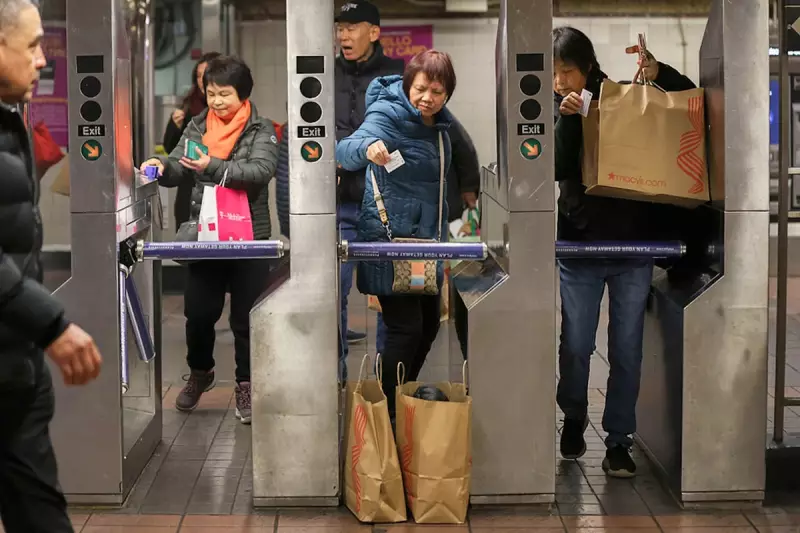
The MTA had to launch public campaigns to teach commuters the precise art of the swipe, hoping to avoid error messages and lost fares. The authority even briefly considered a quirky mascot named the Cardvaark. The cards became cultural artefacts, with special editions commemorating events like the 2000 "Subway Series" World Series between the New York Mets and Yankees, when a fare was $1.50. Artists from David Bowie to Olivia Rodrigo and New York hip-hop legends like Wu-Tang Clan have been featured on the plastic, as have iconic TV shows such as Seinfeld.

The OMNY Era: Efficiency and Global Alignment
The new system, OMNY (One Metro New York), allows riders to simply tap a credit card, smartphone, or smart device at turnstiles—mirroring everyday contactless purchases. Introduced in 2019, OMNY now handles over 90% of subway and bus trips. This brings New York in line with other major global cities like London and Singapore, which have long used similar tap-and-go systems. In the US, San Francisco launched a comparable system earlier this year, joining Chicago and others.
The transition promises significant savings. The MTA states the changeover will save at least $20 million annually in costs associated with the MetroCard. OMNY also introduces a fairer fare-capping model: once a rider takes 12 paid rides in a seven-day period, subsequent journeys that week are free. The weekly cap will be $35 when the base fare rises to $3 in January 2026.
Nostalgia, Challenges, and Moving Forward
For many, the MetroCard is a piece of New York identity. Perfecting the swipe's angle and velocity became a point of pride, separating locals from tourists. The card's cultural significance is celebrated in a new exhibit at the New York Transit Museum. "For me, the most special cards are cards which present New York City to the world," said Bronx-based collector Lev Radin. "Not only photos of landmarks, skylines, but also about people who live and make New York special."
However, the shift is not without its critics. Some express concerns about data collection and surveillance with the new digital system. For others, the change presents a practical hurdle. "It’s hard for the elders," said 70-year-old Manhattan resident Ronald Minor, who finds the OMNY reload machines cumbersome. "Don’t push us aside and make it like we don’t count."
The MTA is easing the transition. Riders reluctant to use a bank card or phone can buy a reloadable OMNY card. Existing MetroCards with remaining balances will continue to work into 2026. As the deadline approaches, the agency has directed inquiries to its public statements. For commuter John Sacchetti, the adjustment is inevitable: "It’s just like everything else, just something to get used to. Once I get used to it, I think it’ll be okay."
The final swipe of the MetroCard signals more than just a technological upgrade; it concludes a defining chapter in the daily rhythm of New York life.