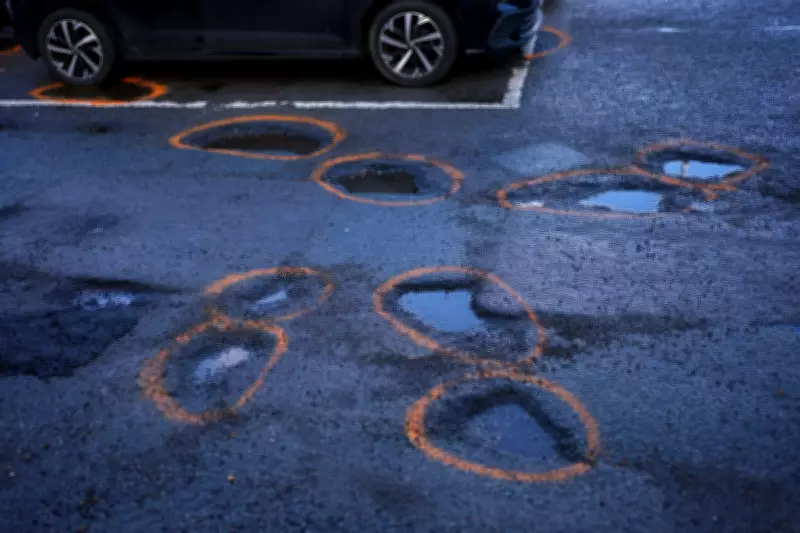
Heavy rainfall at the beginning of the year has triggered a dramatic increase in drivers striking potholes concealed by standing water, according to new figures from the RAC. The breakdown service reported that the daily average of pothole-related incidents from stranded motorists in February was three-and-a-half times higher than during the same month in the previous year.
Record Rainfall Exacerbates Road Defects
Provisional Met Office statistics indicate that England experienced 42% more rain than usual between December and February, as a succession of low-pressure systems swept across the UK from the Atlantic. This brought persistent wet and windy conditions, with particularly intense downpours across southern and central regions.
The RAC noted that this deluge created "an incredible amount of standing water" on roads, which effectively masked potholes from view. Simon Williams, head of policy at the RAC, explained: "Many puddles were hiding potholes which sadly too many drivers fell foul of."

Breakdown Data Reveals Sharp Increase
In February, the RAC recorded 6,290 instances where members mentioned potholes when reporting breakdowns, compared to just 1,842 in February 2025. January also saw a significant rise, with 5,106 mentions at a daily average of 165, up from 63 during the same period last year.
Common vehicle damage resulting from pothole impacts includes compromised shock absorbers, fractured suspension springs, and distorted wheels. The RAC estimates that repair costs for damage more severe than a simple puncture can reach £590 per incident.
Drainage Issues Compound the Problem
Williams suggested that inadequate drainage might be contributing to the problem, potentially due to reduced maintenance work by local authorities. "While this amount of rain is hard for the saturated land to cope with, the RAC suspects that poor drainage may also be to blame," he stated.
He emphasized that water acts as "the enemy of the roads," seeping into cracks and expanding when temperatures drop below freezing, thereby creating and enlarging potholes. "Preventing water from sitting on our local roads is key to their long-term health," Williams added, warning that without improved drainage, drivers will continue facing substantial repair bills.
Local Government Response and Funding
Tom Hunt, chair of the Local Government Association's inclusive growth committee, acknowledged the challenges posed by recent weather patterns. "Councils are very aware of the recent and persistent rainfall and the impact on local highways," he said, noting that local teams are working to address potholes promptly.
However, Hunt highlighted multiple factors affecting repair timelines, including weather conditions, safety considerations, road types, traffic volumes, and budgetary constraints. He encouraged the public to continue reporting potholes and other road damage to assist authorities.
A Department for Transport spokesperson outlined government support, stating: "We are providing councils with a record £7.3 billion over the next four years to help them tackle potholes, and it's now over to them to get on with maintaining and upgrading their roads." The spokesperson also referenced a new council rating system designed to monitor performance in delivering long-term road repairs rather than temporary patches.