Queensland Moves to Tighten E-Bike and E-Scooter Safety Regulations
A Queensland parliamentary inquiry is set to recommend significant new safety measures for e-bikes and e-scooters, including a minimum age requirement of 16 and the need for riders to hold at least a learner driver's licence. The inquiry, which was expedited due to growing concerns over injuries and fatalities, is expected to finalise its report this week, more than a month ahead of schedule.
Key Recommendations and Safety Concerns
The inquiry, dominated by the Liberal National Party (LNP), has finalised recommendations that would apply to all e-bikes and e-scooters in the state. Currently, Queensland already bans e-bikes with motors exceeding 250 watts or those that assist riders beyond a top speed of 25km/h. The proposed age limit of 16 aligns with suggestions from the Royal Automobile Club of Queensland and the Australian Medical Association's Queensland branch (AMAQ).
Riders would be required to obtain a car learner licence, which involves passing an online exam on road rules. The cost for a three-year learner licence is $77.55, with the test itself priced at $28.70. This move comes amid rising alarm over injuries, fatalities, and incidents such as battery fires linked to e-mobility devices.

Pressure for Change and Public Health Impact
The inquiry was prompted by mounting pressure, including parliamentary petitions and the tragic death of an eight-year-old boy in an e-bike crash on the Sunshine Coast in October. Premier David Crisafulli had previously promised reforms, and in November, police launched Operation X-Ray Surety, a targeted campaign against e-bike misuse.
The AMAQ has been a vocal advocate for stricter regulations, citing a June 2025 study that identified 176 paediatric e-scooter trauma presentations at the Sunshine Coast University Hospital over a two-year period. Dr Nick Yim, president of the AMAQ, highlighted that half of all e-scooter fatalities in Australia occurred in Queensland, adding that doctors are frustrated by the unnecessary strain on overloaded public hospitals.
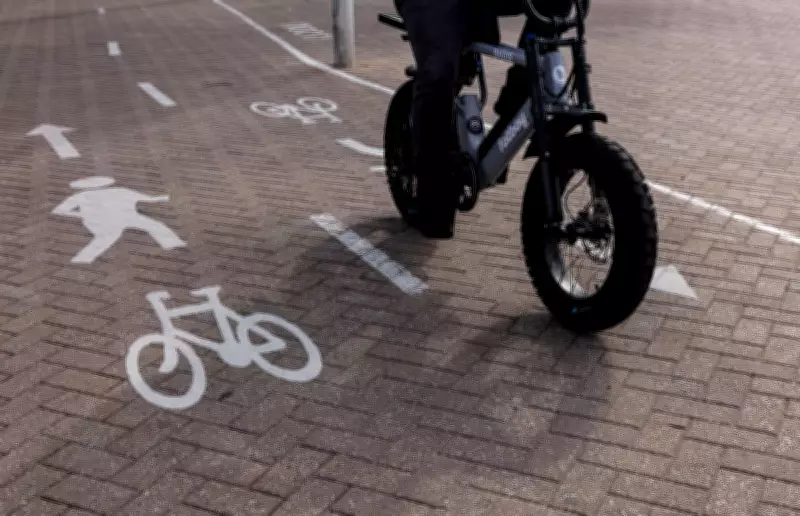
In its submission, the AMAQ called for not only age and licence requirements but also enforced speed limits, certified helmets, safety equipment, and investment in separated infrastructure to enhance rider safety.
Controversy and Opposition Views
However, the proposed licensing requirement has faced criticism. Andrew Demack, director of advocacy at Bicycle Queensland, described the idea as "really poorly thought through" and argued that it contains "gaping holes." He disputed the notion that teenagers using legal e-bikes pose a significant threat, stating that access to such devices can be beneficial for daily life and that motor vehicles remain the most dangerous on roads.
According to the Department of Transport and Main Roads' annual crash report for 2025, Queensland experienced its highest road toll in 16 years, with 307 lives lost in 284 crashes. Fatalities included 129 car drivers and 44 passengers, while "personal mobility devices" (including e-scooters) recorded the fewest deaths at eight. In comparison, there were 38 pedestrian, 50 truck driver, 75 motorcycle/moped rider, and 13 bicycle or e-bike rider fatalities.
Inquiry Process and Government Response
The state government initiated the inquiry in May last year, setting a deadline of 30 March for the report. It involved 17 hearings and briefings and received 1,223 submissions, far exceeding the typical volume for a committee inquiry. Once the recommendations are released, the government will have three months to respond.
Queensland follows other jurisdictions, such as New South Wales, which recently announced it is considering a minimum age for e-bike riders, between 12 and 16, after a group of riders crossed the Sydney Harbour Bridge. As safety concerns continue to mount, these regulatory changes aim to balance innovation in personal transport with public health and safety priorities.