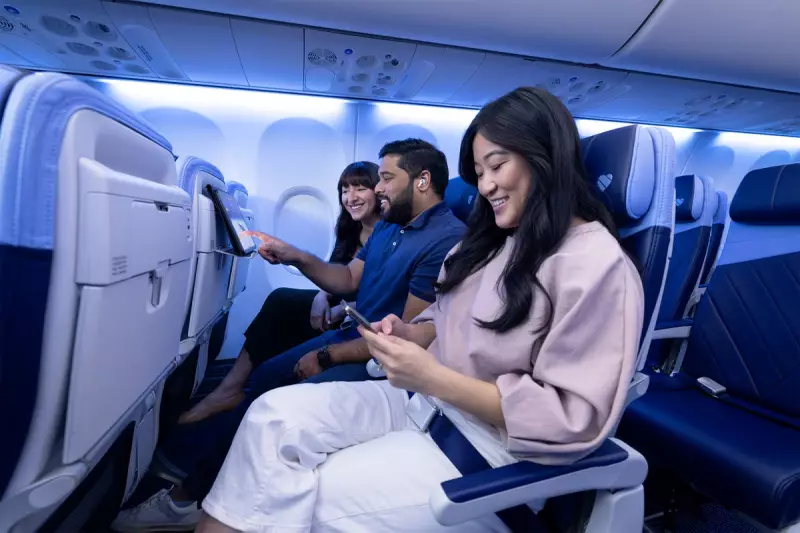
Southwest Airlines is embarking on a significant transformation, marking the end of its distinctive open seating policy that has defined the carrier for more than five decades. From Tuesday, passengers will experience a completely new boarding system with assigned seating, alongside the introduction of four fresh fare bundles and revised regulations for plus-sized travellers that could potentially increase travel costs.
The End of an Era in Airline Boarding
For over fifty years, Southwest Airlines has operated with a unique free-for-all boarding approach that allowed passengers to choose their seats upon entering the aircraft. This system, which has been a hallmark of the airline since its inception, will now be replaced by traditional assigned seating arrangements. The Dallas-based carrier, serving more than one hundred destinations globally, has been preparing for this substantial change by refurbishing its entire fleet of Boeing 737 aircraft since May 2025.
New Fare Structure and Passenger Experience
Southwest is launching four distinct fare tiers designed to cater to varying passenger preferences and budgets. The new options include Basic, Choice, Choice Preferred, and Choice Extra, each offering different combinations of seating, baggage allowances, and onboard amenities. The most expensive fare tier could typically cost double the price of the most basic option, though actual pricing will fluctuate based on route, demand, travel dates, and booking timing.

The premium Choice Extra fare provides passengers with extra legroom seats located within the front five rows of the cabin, offering up to five additional inches of pitch depending on the specific Boeing 737 model operating the route. This top-tier bundle also includes two complimentary checked bags, priority lane boarding, a premium beverage on flights exceeding 250 miles, and free in-flight internet access.
Choice Preferred tickets feature standard legroom seats positioned further forward in the aircraft cabin, combined with priority lane boarding privileges. Passengers selecting the Choice fare can pick standard seats toward the rear of the plane during booking and receive flight credit valid for twelve months if cancellation becomes necessary.
The most economical Basic fare involves standard seat assignments during check-in and provides six months of flight credit for cancellations. Importantly, passengers on Choice Preferred, Choice, and Basic fares will need to pay separately for checked luggage, premium drinks, and internet connectivity during their journeys.
Changes for Plus-Sized Passengers
Southwest Airlines is implementing modifications to its policies regarding plus-sized passengers, potentially making travel more expensive for this demographic. Previously, travellers could request a complimentary extra seat upon arrival at the airport or pre-book an additional seat and subsequently apply for a refund. Under the new regulations, only the pre-booking and refund application pathway remains available, eliminating the option for last-minute complimentary seat requests at the airport.
Responding to Market Demands and Customer Preferences
The airline has openly acknowledged that its traditional open seating model has been causing customer attrition to competing carriers. Southwest stated in an official announcement: "The airline has been known for its unique open seating model for more than 50 years, but preferences have evolved with more customers taking longer flights where a seat assignment is preferred."
According to Southwest's comprehensive research, approximately eighty percent of existing customers and eighty-six percent of potential customers express a preference for assigned seating arrangements. The airline further revealed that when passengers choose to switch to competitor airlines, the open seating policy is cited as the primary reason for their departure.

By transitioning to an assigned seating model, Southwest anticipates broadening its market appeal and attracting increased patronage from both current and prospective travellers. This strategic shift represents one of the most significant operational changes in the airline's history, fundamentally altering the passenger experience that has characterised Southwest for generations.