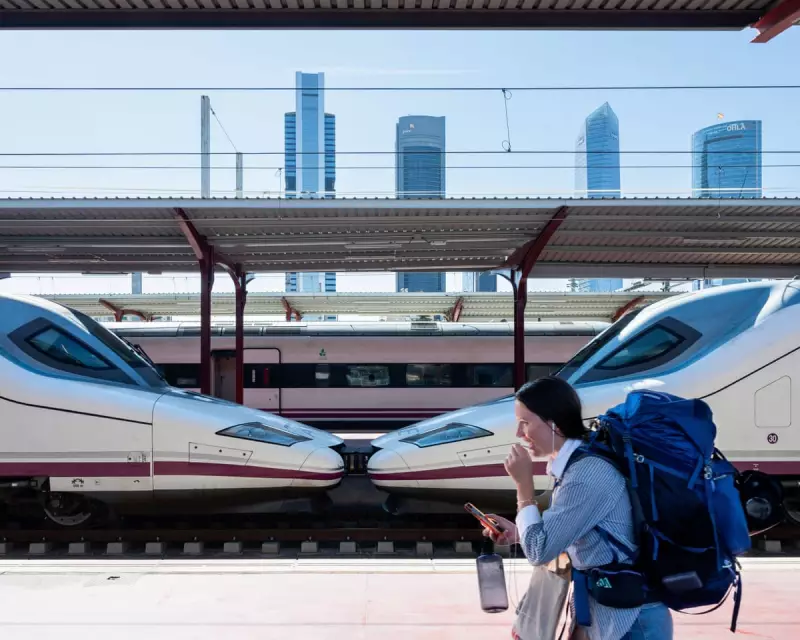
Spain's government has announced a radical new public transport initiative that will allow citizens to travel anywhere in the country on buses and trains for a single flat monthly fee of just €60.
A transformative move for commuters
Unveiled by Prime Minister Pedro Sánchez on Monday, the scheme is set to begin in the second half of January. Sánchez declared the pass would ‘change the way Spaniards understand and use public transport for ever’. He positioned it as a core measure to improve daily life, stating it could reduce monthly travel costs for some workers by up to 60%.
The national pass will cover middle-distance and suburban train services, as well as national bus routes. A discounted rate of €30 per month will be available for people under the age of 26. Sánchez estimated that around two million people would benefit from the reduced costs for commuting and everyday travel.

Political backdrop of allegations and defence
The announcement arrives as Sánchez's socialist-led coalition government faces significant political pressure. It is currently grappling with a series of damaging corruption and sexual harassment allegations involving figures within his inner circle, the Spanish Socialist Workers' party (PSOE), and the wider administration.
Despite mounting calls from opposition parties for a snap general election, Sánchez has firmly rejected stepping down. He vowed to continue governing until the legislature ends in 2027, asserting Spain is on the correct path and his team possesses the necessary "energy and determination".
Addressing the scandals directly, Sánchez insisted his government and party had acted with “forcefulness and not connivance” when faced with alleged corruption. He reiterated an “absolute commitment to feminism” and to confronting sexual abuse and harassment.
Following a European trend and facing criticism
The Spanish model follows the successful introduction of Germany's €49-a-month 'Deutschlandticket' in 2023, which covers regional public transport across the nation. While the full cost of the Spanish scheme to the public purse has not been disclosed, it is presented as a major social and environmental policy.
The political controversy intensified over the weekend when the head of Spain's Episcopal Conference backed calls for an early election, suggesting it was time for voters to have their say. Sánchez brusquely dismissed the clerical intervention, remarking, “The time when bishops meddled in politics ended when this country’s democracy began.”
As the affordable transport plan moves towards its January launch, it stands as both a flagship policy for a beleaguered administration and a potential game-changer for the cost of living and mobility for millions of Spaniards.