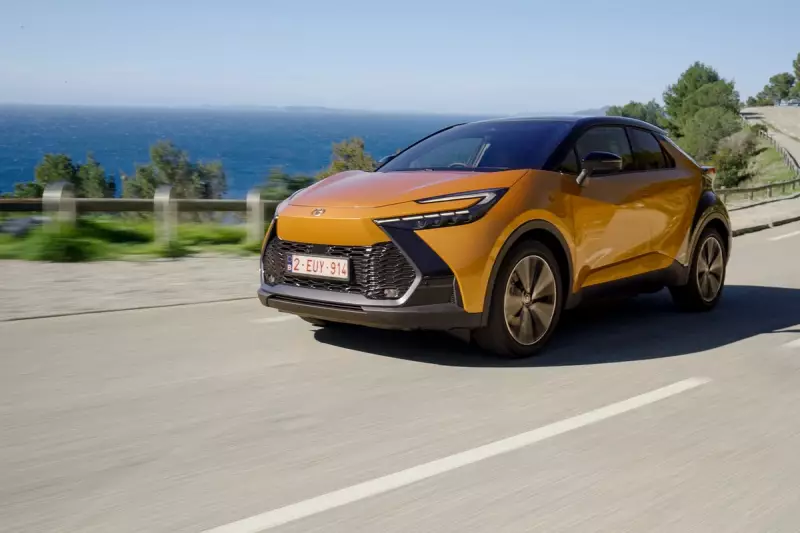
In the crowded crossover market, the Toyota C-HR Plug-in Hybrid makes a statement you cannot ignore. This distinctive model blends vibrant, concept-car-like styling with Toyota's renowned reliability and efficient plug-in hybrid technology. However, our in-depth review reveals that this bold design comes at a cost to practicality, while its price tag ventures firmly into premium territory.
Driving Experience and Hybrid Performance
The heart of the C-HR Plug-in Hybrid is a 2.0-litre petrol engine paired with an electric motor, delivering a combined 223hp. This setup provides sprightly acceleration, achieving 0-62mph in just 7.2 seconds. The car offers a claimed 41-mile electric-only range from its 13.6kWh battery, sufficient for many daily commutes without using a drop of petrol.
Refinement is excellent in EV mode, though the engine can become vocal when pushed hard, a trait accentuated by the CVT automatic gearbox. The ride is supple, especially on models with smaller wheels, offering a comfortable and secure, if not thrilling, driving experience. Charging the battery from empty takes around two-and-a-half hours using a 7kW home wallbox, but the car lacks DC rapid charging capability.

Interior Space and Practicality Compromises
Up front, drivers enjoy a high, commanding seating position and good visibility. The cabin is well-built with a logical layout, featuring a full-width 12.3-inch touchscreen with wireless Apple CarPlay and Android Auto. Toyota's confidence in build quality is underscored by warranties of up to 10 years on the vehicle and 15 years on the plug-in hybrid battery, provided servicing is done annually at a Toyota dealer.
However, the radical exterior design significantly impacts interior space. Rear-seat passengers face tight legroom and headroom, exacerbated by small windows that create a claustrophobic feel. The boot is a major letdown, offering just 310 litres of space—less than a Volkswagen Polo supermini and down from the 388 litres in the regular hybrid C-HR. The high boot lip and lack of a rear wiper are further practical frustrations.
Technology and Running Costs
The Toyota C-HR Plug-in Hybrid is packed with clever tech. Its sat-nav features 'Predictive Efficient Drive', which can save battery charge to ensure pure-electric driving in future zero-emission zones. The Safe Exit Assist system warns occupants of approaching traffic when opening doors.
Financially, the model commands a premium. Prices start from £39,340, with only the entry-level Design trim dipping below the £40,000 expensive car supplement threshold. The range-topping GR Sport exceeds £44,000. While running costs can be low thanks to efficient EV driving, the initial outlay is steep compared to rivals like the Kia Niro Plug-in Hybrid.
In conclusion, the Toyota C-HR Plug-in Hybrid is a compelling package for those who prioritise head-turning design, impeccable build quality, and Toyota's legendary reliability. Its plug-in hybrid system is effective for cutting fuel costs. Yet, buyers must accept its significant compromises in rear passenger comfort and boot space, alongside a surprisingly premium price tag that places it among more practical and established competitors.