New analysis reveals a significant financial advantage for British electric vehicle owners, who are saving hundreds of pounds more each year than their counterparts in Germany.
Substantial Savings for UK Drivers
According to a study by the Energy & Climate Intelligence Unit (ECIU), UK EV owners are saving, on average, more than £1,500 annually by choosing an electric car over a petrol model. This figure is around £540 more than the average annual saving for electric car drivers in Germany, which stands at approximately £970.
The report, published on Thursday 4 December 2025, comes as electric vehicles account for more than one-in-five new car sales in the UK this year. The ECIU compared the ownership and running costs of a range of popular electric and petrol cars in both nations, highlighting the UK as one of Europe's best-value markets for EV adoption.

The Smart Meter Advantage
The key driver behind the greater British savings lies in energy infrastructure. While petrol prices are broadly similar in both countries, UK households benefit from widespread smart meter use and flexible electricity tariffs. This allows drivers to charge their vehicles overnight using cheap, surplus electricity at rates as low as 7p per kilowatt-hour (kWh).
Colin Walker, Head of Transport at the ECIU, explained the impact: "Thanks to smart net zero technology most drivers can charge on cheap electricity overnight while they’re asleep, allowing them to save hundreds of pounds a year more than the average German EV driver."
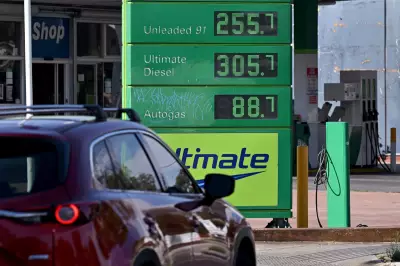
This translates to a running cost of under 2p per mile for a UK EV, compared to around 15p per mile for a petrol or diesel car. In contrast, Germany's limited smart meter rollout means flexible tariffs are not widely available. German EV owners typically pay around 29p per kWh for home charging, or just over 7p per mile.
Market Shifts and Policy Warnings
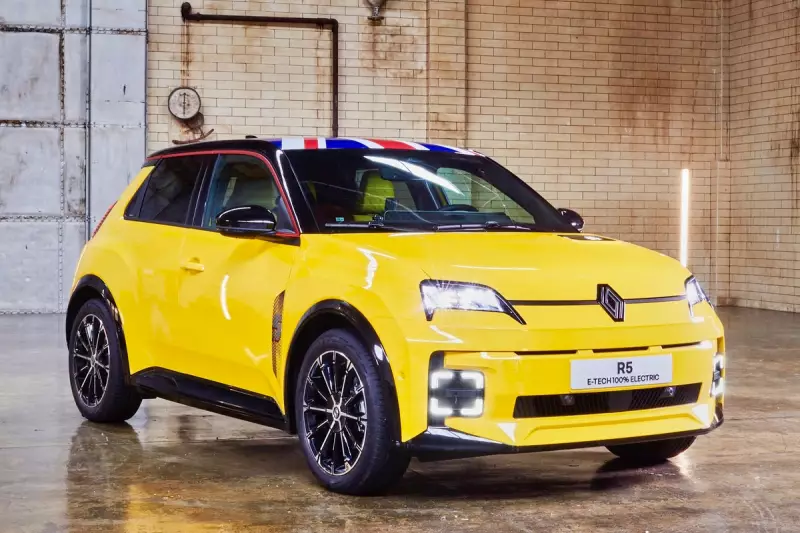
The analysis also notes the rapidly narrowing cost gap between new petrol and electric cars, aided by incentives like the government’s Electric Car Grant. For instance, the new Renault 5 E-Tech Electric starts at just £21,495 after the grant, making it £400 cheaper than the cheapest hybrid Renault Clio.
Similarly, in Germany, the entry-level Volkswagen ID.4 or ID.5 electric SUVs are now the equivalent of £1,085 cheaper than the petrol-powered Volkswagen Tiguan. However, Walker issued a caution regarding UK policy: "With the UK Government weakening its policy on EVs there’s a risk more people will get talked into buying hybrids, which recent research has found are typically even more polluting, and expensive to run, than previously thought."
From a German perspective, Adrien Pagano, Head of Transport at the Initiative Climateneutral Germany (IKND), commented on the findings: "This analysis highlights how much German drivers are missing out because our energy system has been too slow to modernise... If we want to boost the sales of electric cars, we must not only expand charging infrastructure but also unlock the benefits of smart charging."
The ECIU concludes that the UK's lead in smart charging technology is now delivering clear, tangible benefits, putting more money back into drivers' pockets and helping to accelerate the shift towards zero-emission motoring.