

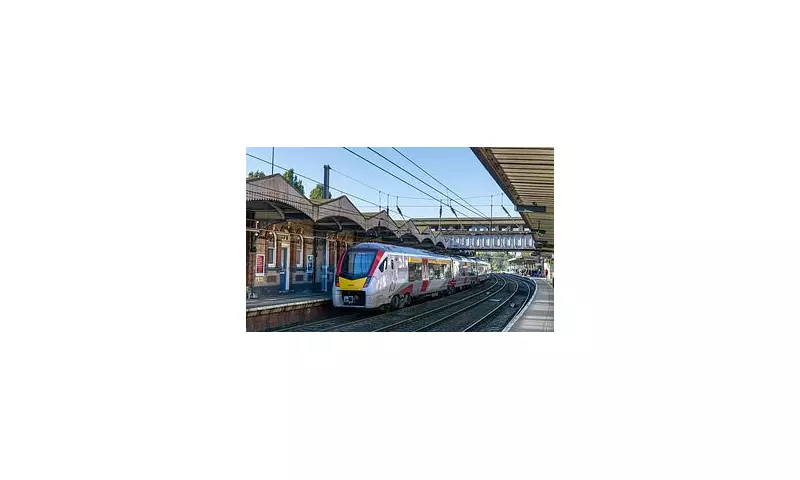
The recent shocking incident at Huntingdon railway station, where a man was brutally attacked with a machete, has raised urgent questions about security on Britain's railways. Yet despite public concern, implementing airport-style screening across the UK's sprawling rail network remains a logistical and practical impossibility, according to security experts.
The Scale of the Challenge
Britain's rail system presents unique security challenges that make comprehensive screening unworkable. With over 2,500 stations across England, Scotland, and Wales, and approximately 1.7 billion passenger journeys annually, the numbers alone make airport-level security measures impractical.
"The fundamental difference is that airports are controlled environments with limited access points," explains a former British Transport Police officer. "Rail stations are designed as open, accessible public spaces. Transforming them into fortresses would require rebuilding our entire railway infrastructure."

What Airport-Style Security Would Mean for Commuters
Imagine arriving at London Waterloo or Birmingham New Street two hours before your journey to navigate security queues. This would become the new reality if stringent airport measures were introduced. The impact on daily commuting and the economy would be devastating.
- Massive delays: Processing thousands of passengers during peak hours would create queues stretching beyond station boundaries
- Economic impact: The convenience of rail travel would be destroyed, affecting business travel and tourism
- Infrastructure costs: Retrofitting Victorian-era stations with screening facilities would require billions in investment
The Human Element: Why Visible Policing Matters
Rather than relying on technological solutions, security experts emphasise the importance of human presence. The British Transport Police's visible policing strategy, combined with sophisticated surveillance systems, represents a more practical approach to rail security.
"Technology can assist, but it cannot replace the intuition and rapid response capability of well-trained officers," notes a rail security consultant. "The Huntingdon incident was stopped by brave public intervention and swift police response - that's the model that works for rail environments."
Learning from International Examples
Countries that have attempted stricter rail security measures provide cautionary tales. Spain's high-speed AVE trains implement baggage screening, resulting in significantly longer boarding times. Israel's rail system employs intensive security, but at enormous financial cost that would be unsustainable for Britain's much larger network.
The consensus among security professionals is clear: while the Huntingdon attack was terrifying, it doesn't justify transforming Britain's open-access rail system into something resembling airport terminals. The balance between security and practicality must be maintained to preserve the essential nature of rail travel.






