Seventy-nine years ago, a gruesome discovery in Los Angeles ignited a media frenzy and spawned one of the most enduring unsolved mysteries in American criminal history. The brutal murder of Elizabeth Short, later dubbed the 'Black Dahlia', continues to haunt true crime enthusiasts and investigators to this day.
A Grisly Discovery in Leimert Park
On the morning of 15 January 1947, a passerby in the Leimert Park neighbourhood made a horrifying find in a vacant lot on South Norton Avenue. The body of a young woman had been posed with macabre precision. Elizabeth Short, just 22 years old, had been severed at the waist, drained of blood, and meticulously cleaned. Her lower half was placed near her torso, with her arms raised above her head and her legs spread apart.
The violence inflicted was extreme and surgical. The killer had cut her face from the corners of her mouth to her ears, creating a grotesque 'Glasgow smile'. Flesh had been removed from her thighs and breasts, and ligature marks on her wrists, neck, and ankles indicated she had been bound. An autopsy concluded she died from haemorrhage and shock due to the facial wounds and severe blows to her head, approximately ten hours before she was found.

A Mammoth Investigation and Media Circus
The Los Angeles Police Department launched one of its largest-ever manhunts, mobilising over 750 officers, 400 sheriff's deputies, and 250 California State Patrol personnel. They interrogated more than 150 potential suspects, including men who knew Short, but a lack of concrete evidence meant no charges were ever filed.
In the weeks following the murder, the case was seized upon by the press, who sensationalised Short's life and death. Nicknaming her the 'Black Dahlia', newspapers printed exaggerated accounts of her personal life and supposed sexual history. The media intrusion was so intense that journalists contacted Short's mother before she was officially notified of her daughter's death, deceitfully claiming Elizabeth had won a beauty contest to extract information.
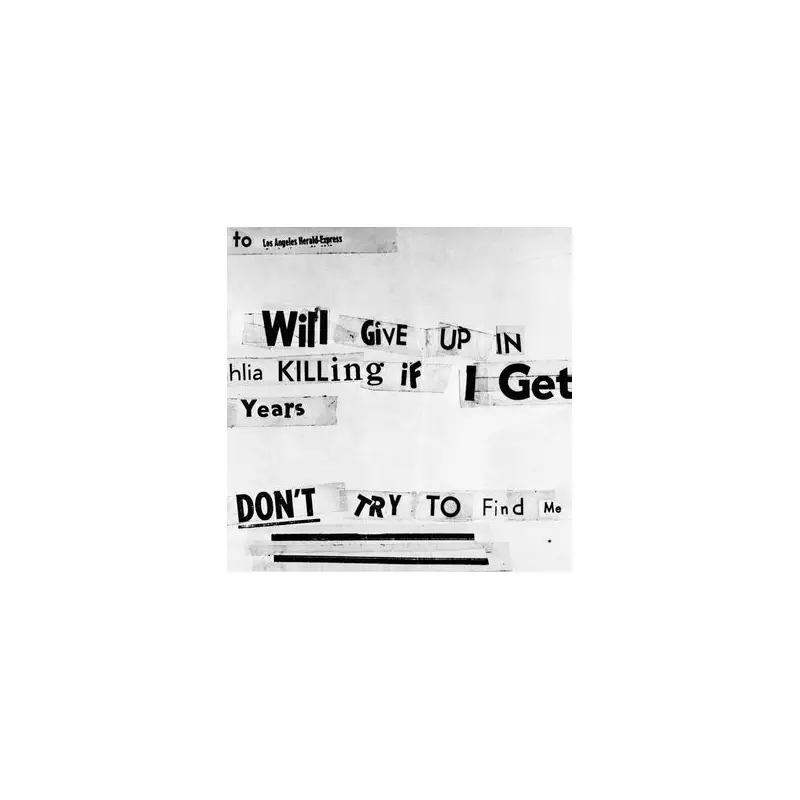
The killer, or a cruel hoaxer, added to the spectacle by sending taunting letters and packages to Los Angeles newspapers. One parcel sent to the Examiner contained Short's birth certificate, photographs, and an address book, all wiped with petrol. Handwritten notes promised more 'souvenirs' and a confession that never came.
A Lasting Legacy in Law and Culture
By February 1947, the investigation had effectively stalled. A 1949 grand jury criticised the LAPD for its 'investigative shortcomings'. Despite the tragedy, Short's death prompted tangible legal change. Just two weeks later, California became the first US state to propose a mandatory sex offender registry.
The story of the Black Dahlia has become deeply embedded in popular culture. It inspired James Ellroy's 1987 novel 'The Black Dahlia', which was adapted into a 2006 film. Short has been portrayed in numerous television series and documentaries, from American Horror Story to true crime specials. Elizabeth Short is buried at Mountain View Cemetery in Oakland, California, where her grave still draws visitors captivated by this chilling, unresolved chapter of history.