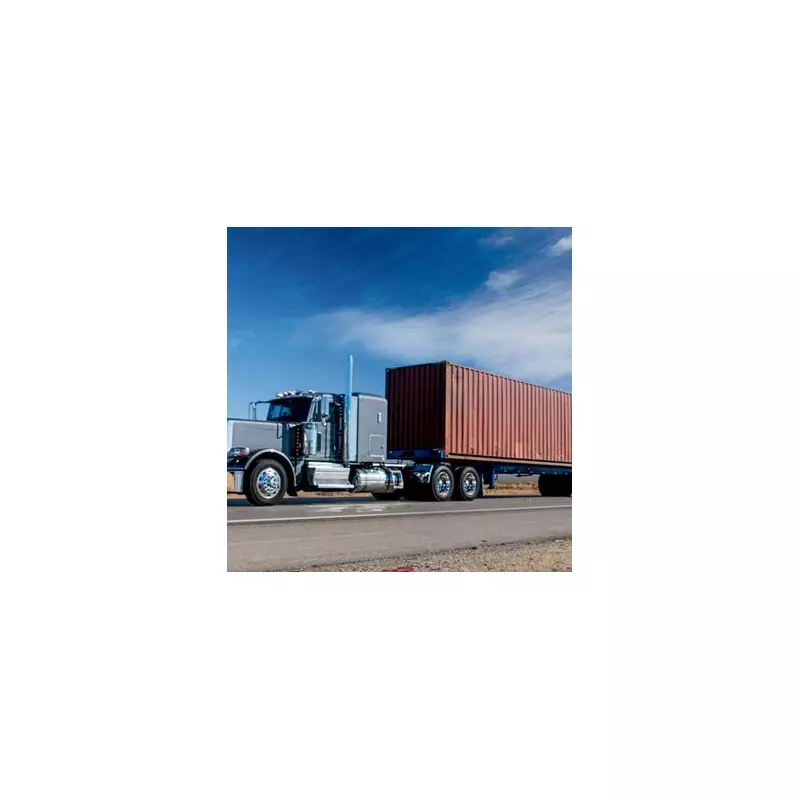
A lorry driver in the American state of Indiana was left utterly stunned after a routine vehicle check revealed a multi-million-pound surprise: ten unauthorised boxes containing a colossal shipment of cocaine.
Record Drug Haul Discovered During Routine Inspection
The incident unfolded at the Pilot Travel Centre truck stop in Whiteland, Indiana. The driver, preparing for a long journey, grew suspicious when he noticed the seal on his trailer had been tampered with. Upon opening it, he found that while none of his original cargo was missing, ten mysterious packages had been added.
He immediately contacted the police, who rushed to the scene. The boxes were found to contain nearly 160 kilograms of cocaine, with an estimated street value of $16 million, or approximately £12 million. This seizure marks the largest cocaine bust in Indiana's history.

Authorities have completely exonerated the lorry driver, confirming he had no involvement. As of now, no arrests have been made in connection with the incident, according to local radio station WXIN.
Police Chief's Dilemma: $16M of Cocaine on a Filing Cabinet
The sheer scale of the find created an immediate logistical headache for Whiteland Police. Chief Derek Cox explained the security dilemma to a town council meeting, revealing the drugs posed such a risk that he initially wanted to keep the bust quiet until it could be moved.
"I didn't want to bring this out, didn't want anyone to know about this until we're able to get it out of this building because we don't have proper storage," Cox stated. He vividly described the scene: "I had $16 million of cocaine sitting on a file cabinet [by] my head."
The police chief confirmed the drugs have since been incinerated. Safely destroying the illegal substances cost the local police force around $2,000 (just under £1,500).
A Growing Trend of Cargo Crime at Truck Stops
Chief Cox warned that this type of criminal exploitation of the freight transport network is a surging problem. He linked it to a wider trend of cargo theft and illicit activity targeting warehouses and transport hubs in the region.
"[Shipments] would be anything from drugs, potentially human trafficking, anything can come in and out of our truck stops," he said. "Franklin has had millions and millions of dollars worth of cargo thefts... and Greenwood is constantly working the same thing ... It's just a growing trend."
A significant factor enabling this crime wave is the lack of surveillance. "Trucks go in and out of those stops at any time that we have no idea what would be in those," Cox noted, praising the vigilant driver. "We just happened to have this guy be very vigilant and come across this and get a hold of us immediately."
The case highlights the ongoing challenges of securing vast logistics networks against organised crime, relying heavily on the diligence of individual drivers.