French Navy Seizes Major Cocaine Haul in Caribbean Amid Policy Shift
French Navy Seizes 678kg Cocaine in Caribbean Operation

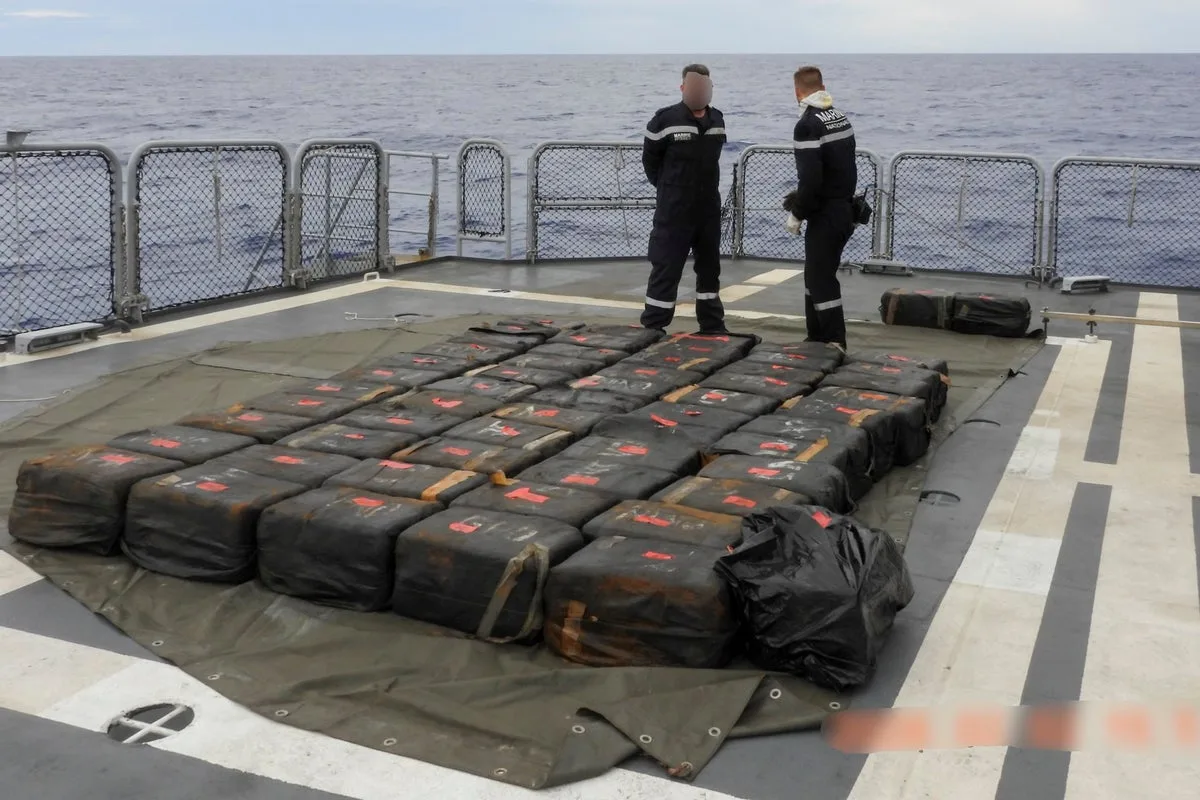
The French Navy has made a significant interdiction in the Caribbean, seizing approximately 678 kilograms of cocaine from a vessel, according to a statement from France's Armed Forces Minister, Catherine Vautrin. The operation underscores France's intensified efforts to combat international drug trafficking networks.

Major Seizure and Handover to Barbadian Authorities

In a post on social media platform X, Minister Vautrin confirmed that the illicit cargo was intercepted and subsequently handed over to the authorities in Barbados. This action aligns with broader collaborative initiatives involving the United States and other nations to disrupt drug smuggling routes in the region.

Separate Large-Scale Operation in French Polynesia

In a related development, French forces conducted another substantial seizure earlier this month. On February 2, a separate operation off the coast of French Polynesia resulted in the confiscation of 174 bales of cocaine, weighing an estimated 4.24 tonnes. These consecutive successes highlight the geographic reach of France's anti-narcotics campaigns.

France's Aggressive New Policy on Drug Trafficking

France, which maintains overseas territories in the Caribbean and Latin America, has been implementing a more assertive policy against drug trafficking in recent months. This strategic shift comes in response to escalating gang-related drug crime within France and across Europe.

The French Monitoring Centre for Drugs and Drug Addiction released a report in December revealing a notable trend: cocaine has now overtaken cannabis as the most prevalent illegal drug in France. This data has prompted heightened governmental action to address the growing threat.

International Diplomacy and Multi-Pronged Plans

During a diplomatic visit to Colombia, the world's largest producer of cocaine, France's Foreign Minister Jean-Noel Barrot unveiled a comprehensive, multi-pronged plan aimed at combating the surge in drug trafficking. The strategy targets not only Latin America and the Caribbean but also the increasing infiltration of narcotics into European markets.

Furthermore, Paris has been advocating for the establishment of a European Union sanctions regime specifically designed to tackle drug trafficking issues. This push for collective action reflects France's commitment to a coordinated international response.

The recent seizures by the French navy, coupled with these policy initiatives, demonstrate a robust and expanding effort to curb the flow of illegal drugs and address the associated social and security challenges.