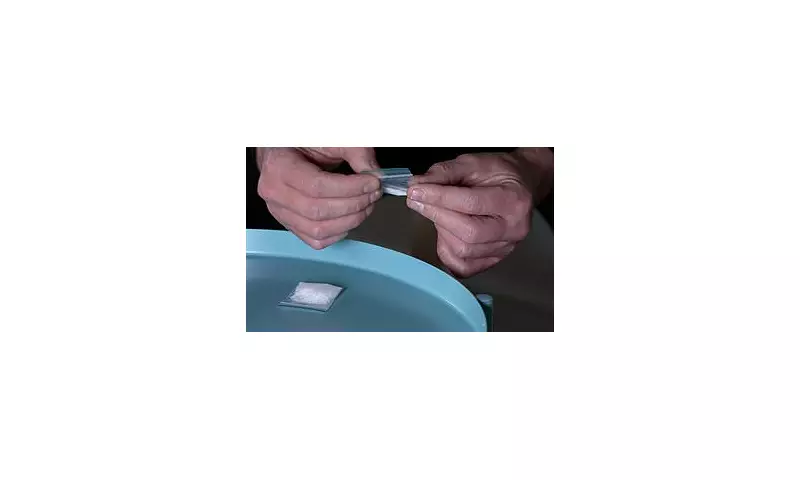
The penalties for possessing and dealing ketamine are set to remain unchanged, following a decision by the government's official drug advisers to reject calls for its reclassification to a Class A substance. This comes despite serious concerns raised by a coroner investigating the death of a user, who warned that the current classification could encourage dangerous misconceptions about the drug's safety.
Coroner's Warning Ignored in Classification Review
Home Office ministers had asked the Advisory Council on the Misuse of Drugs (ACMD) to consider upgrading ketamine from Class B to Class A, following a surge in its abuse to record levels across the United Kingdom. The expert review was launched after Greater Manchester South senior coroner Alison Mutch wrote to then Home Secretary Yvette Cooper in 2024, calling for a tougher approach.
Coroner Mutch had investigated the death of 38-year-old James Boland from Manchester, who died from sepsis caused by a kidney infection that she concluded was 'a complication of long-term use of ketamine'. In a formal prevention of future deaths report, she argued that maintaining ketamine as a Class B drug would be 'likely to encourage others to start to use it or continue to use it under the false impression it is "safer"'.

ACMD Rejects Tougher Classification
The ACMD has now concluded its review and firmly rejected reclassifying ketamine as a Class A substance, which would have placed it in the same category as heroin, crack cocaine, and cocaine. The council's report stated that 'reclassifying ketamine in isolation would unlikely reduce prevalence or misuse'.
A spokesman for the advisory body explained: 'Individuals with personal experience of ketamine use and harms who contributed to the review said they did not believe upgrading ketamine to Class A would reduce its use. Health and social care professionals similarly, largely, voiced opposition to reclassification.'
Current Penalties and What Could Have Changed
Under current legislation, dealing ketamine carries a maximum prison sentence of 14 years, while possession can result in up to five years' imprisonment. Had the drug been upgraded to Class A, these penalties would have increased significantly to life imprisonment for dealing and seven years for possession.
This marks the second time in just over a decade that ketamine's classification has been reviewed. The substance was upgraded from Class C to Class B in 2014, following similar concerns about its growing recreational use.
Alarming Rise in Ketamine Use
Government statistics reveal a dramatic increase in ketamine use over recent years, particularly among younger demographics. According to Office for National Statistics data:
- The number of 16- to 59-year-olds in England and Wales who reported ever having used ketamine rose from 837,000 in 2014-15 to 1.27 million in 2023-24
- Those admitting to using the drug within the previous month increased from 26,000 to 118,000 over the same period
- Among young people aged 16 to 24, the proportion who reported ever taking ketamine jumped from 2.3% in 2006-07 to 6.5% in 2023-24
In the year ending March 2023, an official study showed 299,000 people aged 16 to 59 admitted they had used ketamine during the previous 12 months, up from 117,000 a decade earlier and representing the highest level ever recorded.
Medical Background and Dangers of Ketamine
Ketamine, known to clubbers as 'K', 'Special K', or 'Vitamin K', is a legitimate medical and veterinary anaesthetic and painkiller. When used recreationally, it typically comes as a powder that is snorted, producing a relaxed and dream-like sensation.
However, the drug carries significant risks:

- Taking too much can cause temporary paralysis in what users term a 'k-hole'
- It can be fatal, especially when mixed with other drugs or alcohol
- Short-term effects can include heart problems and hallucinations
- Longer-term use can lead to memory loss, mental health problems, and organ damage
Government Response and Future Considerations
The then policing minister Dame Diana Johnson had asked the ACMD to review the drug in January last year, stating: 'Ketamine is an extremely dangerous substance and the recent rise in its use is deeply concerning. It is vital we are responding to all the latest evidence and advice to ensure people's safety and we will carefully consider the ACMD's recommendations before making any decision.'
A government spokesman has since responded to the ACMD's decision: 'We are grateful to the ACMD for publishing their assessment. We will now consider the report carefully and respond as a matter of priority.' Given that ministers usually follow the ACMD's advice, ketamine is now unlikely to be reclassified in the foreseeable future.
The debate around ketamine classification highlights the ongoing challenge facing policymakers in balancing public health concerns with evidence-based approaches to drug regulation, particularly as recreational use of the substance continues to reach unprecedented levels across the country.