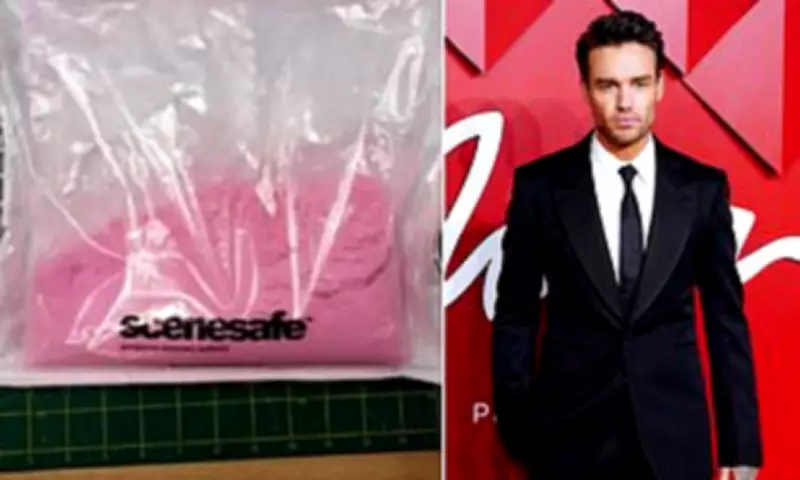
In a significant drug enforcement operation, Merseyside Police have confiscated a substantial haul of the dangerous synthetic substance known as 'pink cocaine,' which has been connected to the tragic death of former One Direction singer Liam Payne. The brightly coloured powder was discovered during a targeted raid in the Anfield area of Liverpool, alongside other illicit substances including ecstasy, heroin, and ketamine.
Police Intercept Suspected Drug Deal
Officers on patrol in Liverpool observed three individuals behaving suspiciously on Ayrshire Road at approximately 9:20 PM on Wednesday evening. Following what appeared to be a drug exchange, two of the men entered a van, prompting police intervention. Upon stopping the vehicle, authorities discovered multiple blue tablets believed to be Class A drugs along with a significant amount of cash.
Subsequent Search Uncovers Major Haul
The two suspects, aged 31 and 36, were immediately arrested on suspicion of possession with intent to supply Class A and B drugs, as well as possession of criminal property. Following their detention, police executed a search of a nearby residence, uncovering bags containing various powders including the suspected pink cocaine, white rocks of unknown composition, eight mobile phones, precision scales, and additional cash. An electric bicycle and scooter were also seized during the operation.

Understanding 'Pink Cocaine'
Despite its misleading name, pink cocaine typically contains no actual cocaine. Instead, it represents a hazardous cocktail of psychoactive substances, most commonly including MDMA, ketamine, and amphetamines. The distinctive pink coloration results from food dye added to the mixture, serving both to differentiate it from other drugs and enhance its visual appeal in party environments.
Connection to Liam Payne's Death
This synthetic drug gained international notoriety following reports that Liam Payne had traces of the substance in his system when he fell to his death from a hotel balcony in Buenos Aires in October 2024. The 31-year-old former One Direction member died from multiple traumatic injuries and hemorrhaging after plunging from the third floor of the Casa Sur Palermo Hotel.
Preliminary toxicology results indicated the presence of multiple substances in Payne's system, including cocaine, benzodiazepine, crack cocaine, and pink cocaine. An improvised aluminum drug pipe was also discovered in his hotel room. While Argentine authorities dropped criminal negligence charges against three individuals connected to the case in February, the incident highlighted the dangers of this synthetic drug mixture.
Quantifying the Seizure
Police estimate the operation removed approximately 2 kilograms each of ketamine, heroin, and cocaine from circulation, along with roughly half a kilogram of the pink powder substance. The two arrested men remain in police custody awaiting formal questioning as the investigation continues.
Police Statement on Community Impact
Inspector Chris Taylor emphasized the broader consequences of drug dealing, stating: 'Drug dealing represents a blight upon our communities that negatively impacts residents and workers alike, creating misery for families and frequently involving the exploitation of vulnerable individuals. Those engaged in organized criminal activity demonstrate concern only for themselves, driven by criminal intent and greed.'
Taylor further highlighted the importance of community cooperation: 'Information provided by the public remains absolutely vital for dismantling the organized crime groups that bring suffering to our streets. We strongly encourage people to continue coming forward with information and intelligence, whether directly to police or anonymously through Crimestoppers, so we can take appropriate action.'
The seizure represents a significant disruption to local drug supply networks, particularly concerning the synthetic 'pink cocaine' that has gained dangerous popularity in recent years. The connection to a high-profile celebrity death underscores the potentially fatal consequences of these synthetic drug mixtures, which continue to pose serious challenges for law enforcement and public health authorities nationwide.