In a remarkable twist for criminal investigations, the most unwelcome houseguests—bed bugs—are emerging as unlikely but potent forensic tools. New research reveals these blood-sucking insects can retain traces of human DNA for weeks, potentially linking suspects to crime scenes in ways previously unimaginable.
The Unlikely Spy: Bed Bugs as DNA Banks
Led by entomologist Associate Professor Dr Abdul Hafiz Ab Majid and researcher Lim Li, a team at The Science University of Malaysia spent ten years studying the forensic potential of common tropical bed bugs. Their groundbreaking discovery shows these insects can preserve human DNA in their gut for up to 45 days after feeding.
In some instances, the retained genetic material provided enough information to determine an individual's hair, skin, and eye colour. Dr Hafiz poetically terms them "musuh dalam selimut"—Malay for 'the enemy in the blanket'—but adds they can also act as spies to help solve crimes.

Although this specific evidence isn't yet admissible in court, investigators hope that soon, bed bugs hiding in soft furnishings could help piece together a full offender profile, acting as silent, unexpected witnesses.
Nature's Crime Scene Investigators
Bed bugs are far from alone in assisting forensic science. According to forensic anthropologist Annie Robinson, insects are present at most crime scenes and can even infiltrate sealed areas, making them perfect hidden detectives.
Mosquitoes: Tiny Blood Banks
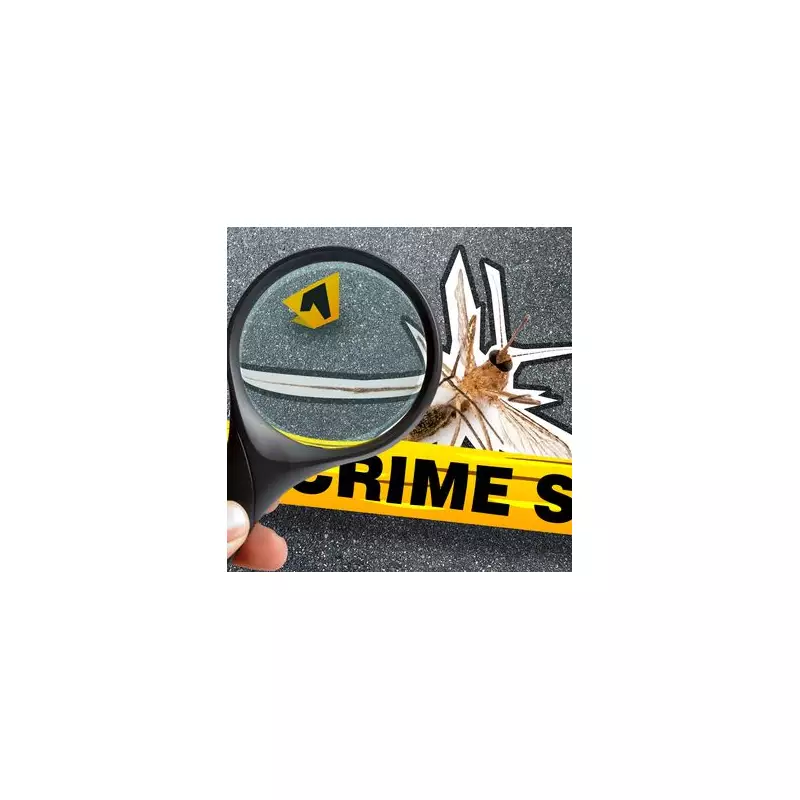
Often seen as mere pests, mosquitoes become valuable evidence carriers when they feed. They draw and store a victim's blood, and with modern DNA analysis requiring only minuscule amounts, this can be enough for a match. "We only need such a small amount of DNA now to get a match," Robinson confirms.
Maggots: The Biological Clock
Maggots have long been forensic staples, providing crucial timestamps for death. Flies are drawn to decomposing bodies within minutes, and their larvae develop in predictable stages. By analysing these insects, specialists can estimate the post-mortem interval—the time since death.
This technique famously helped secure a conviction in the 1935 'Jigsaw Murders' in Scotland. Dr Buck Ruxton murdered his wife and housemaid, but the age of bluebottle maggots on the bodies established a timeline that dismantled his alibi, leading to his conviction long before DNA testing existed.
Insect Remains: Silent Journey Logs
When vehicles travel, insects collide with them, leaving remains that can pinpoint locations. This was pivotal in the 2003 US case against Vincent Brothers. He claimed his rental car stayed near an airport, but entomologist Dr Lynn Kimsey found insect species on the radiator and air filter proving the car had travelled across multiple regions, contradicting his alibi.
Domestic Detectives: Pets That Crack Cases
Insects aren't the only unexpected forensic aides. Household animals also play a role through the fundamental Lockhart’s principle: every contact leaves a trace.
In 1994, during the investigation into the murder of Shirley Duguay in Canada, police found a blood-stained jacket covered in white cat hairs. The victim's estranged husband owned a white cat named Snowball. DNA from the cat matched the hairs, helping convict Douglas Beamish in the world's first use of non-human DNA in a criminal court.
Sometimes, animals provide behavioural evidence. In a Michigan murder case, an African grey parrot called Bud began repeating phrases believed to echo its owner Martin Duram's final moments during a struggle. This helped investigators identify his ex-wife, Glenna Duram, as a suspect, leading to her conviction for first-degree murder, although the parrot's testimony wasn't used directly in court.
The evidence is clear: from the bed bug in the blanket to the family pet on the sofa, creatures we live alongside are becoming formidable, often overlooked, partners in forensic science, solving crimes and delivering justice.