Holocaust Survivor Marcel Ladenheim Breaks Silence to Confront Denial and Rising Hate
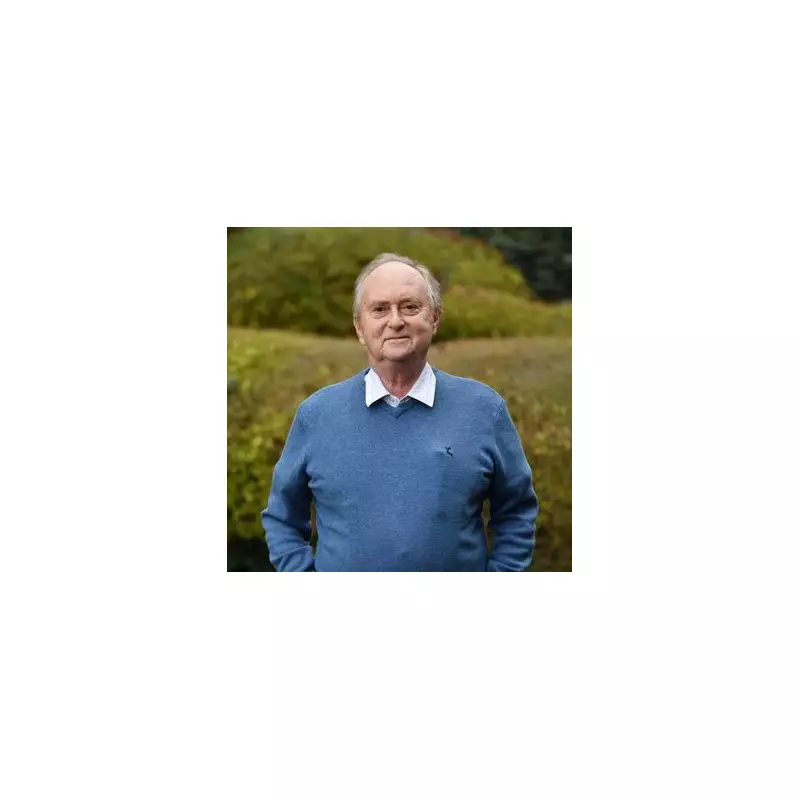
For decades, Marcel Ladenheim chose to keep the painful memories of the Holocaust locked away, not seeking sympathy for the horrors that tore his family apart. However, the emergence of Holocaust denial spurred the 86-year-old into action, compelling him to share his story as a vital bridge between generations. This year's Holocaust Memorial Day, with its theme of connecting ages, finds a powerful voice in Marcel, who now speaks out to ensure history is neither forgotten nor distorted.
A Childhood Shattered by War and Loss
Marcel was born in Paris in 1939 to Austrian Jewish parents who had fled the Nazi annexation of Austria. His early years were marked by terror after the German army entered Paris in June 1940. In May 1941, his father, Julius Ladenheim, was arrested by French police and sent to the Beaune-la-Rolande internment camp. After four years there, Julius was transported to Auschwitz-Birkenau, the largest Nazi concentration camp, from which he never returned. Marcel's grandfather also perished in the Holocaust, leaving the family devastated.
"I retired about 20 years ago when there was a lot of talk about Holocaust denial," Marcel told the Mirror. "I thought 'if there was no Holocaust, I wonder what happened to my father and grandfather?' It became extremely important to tell my story before I died." He emphasises that over one million Jewish children, including 11,400 French Jewish children, were murdered, a tragedy that still moves him deeply.

Hidden from Nazis: A Mother's Sacrifice and Rescue by Brave Women
With his father gone, Marcel was left with his pregnant mother, Jetti Blecher. Desperate to avoid deportation, they went into hiding, narrowly escaping the Velodrome D'Hiver round-up in 1942, the largest French deportation of Jews during the war. The stress of this ordeal led to Jetti being institutionalised, leaving two-year-old Marcel vulnerable.
He was then hidden by two courageous sisters, Olga and Esther Masoli, in Paris. Marcel recalls happy moments with them, including joyous Christmases with toy soldiers and cars. "I have to emphasise - I was saved by two brave ladies in Paris," he says. "When I knocked on their door as a four-year-old they took me in and were prepared to take the risk. Some people took the risk and others didn't - one of the reasons I'm talking to schools is so these ladies are remembered."
Marcel was separated from his brother during this time but reunited with him after the war. Tragically, his mother never recovered from the trauma and was unable to care for her sons. In 1948, Marcel and his brother moved to Manchester to live with an aunt, a period he describes as unhappy, marked by a cold family distance and antisemitic slurs at school.
Building a Life Amidst Prejudice
Despite these challenges, Marcel's life improved when he studied dentistry at Manchester University and worked until his retirement in 2002. While he faced antisemitic name-calling in school during the 1950s, university was largely free of such issues, though he later encountered inappropriate comments from colleagues in his dental practice.
Today, Marcel lives peacefully in Surbiton, near London, with his wife, Bobbie. He notes that personally, he hasn't felt threatened in recent years, but his outlook for the Jewish community is grim. "Since I went to school in the 1950s, where I was called antisemitic slurs, things have got worse - especially since October 7," he states. "I was born into antisemitism and I think I’m going to die with antisemitism around me."
A Stark Warning for the Future
Marcel expresses deep concern for his children and grandchildren, fearing an "element of danger" approaching them. He points to incidents like the antisemitic terror attack on Bondi Beach in Australia and the deaths at a Manchester synagogue during Yom Kippur as signs of escalating hate. "It's just the tip of the iceberg. It's going to get worse before it gets better," he warns.

Reflecting on history, he adds, "It happened to civilised, educated people in the 1940s - it will happen again." This fear has led him to take precautions, such as covering his prayer scroll when visiting the synagogue and avoiding wearing Hebrew-inscribed clothing in public. "I wouldn’t dare run around London in that. Someone will run up to me and insult me - it isn’t fair and it isn’t right and it is only going to get worse," he laments.
Despite the bleak picture, Marcel acknowledges the kindness he has received in England, benefiting from free education and building a successful life. Yet, his story serves as a poignant reminder of the enduring scars of the Holocaust and the urgent need to combat antisemitism, ensuring that future generations learn from the past to build a more tolerant world.