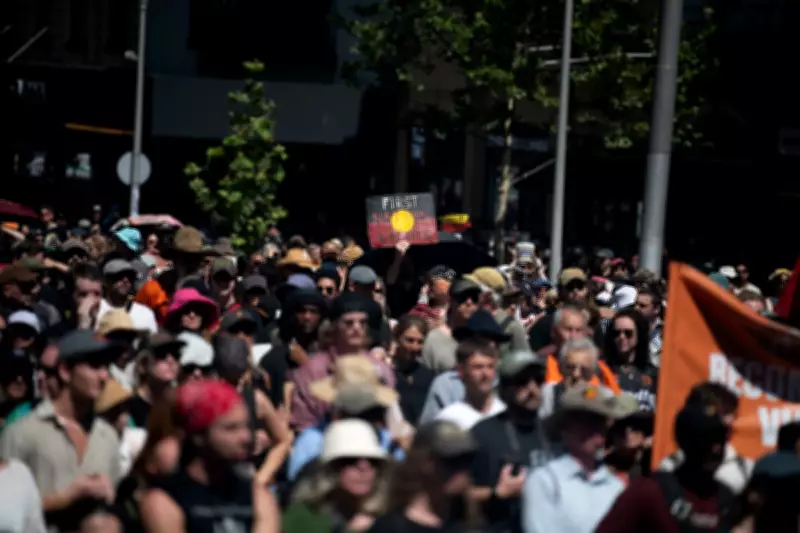
First Nations communities across Australia are grappling with profound anger and hurt following a terrifying incident in Boorloo Perth, where a man threw a fragment bomb into a crowd of peaceful protesters on 26 January. This date, known as the National Day of Mourning for Indigenous peoples, saw families gather with elders, babies in arms, and toddlers in prams, only to face a violent attack that has been condemned as a hate crime.
Details of the Bombing Incident and Initial Response
The Western Australian police confirmed that the device contained screws and ball-bearings, designed to cause maximum damage through shrapnel. Fortunately, due to what appears to be the bomb-maker's incompetence, it failed to explode. The man was arrested on site and initially charged with unlawful acts and explosives possession, but critics argued these charges minimised the severity of the event.
It took nine days of sustained pressure from Indigenous leaders, independent media, and allies for authorities to upgrade the charges. On 5 February, a press conference led by Western Australian Premier Roger Cook, Police Commissioner Col Blanch, and others announced a terrorism charge—the first of its kind in WA—alleging the attack was motivated by racist ideology.

Systemic Racism and Official Denial
Indigenous communities have expressed frustration over what they perceive as official denial and minimisation. Independent Senator Lidia Thorpe highlighted "double standards" in the response, noting a lack of urgency and empathy compared to other incidents. She successfully moved a Senate motion condemning the act as "horrific, overt hate and racism."
The late sociologist Stanley Cohen's insights into state denial resonate here, with many pointing to Australia's history of colonial violence—including land theft, massacres, and forced assimilation—as a backdrop to current racist threats. The attack on a day symbolising Indigenous survival and resilience is seen as a direct strike at the heart of these communities.
Broader Context of Rising Racist Violence
This incident is not isolated. In August last year, a neo-Nazi group led by Thomas Sewell attacked Camp Sovereignty in Naarm Melbourne, injuring four people. Indigenous advocates warn that racist violence has escalated, particularly after the failed referendum on an Indigenous voice to parliament.
Aboriginal and Torres Strait Islander Social Justice Commissioner Katie Kiss has noted that online hatred against Indigenous people is "so visible, so constant," yet the National Anti-Racism Framework from 2024 remains unimplemented. Rally organisers in Perth are now calling for the federal government to expand antisemitism inquiry terms to cover all forms of racism and far-right extremism.
Calls for Government Action and Community Resilience
Authorities have pledged support, with politicians stating "we stand with you," but Indigenous leaders argue it's past time for concrete measures. They emphasise the vulnerability of their communities to radicalised public violence and demand urgent implementation of anti-racism policies.
As Thorpe reflected in parliament, the bomb's failure to detonate is attributed by elders to ancestral protection during ceremony. This event underscores the ongoing struggle against systemic racism and the need for a unified national response to ensure safety and justice for all Australians.