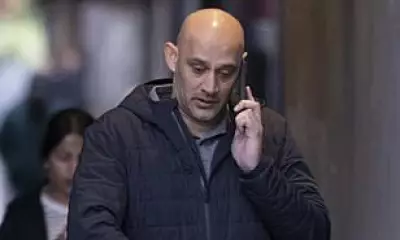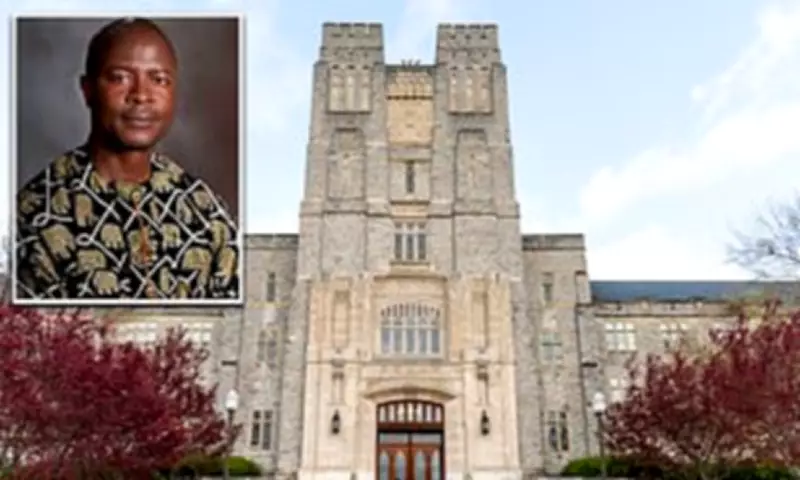
A sociology professor at Virginia Tech claimed he was targeted in a racially motivated attack outside his home, only for law enforcement to determine the incident involved juveniles simply attempting to clear snow from their vehicle. Dr Onwubiko Agozino reported the alleged assault to authorities on February 10, describing a group of young white men who stopped their trucks near his Christiansburg residence while playing loud music and pushing snow and ice from a truck bed.
Allegations of Racial Aggression
Dr Agozino asserted that the music played was racially charged and that blocks of ice had been deliberately hurled onto his property in an act of racial aggression. The local progressive group New River Valley Indivisible amplified these claims in a Facebook statement, condemning what they labeled a racist attack. The organization alleged the young men parked in front of the professor's home, unleashed racial slurs including the N-word, and threw ice bricks to block his driveway.
Police Investigation Findings
Following a thorough investigation that included interviews with those involved and a third-party witness, the town of Christiansburg announced that investigators found no evidence the stop was racially motivated or intended to target Dr Agozino. Police clarified that the juveniles had been attending a gathering at a nearby home and pulled over at a flat section of the road to clear frozen snow and ice from a truck bed that couldn't be fully removed earlier due to the vehicle's angle.

The town's statement emphasized: "There have been incorrect reports that this may have been a targeted incident toward a specific residence or person based on racial bias." Authorities concluded there was no criminal intent or racial bias involved in the snow-clearing activity.
Professor's Disagreement with Conclusions
Dr Agozino expressed disagreement with the police department's findings, questioning whether intent should be the sole determining factor in such cases. He argued that reckless or unreasonable behavior threatening to individuals constitutes a breach of law even without specific intent to harm. The professor noted that police increased patrols near his home following his complaint to prevent potential escalation.
Additionally, Dr Agozino described a second incident the following day when one of the trucks allegedly parked near his mailbox for approximately twenty minutes before departing. He voiced concern that the police statement dismissing hate crime evidence might inadvertently embolden the suspects involved in the original encounter.
Community and Institutional Response
The case highlights tensions between individual perceptions of racial targeting and official law enforcement determinations. While activist groups called for criminal and civil action based on hate crime allegations, police maintained their investigation revealed no substantiation of racial motivation. This discrepancy between community advocacy and police conclusions underscores ongoing challenges in addressing racial incidents and hate crime allegations within communities.