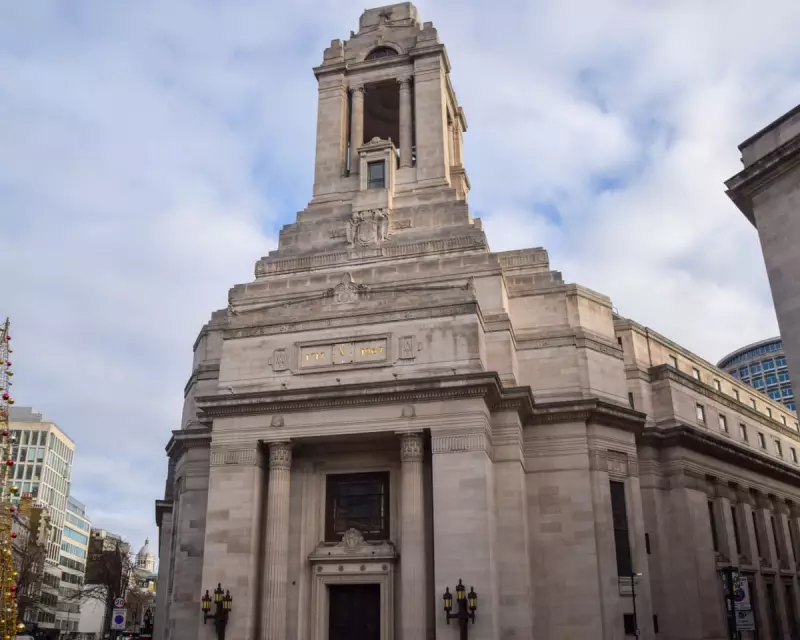
More than 300 officers and staff within the Metropolitan Police have disclosed their membership of organisations like the Freemasons, following a contentious new policy mandating such declarations. The figure emerged during a high court hearing where Masonic groups are seeking to block the rule, claiming it amounts to religious discrimination.
Legal Battle Over Police Transparency
The United Grand Lodge of England (UGLE), alongside other Masonic bodies, has launched legal action against the Met, seeking an injunction. They argue the policy breaches human rights and data privacy laws. Mr Justice Chamberlain is considering the request for an interim injunction, with a decision expected this week.
The judge noted in a ruling that over 300 individuals had already complied, reducing the immediate need for urgent court action. He also revealed the Met has agreed to consider representations from the Masonic groups before potentially withdrawing the policy.

The Met's Stance on Trust and Impartiality
The Metropolitan Police introduced the policy last month, ordering all officers and staff to declare any past or present involvement with groups that are hierarchical, have confidential membership, and require mutual support. The force defends the move as a crucial step to rebuild public trust and ensure perceived impartiality.
A Met survey cited in court indicated that two-thirds of its personnel support the restriction, believing membership in such societies affects public perception. The policy is also viewed as part of efforts to address historical claims, including an ongoing investigation into alleged masonic influence and wrongdoing.
Freemasons' Counter-Arguments
The Freemasons strongly contest the policy. Represented by bodies including the Order of Women Freemasons and the Honourable Fraternity of Ancient Freemasons, they argue it discriminates against members who are required to hold a religious faith. They also claim the Met's internal survey was flawed, with only 5% of staff participating.
Adrian Marsh, Grand Secretary of UGLE, clarified that one applicant in the case is a serving Met officer. He denied this officer had publicly identified as a Mason, contradicting the Met's claim that the individual's involvement was revealed on social media.
The court will also decide whether a fourth claimant, known under the cipher FSK, can retain anonymity, given the Met's assertions about their public profile.
The outcome of this legal challenge will set a significant precedent for balancing police transparency with the right to private association, as the Met continues its drive to restore credibility.