AI Facial Recognition: How UK Police Use Live Tech and Privacy Concerns
AI Facial Recognition: UK Police Use and Privacy Fears

The Labour government considers facial recognition technology "the biggest breakthrough for catching criminals since DNA matching." It aims for all police forces to adopt it and recently announced 40 new vans equipped with live facial recognition (LFR) cameras for deployment in town centres across England and Wales.

How Does Live Facial Recognition Work?

The simplest systems compare faces captured on CCTV, mobile phones, dashcams, social media, and doorbell cameras against mugshots on the police national database. The technology superimposes images, measuring angles and distances between facial landmarks like eyes, moles, and scars to perform a data-based check. This retrospective facial recognition is used during investigations and is available to all forces in England and Wales.

Live Surveillance in Town Centres

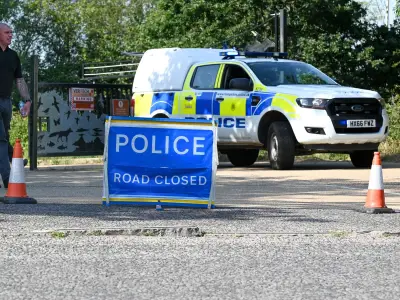
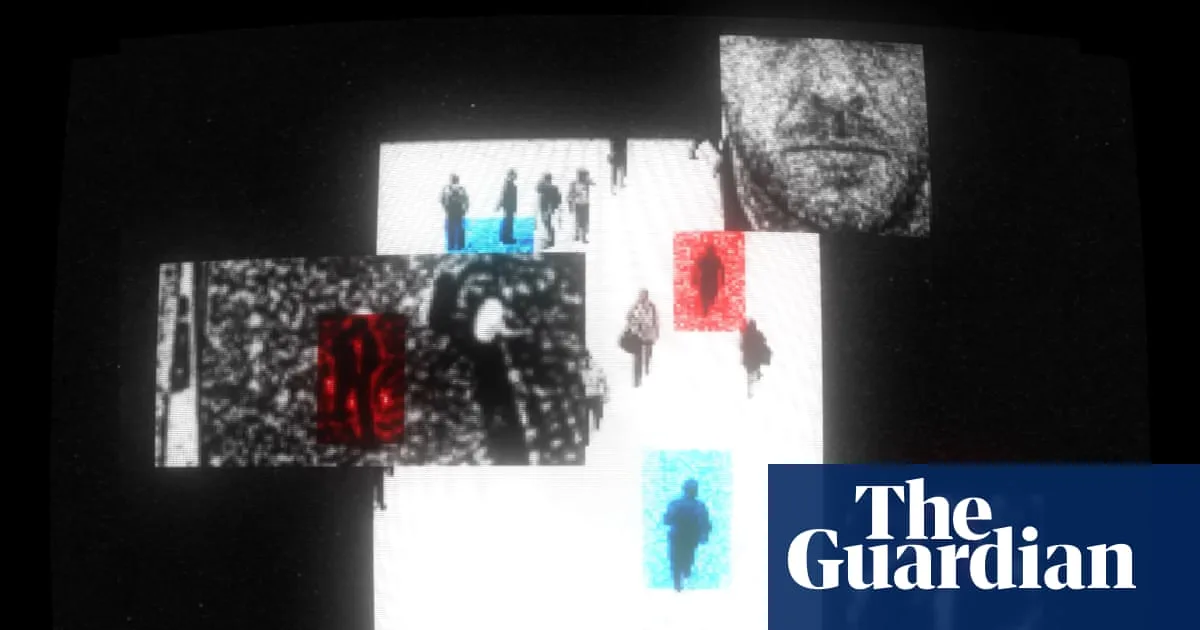
LFR technology allows police to scan every passing face, capture biometric data, and use AI-powered software at a remote operations centre to compare it in real time with watchlists of wanted individuals or those on probation. Some cameras are mounted on marked police vans, while trials are underway with cameras fixed to lamp-posts.

Wide Pickt banner — collaborative shopping lists app for Telegram, phone mockup with grocery list

How Police Use Live Information

If a match occurs, the suspect's photo, name, and alleged crime are sent to officers near the cameras. They must instantly judge the match and, if accurate, apprehend the person. Cameras are typically active for three- to four-hour spells in busy town centres and at large events.

What Happens to Unmatched Images?

Faces not matched to a watchlist are permanently deleted from the police system. This applies to nearly every scan. For instance, the British Grand Prix at Silverstone since 2023 saw nearly one million faces scanned over a few days by Northamptonshire police, with zero alerts triggered.

Which UK Police Forces Use Live Facial Recognition?

Thirteen police forces in England and Wales have or are using LFR. The Metropolitan Police in London is the biggest user, starting in 2020. Since April 2023, over 6.6 million faces have been scanned. In 2026 so far, 1.7 million scans led to 44 arrests. Other forces include South Wales (over 230,000 scans in early 2025, 10 matches, 5 arrests), Essex (2.2 million scans, 117 arrests in 2024-2025), Surrey (60,000 scans, 2 arrests in 2026), and Leicestershire, North Wales, Hampshire, Isle of Wight, Bedfordshire, Suffolk, Greater Manchester, West Yorkshire, and Sussex.

Racial Bias Concerns

Historically, the technology has made more errors with minority ethnic backgrounds. One early study showed no errors for light-skinned males but errors in one in five cases for dark-skinned females. A March study of Essex police found about half of watchlist individuals were correctly identified, with incorrect identifications extremely rare. However, the system was more likely to correctly identify men than women and "statistically significantly more likely to correctly identify black participants than participants from other ethnic groups." Research by the London Assembly revealed that over one recent year, more than half of LFR deployments occurred in areas with higher proportions of black residents than the London average.

Oversight and Regulation

Police face scrutiny from bodies including the Information Commissioner, Equality and Human Rights Commission, courts, police and crime commissioners, the forensics regulator, investigatory powers commissioner, and biometrics and surveillance camera commissioners. The government is consulting on a new legal framework to address this scattered oversight.

Future Developments

The number of faces scanned weekly is expected to rise. Police Scotland, which does not currently use LFR, plans to start. Operator-initiated facial recognition will allow police to use phones to scan faces when subjects refuse to provide details, are unconscious, incapacitated, or deceased. The next frontier could involve cameras analyzing body movements for behaviours like loitering or aggressive postures, or even facial expressions to infer emotional states. The government's consultation asks whether such technology should be covered by a new legal framework.

Pickt after-article banner — collaborative shopping lists app with family illustration